



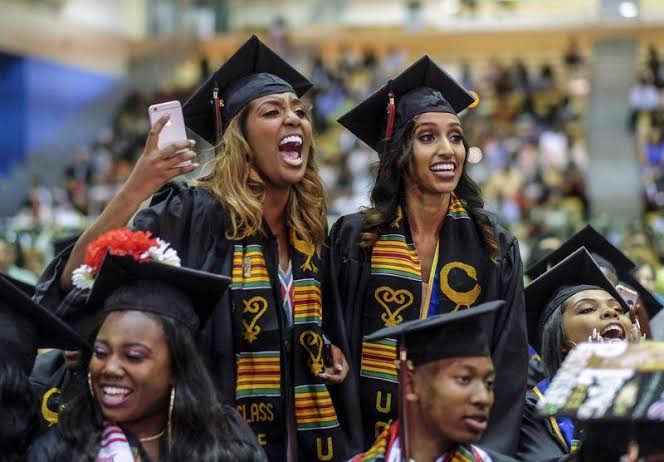
International students hoping to build careers in the United States could soon face a far tighter timeline after the Trump administration introduced sweeping changes to student and exchange visitor visa regulations.
Under the new policy, the grace period for foreign students after completing their studies has been reduced from 60 days to just 30 days.
This means graduates on F-1 student visas will have only one month to secure employment, obtain another legal immigration status, or leave the country to avoid falling out of status.
The reforms also introduce a general four-year limit for F student and J exchange visitor visas, replacing the previous system that often allowed longer stays based on the duration of an academic program.
Media representatives entering the U.S. on I visas will also face stricter limits, with their authorised stay reduced to 240 days unless an extension is approved. Chinese journalists will face an even shorter maximum stay of 90 days.
Graduate students will also encounter tighter restrictions on changing academic programs or transferring to another institution, with prior government authorisation now required before such changes can be made.
The policy has drawn criticism from immigration advocates, who argue the shortened post-graduation window will make it significantly harder for international students to transition into the U.S. workforce.
David J. Bier, Director of Immigration Studies at the Cato Institute, told Reuters that many students who have spent years studying in America will now have just 30 days to find an employer willing to sponsor them or risk losing their legal status.
The U.S. Department of Homeland Security defended the changes, citing the growing number of temporary visitors entering the country.
The agency recorded more than 1.8 million student visas in 2024, alongside over 500,000 cultural exchange participants and more than 37,000 foreign journalists, saying the volume has increased the challenge of monitoring compliance.
Although the regulation remains subject to congressional review, it is expected to take effect 60 days after its publication in the Federal Register.
Source: Reports