



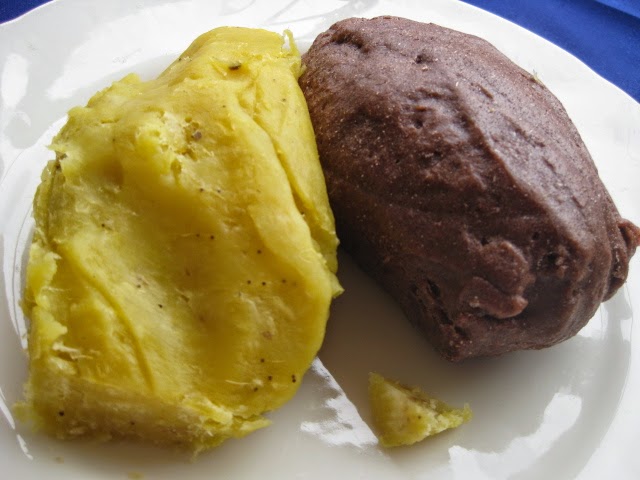
A recent study conducted by Makerere University researchers linking the consumption of staple foods matooke (green bananas) and kalo (millet bread) to a rise in diabetes cases in Uganda has triggered a fierce public backlash, with widespread calls to investigate both the university and the funders of the controversial study.
The study, which has not yet been peer-reviewed, claims that high and frequent consumption of matooke and kalo—two foods central to Ugandan culture and diet—may be contributing to the rising cases of Type 2 diabetes, particularly in central and western Uganda.
According to the researchers, the findings were drawn from a sample study conducted over 18 months across five districts. “The glycemic load and frequency of intake of these traditional carbohydrates have been underestimated in public health campaigns,” the lead author reportedly stated during a closed-door workshop attended by a section of health professionals and nutritionists in Kampala.
But the claims have since been rubbished by health experts, cultural leaders, and thousands of Ugandans online who dismissed the report as “scientifically questionable,” “disrespectful,” and “an attack on our identity.”
“This is a reckless attempt to demonize our staple foods without robust evidence,” said Dr. Alice Namusoke, a nutritionist at Mulago Hospital. “We must distinguish between poor lifestyle choices and the cultural staples that have sustained generations.”
The backlash on social media has been swift and intense, with hashtags like #HandsOffMatooke, #DefendKalo, and #MakerereExplain trending across X (formerly Twitter), Facebook, and TikTok. Many users have posted humorous and sarcastic videos defending the foods, while others have accused the university of “selling out” to foreign funders pushing Western dietary agendas.
A group of lawmakers from western and central Uganda are now demanding a formal probe into the research, including a public disclosure of its funders, methodologies, and peer-review processes.
“This cannot go unchallenged. Makerere must explain how a food our grandparents ate daily without issues is suddenly a health risk,” said MP Joseph Ssewungu during a Wednesday press briefing. “We need a parliamentary committee to look into this.”
Makerere University has yet to release an official statement but insiders within the School of Public Health confirmed that senior officials were “reviewing the public response and assessing the appropriate communication strategy.”
The Ministry of Health often distances itself from policy recommendations based on unverified data.
As the storm rages on, many Ugandans continue to eat their beloved matooke and kalo — now not just with pride, but also with defiance.