



Media editors have been urged to take a more deliberate and consistent approach in reporting on Sexual and Reproductive Health and Rights (SRHR) to help combat misinformation, shape public understanding, and influence national development priorities.
This call was made during a breakfast workshop for editors organized by Akina Mama wa Afrika (AMwA) in partnership with the Health Journalists Network Uganda (HEJNU) and the SRHR Alliance on Tuesday at Fairway Hotel in Kampala.
The engagement brought together senior editors, health communicators, and civil society representatives to discuss how the media can strengthen coverage of SRHR issues within Uganda’s evolving socio-political context.
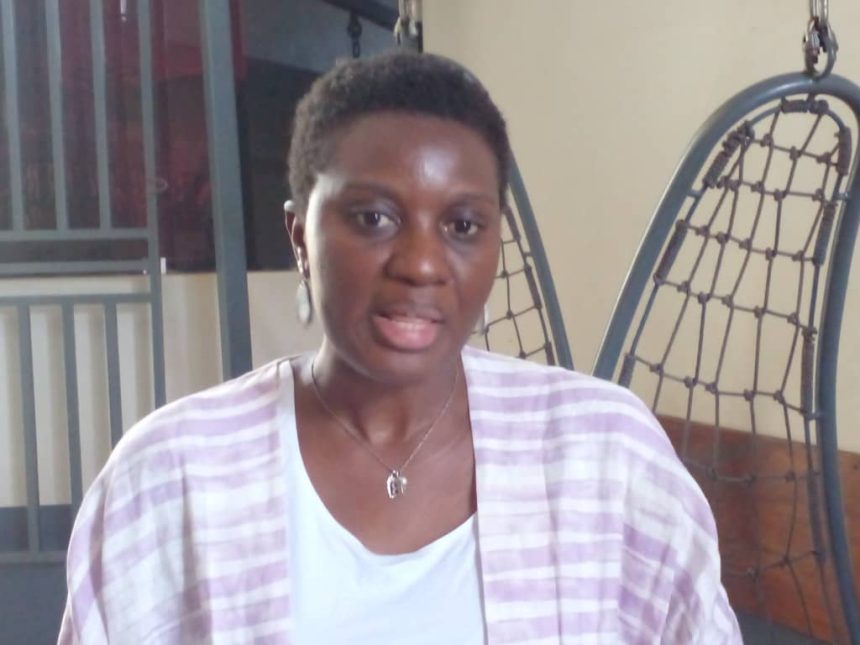
Speaking at the event, Buky Williams, the SRHR Program Officer at Akina Mama wa Afrika, emphasized that the media plays an indispensable role in shaping how Ugandans perceive and engage with sexual and reproductive health matters.
“We’ve realized over the years that the media often determines what becomes an important issue,” Williams said. “People cite the media when talking about SRHR. It determines whether something is viewed as an emerging crisis or a priority issue. That’s why we must work closely with editors, who ultimately decide what stories are told and how they’re framed.”
Williams explained that while AMwA has worked extensively with journalists, editors have often been left out of these critical discussions, yet they wield significant power in setting the tone and direction of coverage. “Editors shape headlines and influence how the public interprets the information we share. If they are not part of this conversation, we risk missing the bigger picture,” she added.
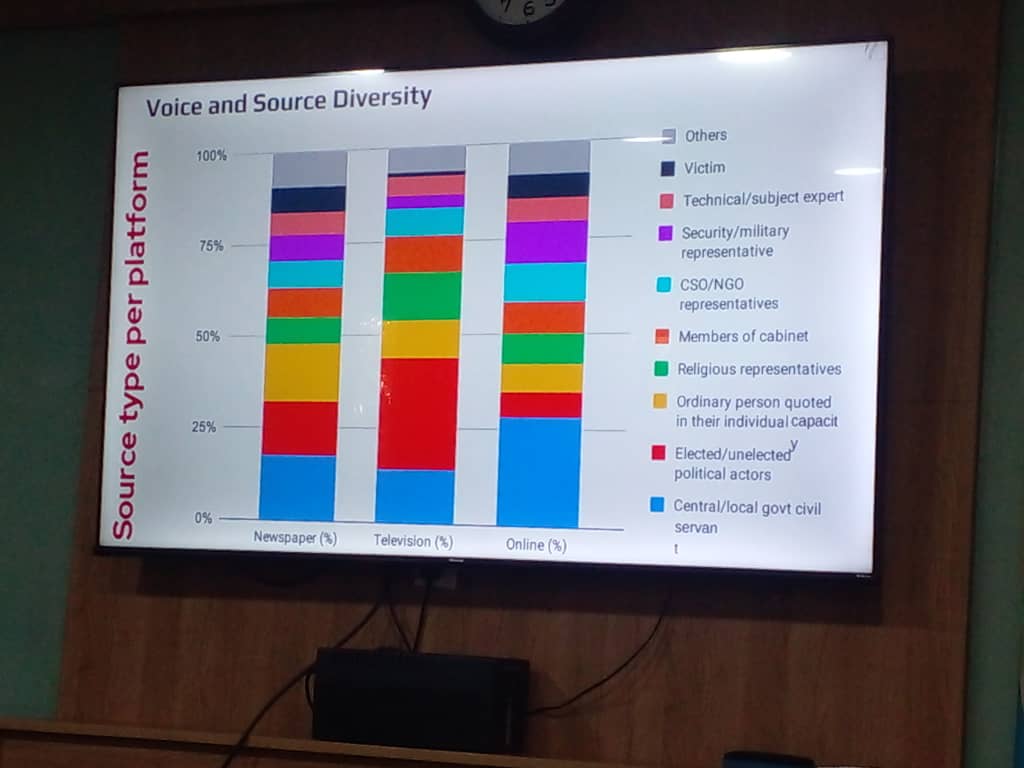
She further revealed that AMwA, in partnership with the African Centre for Media Excellence (ACME), has conducted research on how SRHR issues are represented in Uganda’s media.
“We found that the media uses different frames, but many stories lack depth and rely on myths or general beliefs rather than expert evidence. We want more collaboration between journalists, editors, and health experts so that conversations are based on facts, not misconceptions,” Williams noted.
The organization recently completed a study focusing on radio coverage, which will be released soon. The research highlights the prevalence of misinformation and the need for more balanced reporting that assigns accountability to policymakers and service providers.
“We hope to see stories that assign legal responsibility to those mandated to provide SRHR services and information. It’s not just about raising awareness—it’s about accountability,” she said.
Bakshi Asuman, a facilitator also called for consistency in media coverage. “Most times, we only see these issues discussed during events like International Youth Day or the 16 Days of Activism.
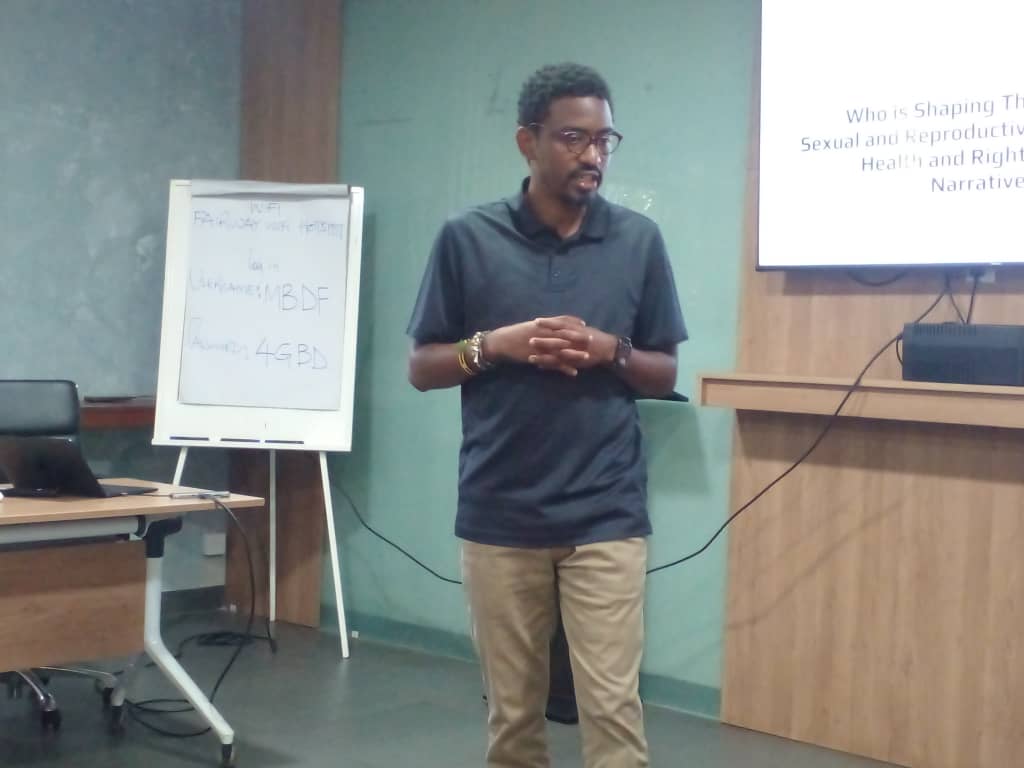
We are asking editors to embed SRHR reporting in regular programming,” she said. “How can we use the election season, national budgeting, or even the Parish Development Model discussions to talk about SRHR? You cannot lift people out of poverty without addressing their reproductive health needs.”
He urged media houses to produce more solution-oriented stories that connect individual experiences to broader policy and social contexts. “Narratives are powerful—they shape how we understand the world around us. If we don’t have a shared understanding of SRHR, it leads to mistrust, misinformation, and the spread of harmful myths,” Asuman cautioned.
The editors’ workshop marked the beginning of what AMwA described as a long-term partnership aimed at deepening collaboration between the media and civil society. “We are laying the foundation for what we hope will be a long relationship with editors,” Williams concluded.