



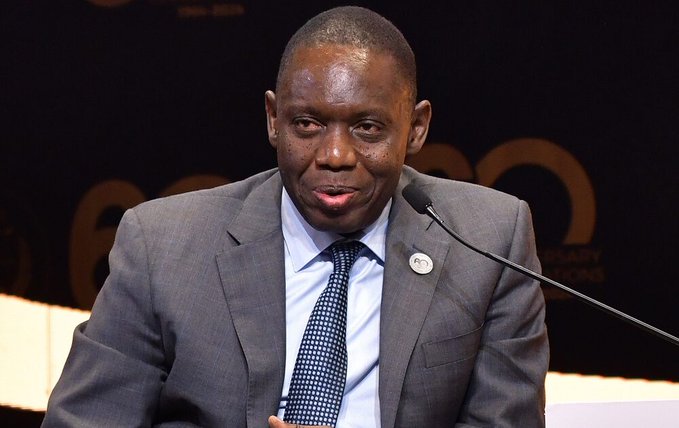
The appointment of Michael Atingi-Ego as the Governor of the Bank of Uganda on February 10, marked a significant moment in Uganda’s financial and economic landscape.
His selection comes at a critical time when the country is grappling with economic challenges, including inflationary pressures, currency volatility, and the lingering effects of the COVID-19 pandemic.
Atingi-Ego’s appointment was not merely a routine administrative decision but a strategic move rooted in his extensive experience, technical expertise, and the need for steady leadership in Uganda’s central bank. This article delves into the key reasons behind his appointment and what it signifies for Uganda’s economic future.
1. Extensive Experience in Monetary Policy and Financial Stability
Michael Atingi-Ego brings to the role a wealth of experience in central banking and international finance. Before his appointment, he served as the Deputy Governor of the Bank of Uganda, where he played a pivotal role in shaping monetary policy and ensuring financial stability. His prior roles at the International Monetary Fund (IMF) and the African Development Bank (AfDB) further solidified his reputation as a seasoned economist with a deep understanding of global and regional financial systems.
Uganda’s economy, like many others, faced significant headwinds during the pandemic, including reduced foreign exchange inflows, rising public debt, and inflationary pressures. Atingi-Ego’s expertise in macroeconomic management and his ability to navigate complex financial environments made him a natural choice to steer the Bank of Uganda through these turbulent times.
2. Proven Track Record in Crisis Management
Atingi-Ego’s appointment came at a time when Uganda needed a leader with a proven track record in crisis management. During his tenure as Deputy Governor, he was instrumental in implementing measures to stabilize the economy during the COVID-19 pandemic. These measures included liquidity support to financial institutions, regulatory forbearance, and efforts to maintain the stability of the Ugandan shilling.
His experience in crisis management is particularly relevant as Uganda seeks to recover from the economic shocks of the pandemic.
The government needed a central bank governor who could not only address immediate challenges but also lay the groundwork for long-term economic resilience. Atingi-Ego’s ability to balance short-term interventions with strategic foresight made him an ideal candidate for the role.
3. Commitment to Inflation Control and Price Stability
One of the primary mandates of the Bank of Uganda is to ensure price stability, which is critical for sustainable economic growth. At the time of his appointment, Uganda is experiencing rising inflation, driven by global supply chain disruptions, high fuel prices, and domestic agricultural challenges. Atingi-Ego’s deep understanding of monetary policy tools and his commitment to inflation control were key factors in his selection.
His approach to monetary policy has been characterized by a focus on data-driven decision-making and a willingness to take decisive action when necessary. For instance, under his leadership, the Bank of Uganda has implemented measures such as adjusting the Central Bank Rate (CBR) to curb inflationary pressures while supporting economic recovery. This balanced approach has been crucial in maintaining investor confidence and ensuring macroeconomic stability.
4. Strengthening Uganda’s Financial Sector
Another critical factor in Atingi-Ego’s appointment was his vision for strengthening Uganda’s financial sector. During his tenure as Deputy Governor, he championed initiatives aimed at enhancing financial inclusion, improving regulatory frameworks, and promoting the stability of the banking sector. His leadership was instrumental in addressing challenges such as non-performing loans and ensuring that financial institutions remained resilient in the face of economic shocks.
As Governor, Atingi-Ego has continued to prioritize the modernization of Uganda’s financial sector, including the adoption of digital financial services and the promotion of fintech innovations. These efforts are aligned with the government’s broader goal of fostering inclusive economic growth and reducing poverty.
5. International Credibility and Partnerships
Atingi-Ego’s extensive experience working with international financial institutions such as the IMF and AfDB has bolstered his credibility on the global stage. This was a critical consideration for his appointment, as Uganda sought to strengthen its relationships with development partners and attract foreign investment.
His ability to engage with international stakeholders and advocate for Uganda’s economic interests has been a significant asset. For example, his leadership has been instrumental in securing funding and technical support for key development projects, including infrastructure and social programs. This international credibility has enhanced Uganda’s standing in the global financial community and opened doors for greater collaboration.
6. Continuity and Institutional Memory
Atingi-Ego’s appointment also reflected the importance of continuity and institutional memory in central banking. Having served as Deputy Governor, he was already familiar with the Bank of Uganda’s operations, challenges, and strategic priorities. This ensured a smooth transition of leadership at a time when the country could ill afford disruptions in economic policy making.
His deep understanding of the institution’s culture and processes has enabled him to build on the achievements of his predecessors while introducing innovative solutions to emerging challenges. This continuity has been critical in maintaining the Bank of Uganda’s credibility and effectiveness.
7. Alignment with National Development Goals
Finally, Atingi-Ego’s appointment aligns with Uganda’s broader national development goals, as outlined in Vision 2040 and the National Development Plan (NDP III). These frameworks emphasize the importance of economic transformation, industrialization, and human capital development. As Deputy Governor, Atingi-Ego has been a strong advocate for policies that support these objectives, including efforts to enhance access to credit for small and medium-sized enterprises (SMEs) and promote sustainable economic growth.
His leadership has also been characterized by a commitment to transparency and accountability, which are essential for building public trust in the central bank. This alignment with national priorities has made him a valuable partner in the government’s efforts to achieve its development agenda.
Conclusion
Michael Atingi-Ego’s appointment as Governor of the Bank of Uganda was a well-considered decision rooted in his technical expertise, leadership qualities, and alignment with the country’s economic priorities. At a time of significant economic challenges, his experience in crisis management, commitment to price stability, and vision for financial sector development have positioned him as a key player in Uganda’s journey toward sustainable growth and prosperity.
As Uganda continues to navigate a complex global economic environment, Atingi-Ego’s leadership will be critical in ensuring that the central bank remains a pillar of stability and a driver of economic transformation. His appointment underscores the importance of having skilled and experienced leaders at the helm of critical institutions, particularly in times of uncertainty.
By Edwin Muhumuza.
Journalist