



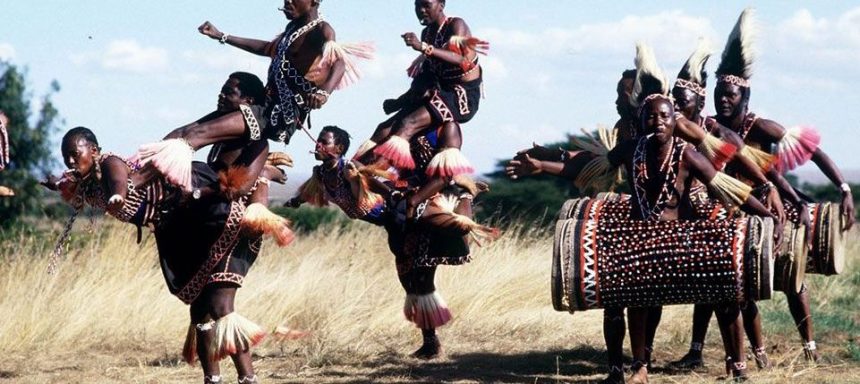
Since 1986, Uganda’s tourism sector has undergone a remarkable transformation, emerging as a key contributor to the nation’s economy and earning its moniker, the “Pearl of Africa.” This evolution is marked by strategic initiatives, infrastructural developments, and a renewed focus on sustainability, all of which have positioned Uganda as a premier tourist destination ahead of the 9th edition of the Pearl of Africa Tourism Expo (POATE) in 2025.
Post-1986 Reforms and Institutional Framework
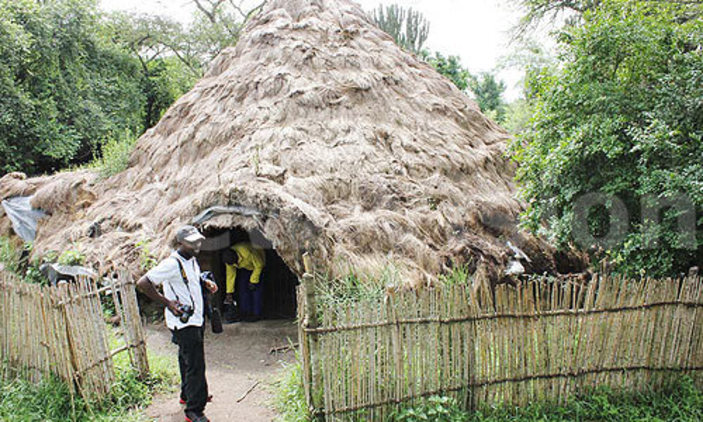
The ascent of the National Resistance Movement in 1986 ushered in an era of political stability, creating a conducive environment for economic development, including tourism. In 1996, the government established the Uganda Wildlife Authority (UWA) to oversee the management and protection of wildlife and their habitats. This move was pivotal in curbing poaching and promoting conservation efforts, ensuring the sustainability of Uganda’s rich biodiversity. The enactment of the Uganda Wildlife Act further strengthened these conservation initiatives, laying the groundwork for eco-tourism and wildlife-centered attractions.
Marketing and Branding Initiatives
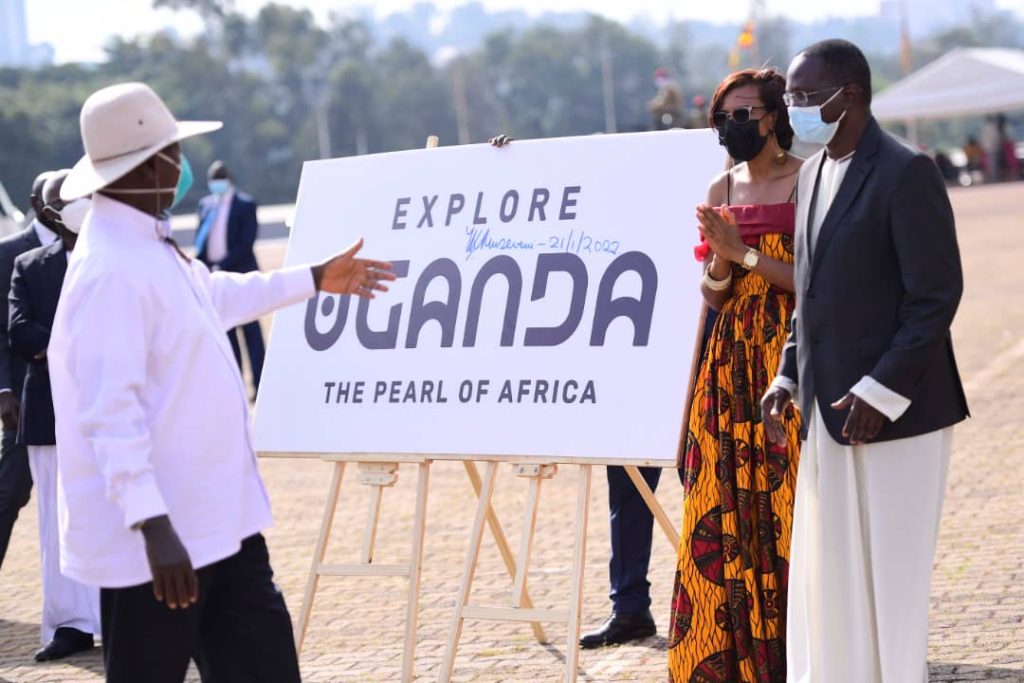
To enhance its global tourism profile, Uganda launched the “Explore Uganda – The Pearl of Africa” campaign in 2022. This initiative aimed to rebrand the country by showcasing its diverse attractions, from lush landscapes to vibrant cultures.
Collaborations with international travel influencers and participation in global tourism expos, such as the World Travel Market in London and the International Tourism Bourse in Berlin, have been instrumental in elevating Uganda’s visibility on the world stage.
Infrastructure Development
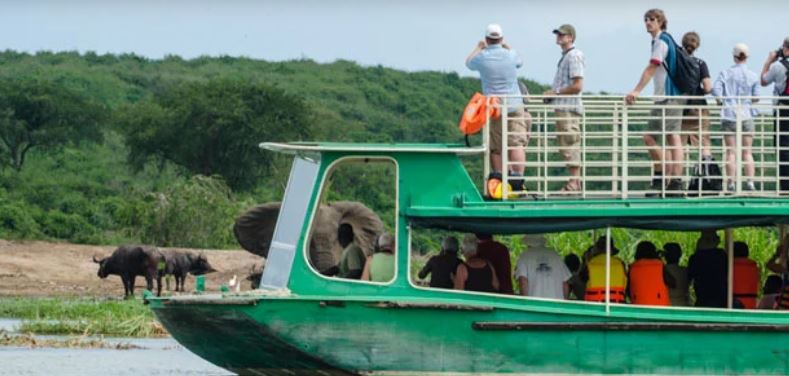
Recognizing the critical role of infrastructure in tourism, Uganda has invested heavily in upgrading its facilities. The modernization of Entebbe International Airport and the development of new airstrips near major tourist sites have improved accessibility. Additionally, the expansion of road networks connecting national parks and other attractions has facilitated smoother travel experiences for visitors. The growth of accommodation facilities, particularly around emerging tourist destinations like Kasese, underscores the sector’s expansion.
Professionalization and Capacity Building
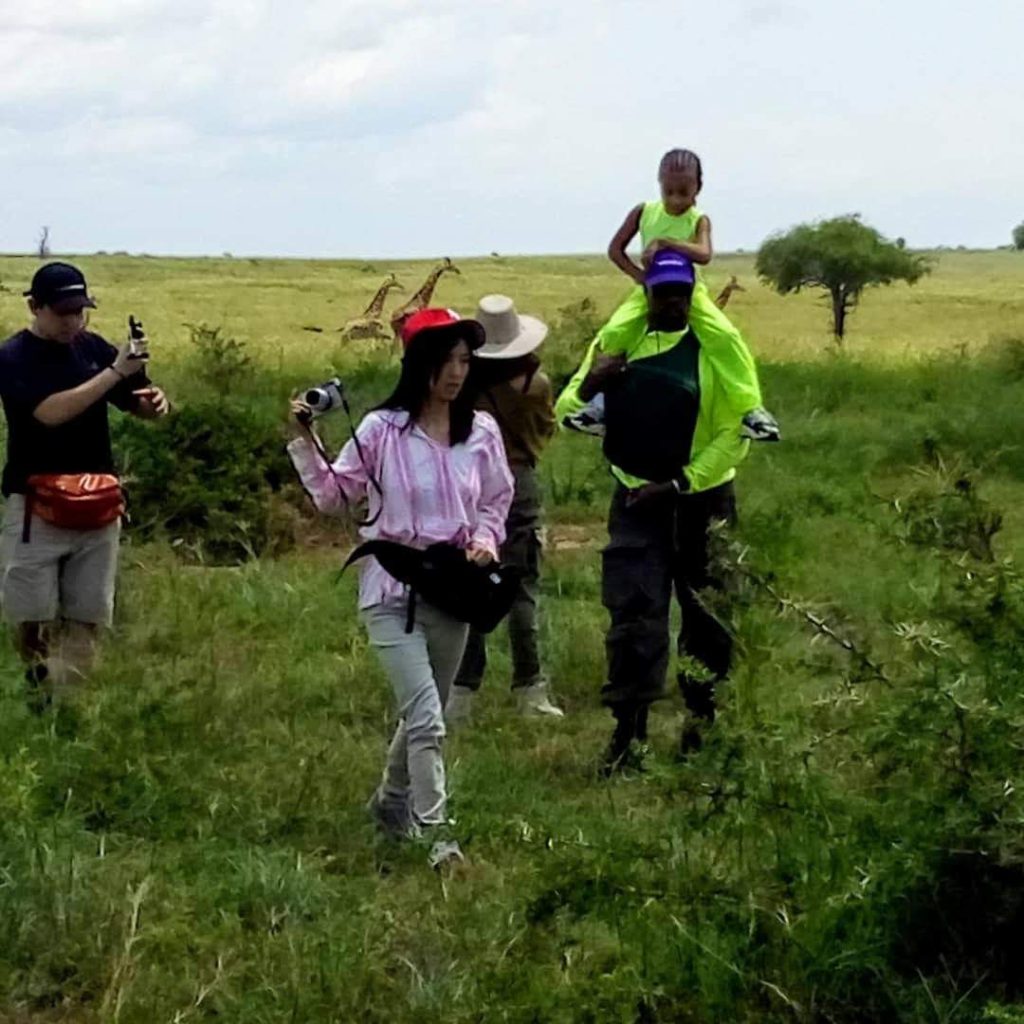
Efforts to professionalize the tourism industry have led to the establishment of regulatory bodies like the Uganda Tourism Board (UTB), which oversees industry standards and marketing. Training programs focusing on hospitality management, tour guiding, and customer service have been implemented to enhance service delivery. Institutions such as the Uganda Wildlife Research and Training Institute in Kasese play a pivotal role in building capacity within the sector.
Sustainable and Adventure Tourism
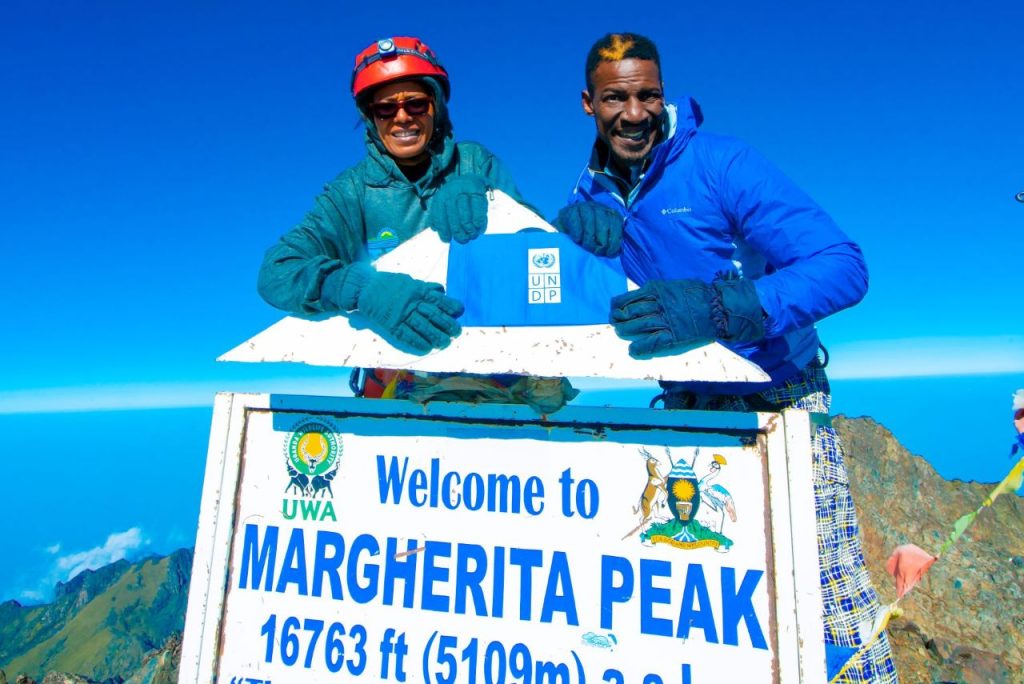
Uganda’s commitment to sustainability is evident in its promotion of eco-tourism and adventure tourism. Events like the Rwenzori Marathon have not only attracted international participants but also revitalized local economies by increasing tourism and hospitality investments in regions like Kasese. Such initiatives highlight Uganda’s potential in sport and adventure tourism, offering unique experiences that differentiate it from neighboring destinations.
Pearl of Africa Tourism Expo (POATE) 2025
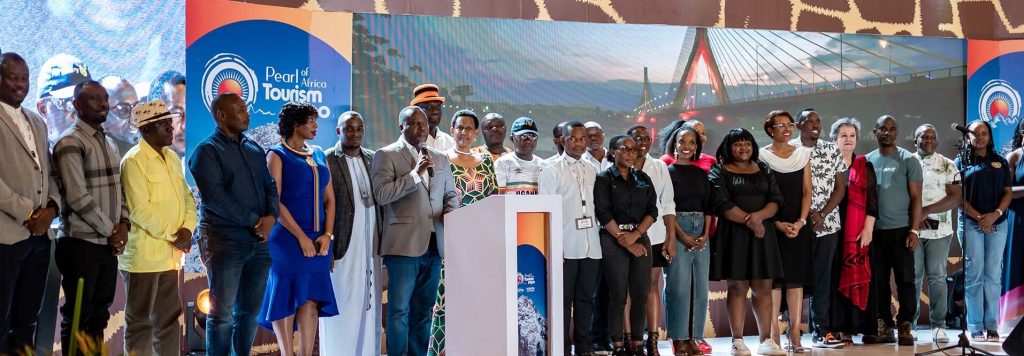
The upcoming 9th edition of POATE, scheduled from May 21 to 24, 2025, at the Speke Resort and Convention Centre in Munyonyo, Kampala, epitomizes Uganda’s tourism milestones. Under the theme “Tourism and Sustainable Transformation,” the expo aims to bring together over 5,000 trade visitors, 70 international buyers, and numerous exhibitors. The event will facilitate Business-to-Business (B2B) and Business-to-Consumer (B2C) interactions, fostering partnerships and showcasing Uganda’s unique attractions. Additionally, the “Tell Your Story – Explore Uganda” campaign encourages Ugandans to share their tourism experiences, promoting domestic tourism and national pride.
In conclusion, Uganda’s tourism sector has experienced significant growth since 1986, driven by deliberate government initiatives, infrastructural improvements, and strategic marketing. As the nation prepares for POATE 2025, these milestones underscore Uganda’s commitment to sustainable tourism and its emergence as a leading destination in Africa.