



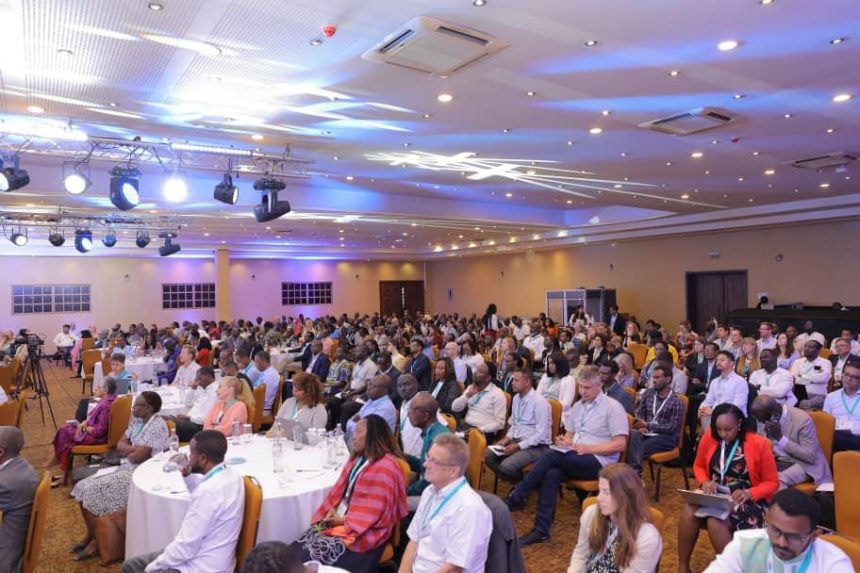
Uganda this week became the center of global attention in the fight against Neglected Tropical Diseases (NTDs) as it hosted the 16th Annual Neglected Tropical Diseases NGO Network (NNN) Conference in Kampala.
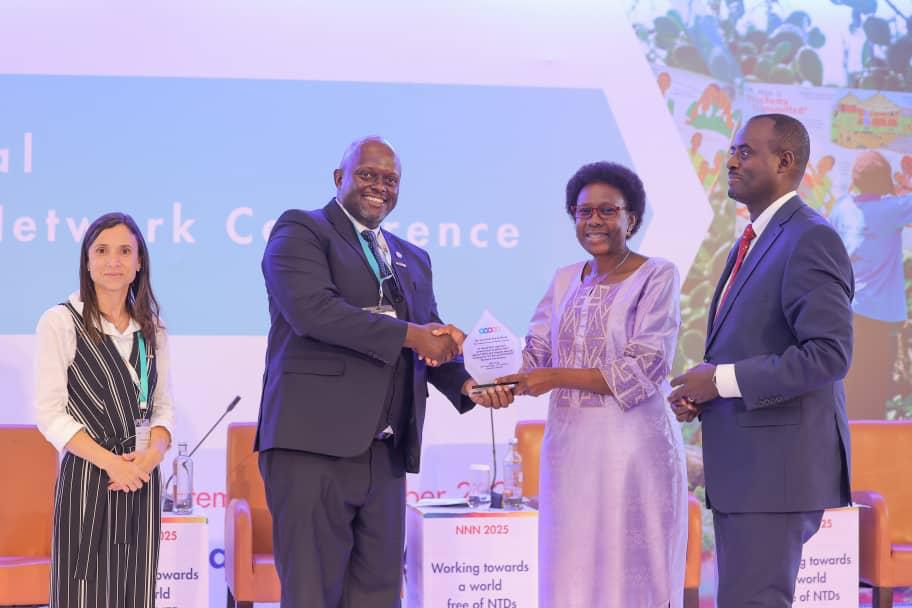
The high-level forum has brought together government leaders, health experts, donors, and community representatives to chart new strategies for eliminating NTDs by 2030, in line with the World Health Organization (WHO) roadmap.
In her opening address, Health Minister Dr. Ruth Aceng made mention of Uganda’s progress and renewed commitment to eliminating NTDs, despite the funding gaps now facing global health programs.
“On behalf of the government and the Ministry of Health, it is my great honor to extend a warm welcome to all the participants at this year’s NNN Conference,” she said. “Uganda has had a long history in managing NTDs. We are proud of our Uganda NTD Master Plan 2023–2027, which unites multiple sectors to build resilient health systems that deliver sustainable, accessible, and equitable services.”
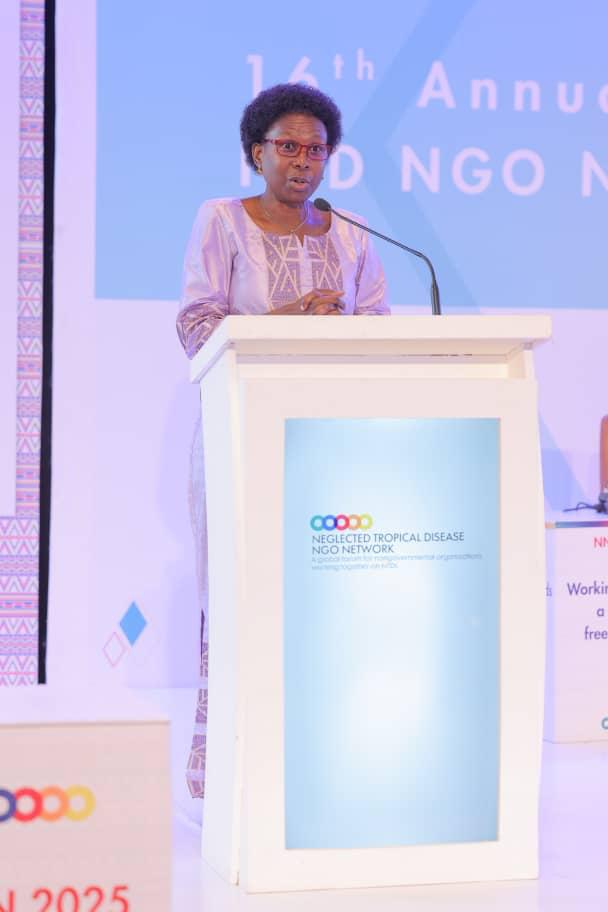
Dr. Aceng highlighted Uganda’s success in eliminating Guinea worm disease in 2009 and sleeping sickness of the Gambiense type in 2022. She said the country is now on track to eliminate trachoma, river blindness, lymphatic filariasis, and visceral leishmaniasis by 2030.
“Our supply chain systems are being strengthened, our health records digitalized, and community health extension workers are now professionalized to expand coverage,” she explained. “But resources are dwindling fast. We must run the race even quicker to end these diseases before donors sign off.”
The conference theme, “Sustainable Innovations for Impact: Transforming the Fight Against Neglected Tropical Diseases,” reflects Uganda’s push for technology-driven and community-centered solutions. “We recognize that innovation is key to overcoming the challenges we face, and we are eager to explore new strategies together,” Dr. Aceng noted.
Dr. Gilbert Bageenda, Chair of the NNN, praised Uganda’s achievements, saying they made the country a fitting host. “Uganda has made great progress. If you recall, lymphatic filariasis was widespread in Teso and parts of the north, and river blindness was devastating communities in Kasese and West Nile. Today, those diseases are nearly eliminated,” he said.
Bageenda reminded participants that NTDs remain “diseases of poverty” disproportionately affecting marginalized populations. “These are disabling infections – bilharzia, river blindness, lymphatic filariasis, intestinal worms – that rob children of education and adults of productivity. Yet, they are preventable and treatable,” he stressed.
“Our challenge is not medical knowledge, but resources, training, and awareness. We must demystify the myths – these are not curses, they are infections that can be eliminated.”
He also pointed to climate change as a new driver of NTD spread. “When floods contaminate water or drought reduces access to hygiene, transmission increases. So, climate change is now part of the NTD challenge.”
Dr. Alfred Mubangizi, Commissioner for Vector-Borne and NTDs at the Ministry of Health, spoke candidly about Uganda’s financing dilemma following the closure of several USAID-funded projects.
“Most of our NTD programs have been donor-dependent. With USAID and RTI projects closing, some partners had threatened to stop medicine donations. But after seeing our progress, they promised to continue support,” he said.
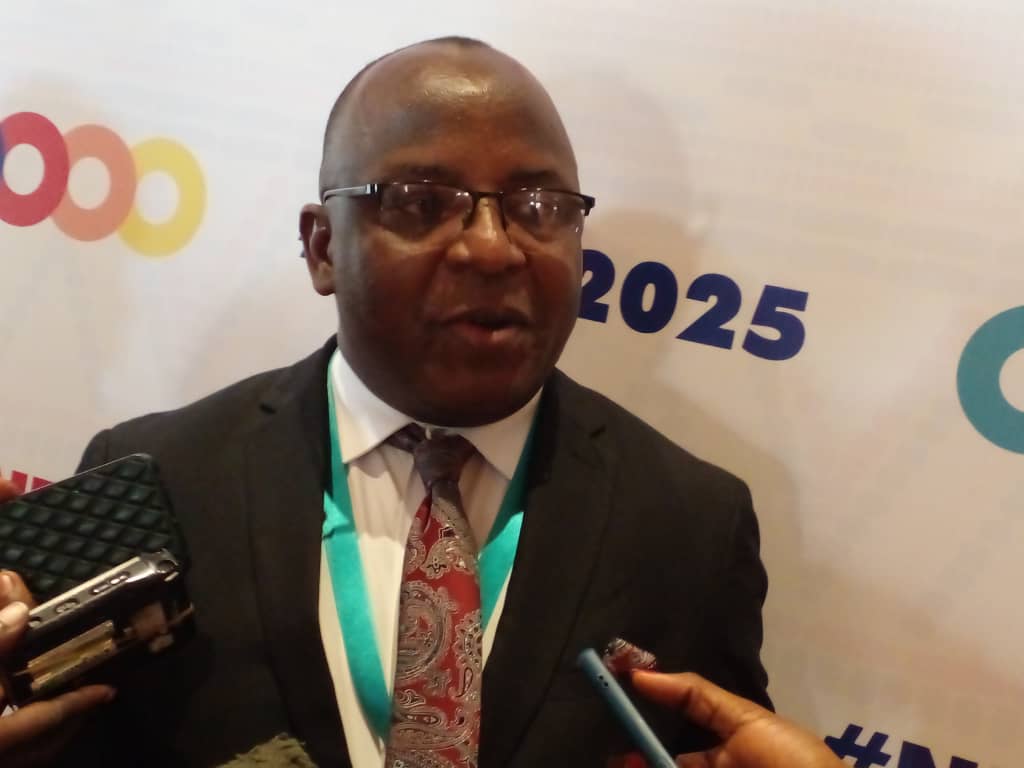
Mubangizi emphasized integration as the way forward. “We are learning from other countries that have succeeded by merging NTD programs with malaria and immunization campaigns. Last year, Uganda conducted mass drug administration alongside immunization, which proved cost-effective. Integration is our survival strategy in this era of shrinking donor funds.”
Uganda still faces persistent challenges, particularly schistosomiasis (bilharzia), endemic in 96 of 146 districts. Survivors of other NTDs also require rehabilitation.
“Trachoma may be controlled, but it has left many blind. Filariasis has left patients with swollen legs and hydrocele, conditions that require surgery. These permanent disabilities affect livelihoods, dignity, and mental health,” Mubangizi noted.
Despite these hurdles, the mood at the Kampala gathering was one of determination.
The conference includes scientific sessions, workshops, and rapid-fire presentations designed to foster innovation and collaboration.
A special tribute was also paid to the late U.S. President Jimmy Carter, whose Carter Center supported Uganda’s successful Guinea worm eradication campaign and continues to back mental health and schistosomiasis programs.
As discussions continue, delegates say Uganda’s story is a testament to what political will, innovation, and partnerships can achieve – even in the face of donor fatigue.
“We know what to do,” Dr. Bageenda concluded. “The world simply has to prioritize these diseases and ensure no community is left behind. Old diseases must not hold back future generations.”