



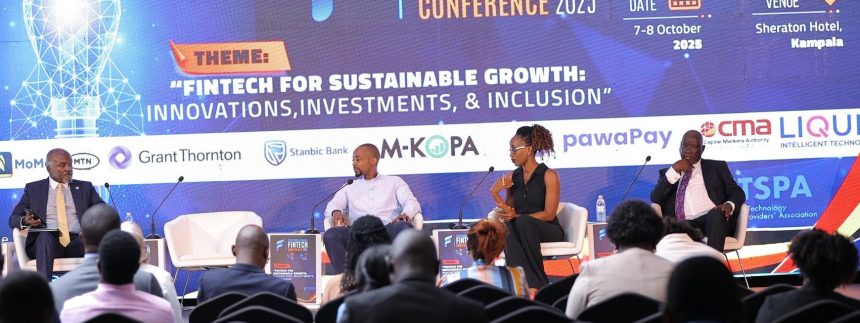
Industry leaders at the 7th FITSPA Annual Fintech Conference have called for a coordinated transition from legacy banking systems to interoperable digital payment platforms, saying this is the next critical step in advancing financial inclusion and innovation across Africa.
The Day Two panel discussion, themed “From Legacy to Modern Payment Rails: Why Interoperable Payment Platforms are the Next Step for Africa’s Financial Sector,” brought together Ivan Bushaija, CIO of Centenary Bank; Francis Ekemu, Head of Business Technology at Pride Bank; Flavia Eleanor Kasenge, CEO of Ezeemoney; and Suleiman Murunga, Director at Muda.
Panelists agreed that Africa’s fragmented digital payment systems—driven by outdated banking infrastructure and limited collaboration—have slowed innovation, increased costs, and excluded millions from formal financial services.
Flavia Kasenge emphasized that interoperability was no longer optional but a necessity. “We all started by building systems for our own customers, but now we must think of a connected market,” she said. “The bridges we’re building should stop being paths and become highways for financial inclusion.”
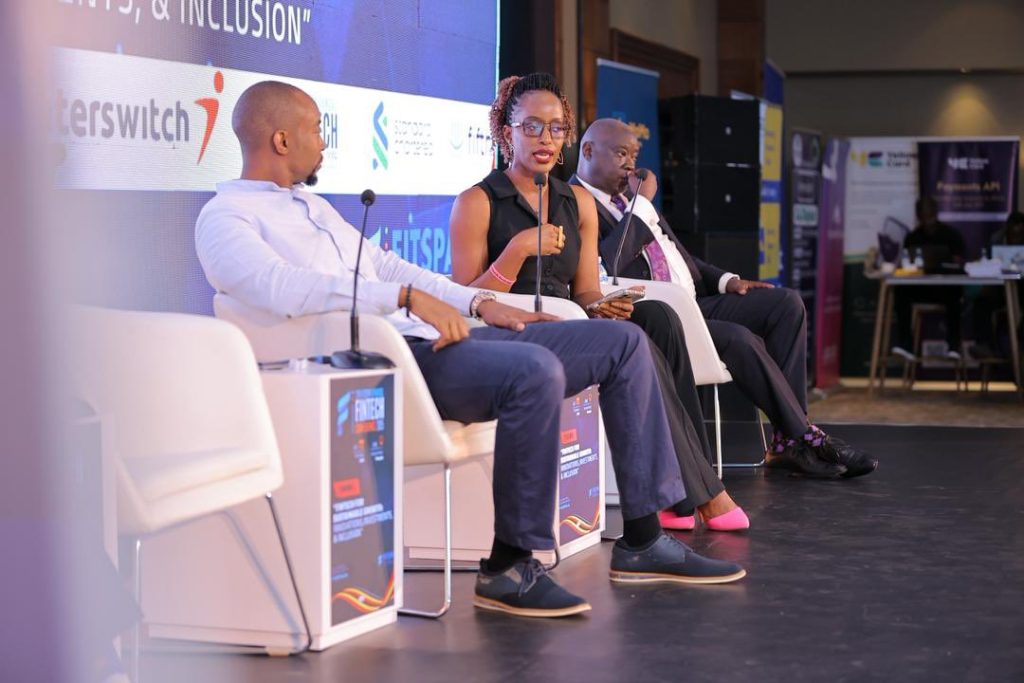
Murunga noted that most legacy institutions were built before interoperability became a design concept. “These systems weren’t created to speak to each other. Startups are quick and agile, but the old systems are slow and rigid,” he said, warning that such disconnects create friction, limit scalability, and delay Africa’s readiness for technologies like blockchain and stablecoins.
Francis Ekemu from Pride Bank added that risk aversion among traditional bankers was a key obstacle. “Legacy systems are vulnerable and outdated, but the bigger problem is the mindset of those who run them. They fear connecting with fintechs because they think integration exposes them to risk,” he said.
Kasenge further highlighted commercial and trust-related barriers. “We’re all refusing to share—data, revenue, and control. Yet collaboration, not fear, will help us grow the financial ecosystem,” she explained, urging banks to provide easier access to capital for fintechs instead of “asking for land titles and endless paperwork.”
Murunga concluded that mindset shifts are crucial if Africa is to compete globally. “By 2035, all currencies will be tokenized. But if we wait for regulation before adapting, we’ll be left behind,” he said, calling for proactive collaboration between banks, telecoms, and fintech innovators.
The discussion enphasized a shared vision: that interoperability, trust, and partnership—not competition—will define the next chapter of Africa’s digital finance transformation.