



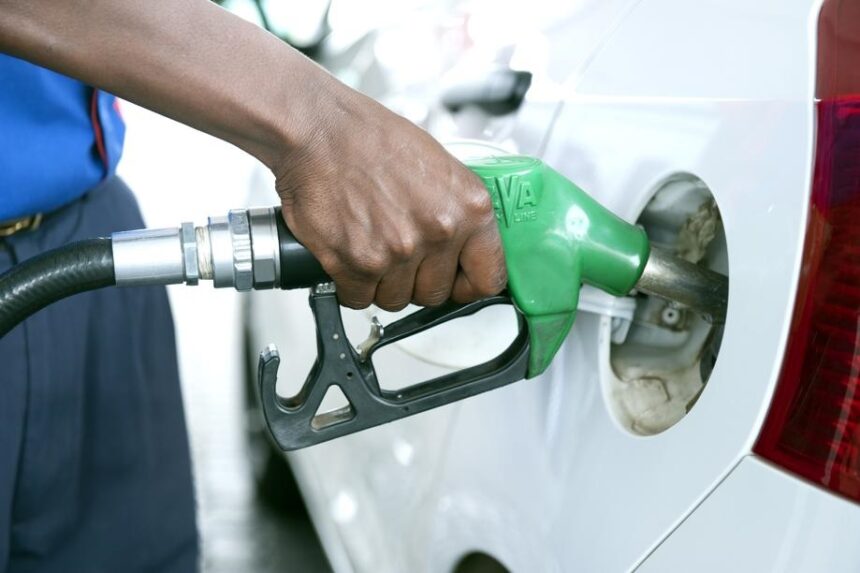
South African motorists are enjoying the lowest petrol prices in nearly four years, following fresh fuel price cuts driven by a stronger rand and softer global oil markets.
Petrol prices have fallen by about 65 cents per litre, while diesel has dropped by more than 50 cents, extending a downward trend that began earlier this year.
The reductions are easing transport costs, supporting businesses and helping to contain inflation. However, energy analysts warn that the relief masks deeper structural weaknesses in the country’s energy system.
South Africa remains heavily reliant on imported refined fuels, with roughly three-quarters of its liquid fuel needs sourced from abroad following a sharp decline in domestic refining capacity. Strategic fuel reserves cover less than a month of supply, leaving the country exposed to global oil price swings and currency volatility.
The recent price relief has been largely attributed to the rand’s strength. The currency gained nearly 13% against the U.S. dollar in 2025—its best annual performance in over a decade—supported by improved fiscal sentiment and firm commodity prices. While a stronger rand lowers the cost of fuel imports, it underscores the economy’s vulnerability to external market forces.
At the same time, South Africa faces a looming “gas cliff.” Existing pipeline gas imports from Mozambique are declining, and without new domestic production or liquefied natural gas (LNG) import infrastructure, supply shortages could emerge as early as 2026. Currently, about 90% of the country’s natural gas is sourced through a single Mozambican pipeline.
Government has moved to fast-track LNG infrastructure, including a floating storage and regasification unit expected in Mozambique by mid-2026 and a planned terminal at Richards Bay by 2027. Efforts are also underway to unlock offshore gas resources in the Orange Basin.
Energy stakeholders say sustained investment in domestic gas development and LNG infrastructure will be critical to reducing import dependence, stabilizing fuel costs and strengthening long-term energy security.