



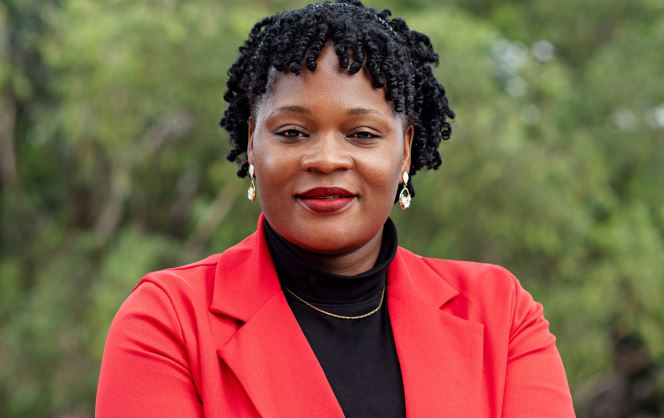
As global negotiations on a new pandemic agreement enter their final stretch, civil society organizations in Uganda are raising concerns over equity, access and accountability. In an interview with The Highflyer Report, Diana Tibesigwa,Regional Advocacy & Policy Manager – East & West Africa ,AIDS Healthcare Foundation outlines why activists are pushing for fair benefit sharing, greater transparency and stronger protections for developing countries under the proposed framework led by the World Health Organization.
Q: Who are you and what organization do you represent?
A: My name is Diana Tibesigwa. I work with the AIDS Healthcare Foundation (AHF), which operates in Uganda as AHF Uganda Cares. We are a global public health organization that has expanded beyond HIV to include pandemic preparedness and response.
Q: Why did civil society organizations convene this meeting?
A: We brought together networks, including the Resilient Action Network and the Essential Medicines Coalition, to engage in global discussions around the pandemic agreement being developed under the World Health Organization. We want to ensure the agreement reflects equity, accountability and transparency.
Q: What is the pandemic agreement and why is it important?
A: It is a proposed global legal framework developed after COVID-19 to guide how countries respond to future pandemics. If ratified, it will shape access to vaccines, treatments and emergency responses worldwide.
Q: What is the main area of concern in the agreement?
A: The most contentious issue is the Pathogen Access and Benefit Sharing (PABS) annex. It focuses on how research data and biological materials are shared and how benefits—like vaccines—are distributed.
Q: What are civil society organizations demanding?
A: We are calling for equitable benefit sharing. When pharmaceutical companies develop products using global pathogen data, those benefits must be shared fairly, especially with low- and middle-income countries that often contribute that data.
Q: Why is this a critical issue for Africa?
A: During COVID-19, Africa faced delays in accessing vaccines despite global availability. Many were expensive and supply was limited. We do not want a repeat of that situation.
Q: What specific provisions are being proposed?
A: We are advocating for at least 20 percent of pandemic-related health products to be allocated through WHO systems—10 percent donated free and 10 percent provided at affordable prices based on need.
Q: Which countries are opposing these proposals?
A: Some European countries, including Germany and Switzerland, are pushing back, largely to protect pharmaceutical industry interests and intellectual property rights.
Q: What is the position of countries like India and China?
A: India supports equity, technology transfer and affordable access, given its role as a major vaccine producer. China also supports benefit sharing and global cooperation, while strengthening its partnerships with developing countries.
Q: What role should civil society play in this agreement?
A: Civil society must be formally included in monitoring and accountability mechanisms. Currently, our role is not clearly defined, yet we are critical in holding governments accountable.
Q: How does this relate to Africa’s long-term health strategy?
A: Africa is pushing for health sovereignty through local manufacturing and regional production. Without technology transfer and flexible intellectual property rules, these goals will be difficult to achieve.
Q: What happens if the agreement is passed without these concerns addressed?
A: It risks being ineffective. Countries may delay or fail to implement it, and the world could face the same inequalities seen during COVID-19.
Q: What is your overall message to global leaders?
A: Public health must come before profit. Without equity, transparency and accountability, the pandemic agreement will not protect vulnerable populations in future health crises.
End.