



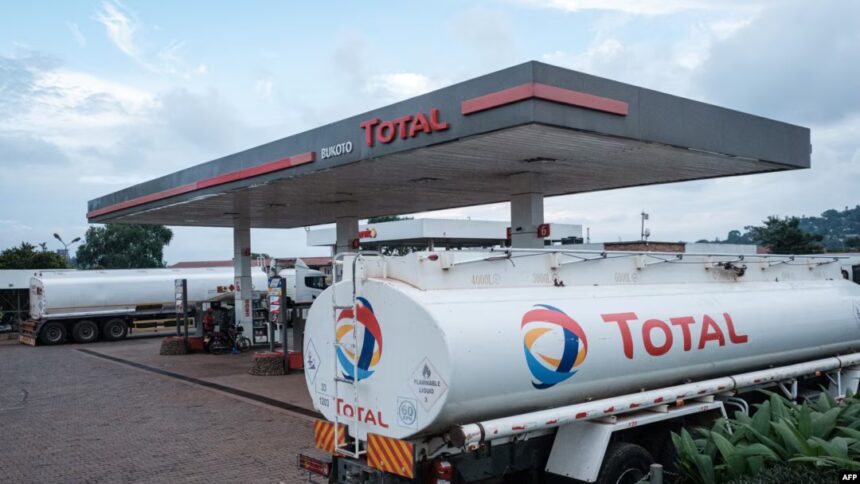
The Government of Uganda has reaffirmed the stability of the country’s fuel supply chain, announcing significant incoming petroleum volumes and diversified import routes aimed at shielding the market from global disruptions.
The Minister for Energy, Ruth Nankabirwa, said additional fuel shipments are already scheduled, with deliveries through the Port of Mombasa expected to begin at the end of March and continue into April.
The government also highlighted expanded use of Tanzanian routes, including the Port of Tanga, Port of Dar es Salaam, and Port of Mtwara, as part of a broader risk mitigation strategy.
According to the projections, Uganda is set to receive a combined 374 million litres of petroleum products in April 2026. Petrol shipments will account for 195 million litres, providing an estimated 52 days of additional cover. Diesel imports are projected at 155 million litres, equivalent to 44 days of supply, while Jet A-1 volumes will reach 24 million litres, translating into 39 days of cover.
The government noted that the diversified sourcing framework is designed to ensure continued fuel availability even amid potential disruptions to critical global supply corridors such as the Strait of Hormuz, a key artery for international oil shipments.
The move reflects a growing emphasis on supply chain resilience in Uganda’s downstream petroleum sector, particularly as geopolitical tensions and logistical bottlenecks continue to pose risks to global fuel flows.
The increased reliance on multiple ports across Kenya and Tanzania also signals a strategic shift toward regional integration and redundancy in fuel logistics. This approach is expected to reduce dependence on single-route imports while enhancing the country’s capacity to manage short-term supply shocks.
Uganda’s latest fuel import plan comes at a time of rising domestic demand driven by economic recovery, transport sector growth, and increased industrial activity. Maintaining stable fuel supplies remains critical to sustaining this momentum, particularly for key sectors such as manufacturing, aviation, and logistics.
With over a month’s worth of additional fuel cover across all major product categories, the government’s latest projections are likely to ease market concerns over potential shortages and price volatility in the near term.