



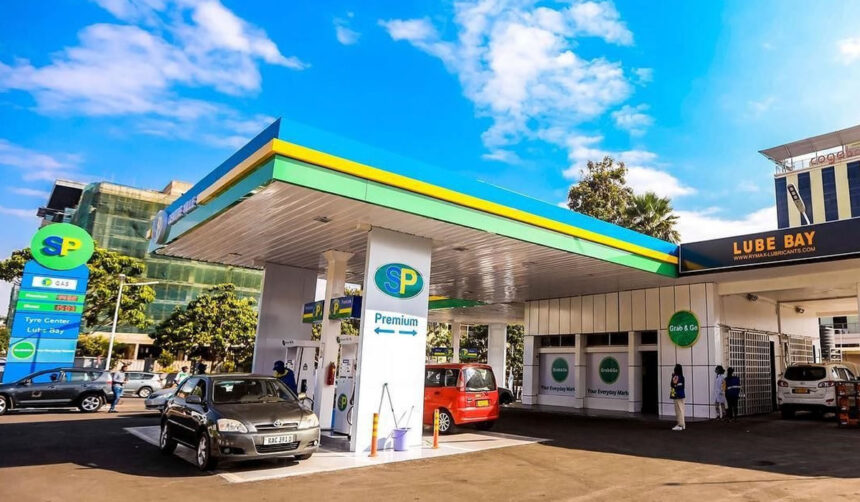
Kenyan oil marketers are set to lose another key regional market after Rwanda reportedly decided to adopt a government-to-government (G-to-G) fuel import model beginning in August, a move that could significantly reshape petroleum trade across East Africa.
According to Kenya’s Business Daily Africa, Rwanda has notified oil marketers of its intention to replace the traditional private-sector supply model with a state-backed procurement arrangement. Under the proposed framework, OQ Trading, the international energy trading arm of the Sultanate of Oman, is expected to supply petroleum products to Rwanda.
If implemented as reported, the decision would mark another setback for Kenyan fuel marketers, many of whom are still recovering from the loss of Uganda’s transit fuel business after Kampala adopted a similar G-to-G import system in 2023.
Business Daily reports that around 30 percent of Rwanda’s fuel imports have traditionally been handled by Kenyan oil marketers, although the majority of the country’s petroleum products continue to enter through the Port of Dar es Salaam. The shift is therefore expected to reduce business volumes for Kenyan firms involved in transit fuel logistics.
Unlike conventional import systems where private companies source fuel through competitive tenders, the G-to-G model enables governments to negotiate directly with national oil companies or state-backed suppliers. Supporters argue that the arrangement offers better pricing, more stable supplies and favourable credit terms while reducing exposure to volatile global markets.
Kenya itself pioneered the model in the region in 2023 after signing agreements with Saudi Aramco, Abu Dhabi National Oil Company (ADNOC) and Emirates National Oil Company (ENOC). The deal was designed to ease pressure on foreign exchange reserves by allowing imports on extended credit terms.
The reported move also reflects a broader regional trend of governments seeking greater control over strategic fuel supplies. Uganda has credited its own G-to-G arrangement with improving fuel availability and helping moderate pump prices through imports coordinated by the Uganda National Oil Company.
Business Daily further reports that Rwanda recently established the Rwanda National Petroleum Corporation (RNPC), a state-backed entity expected to oversee national fuel imports. The publication also says senior Rwandan energy officials are expected to hold discussions with the Kenya Pipeline Company on storage, transportation and pipeline access should the arrangement proceed through the Port of Mombasa.
While Rwandan authorities have yet to publicly disclose the reasons behind the reported shift, analysts say the decision may be driven by the desire to strengthen energy security, cushion consumers from global oil price volatility and improve oversight of fuel procurement.
If confirmed, Rwanda’s transition would leave Kenyan oil marketers increasingly reliant on markets such as the Democratic Republic of Congo, Burundi and South Sudan, highlighting the growing competition and changing dynamics of East Africa’s petroleum supply chain.