



Operating an international school in Uganda has never been more prestigious—or more precarious.
As Kampala’s affluent and expatriate populations swell, demand for globally recognized curricula like Cambridge, International Baccalaureate (IB), and Accelerated Christian Education (ACE) is at an all-time high. Yet behind the manicured campuses and state-of-the-art STEM labs lies a harsh economic reality.
Uganda’s international schools segment is facing a perfect storm: skyrocketing operational costs, shifting global standards, intense regulatory scrutiny, and a volatile foreign exchange market that directly impacts curriculum licensing fees.
In a decisive move to address these systemic vulnerabilities, dfcu Bank recently gathered school proprietors, education regulators, curriculum providers, and private sector leaders at its Nakasero headquarters for a high-level International Schools Forum. The mandate? Moving past the traditional “bank-and-borrower” dynamic to co-create an ecosystem that guarantees long-term institutional resilience.
The High Price of Global Standards
To maintain international accreditation, Ugandan schools must constantly invest capital into their infrastructure. This isn’t just about fresh paint; it requires massive outlays for; High-speed digital learning platforms and AI-integrated labs, cutting-edge science and tech facilities and retaining top-tier teaching talent aligned with international teaching methodologies.
Compounding this pressure is foreign currency exposure. Because these curricula are anchored to the British Pound or US Dollar, local schools are highly vulnerable to exchange rate fluctuations. When the shilling slips, the cost of exams, text resources, and affiliation fees spikes instantly.
At the same time, schools cannot simply pass these costs onto parents indefinitely. Families are already navigating severe school fee affordability constraints, creating a delicate balancing act for administrators trying to maintain enrolment stability.
From Moneylenders to Growth Partners: dfcu’s Strategic Pivot
Recognizing that traditional commercial loans are no longer enough to anchor the sector, dfcu Bank is shifting toward an advisory-led, integrated partnership model.
Speaking at the forum, dfcu Bank CEO Charles Mudiwa—who drew from his own professional background in education prior to his banking career—emphasized that supporting schools is a matter of national importance.
“Schools shape the nation we become,” Mudiwa asserted. “The quality of education and the values imparted to young people ultimately determine the future of our country. We understand the operational realities schools face—from infrastructure development to sustaining quality under evolving global frameworks.”
Financing the Full Ecosysyem.
dfcu’s Sector Head for Education and Health, Bryan Katamba, clarified that the bank’s strategy is designed to drive both day-to-day institutional efficiency and high-level educational quality.
To achieve this, dfcu’s interventions are split into three core pillars:Capital Infrastructure,Asset Financing and household resilience.
Bridging the Divide: Policy, Capital, and the Future
A recurring theme among the forum’s participants was the urgent need for closer collaboration between private education providers and policymakers. Regulatory clarity from the Ministry of Education, paired with predictable financial backing, is viewed as the only viable path forward to shield the sector from economic shocks.
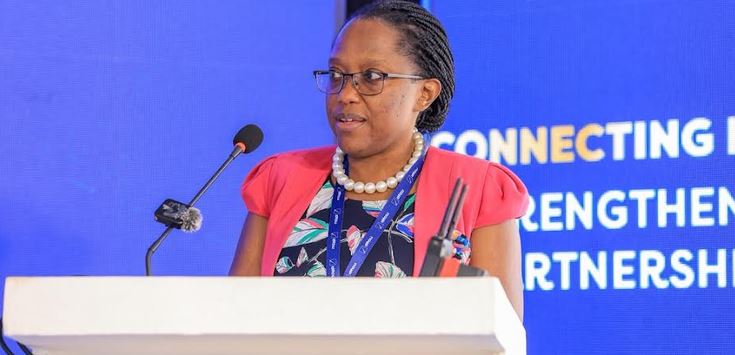
Closing the forum, Kate Kiiza, dfcu Bank’s Executive Director for Corporate and Institutional Banking, reiterated that the bank views education as a cornerstone of Uganda’s macroeconomic development.
“Education remains one of the most powerful drivers of prosperity,” Kiiza noted. “Supporting its growth is central to Uganda’s development journey.”