



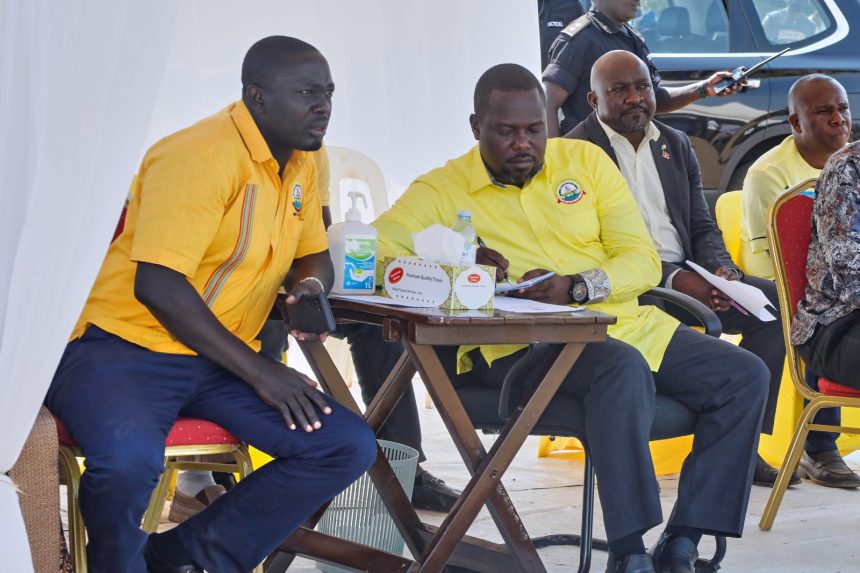
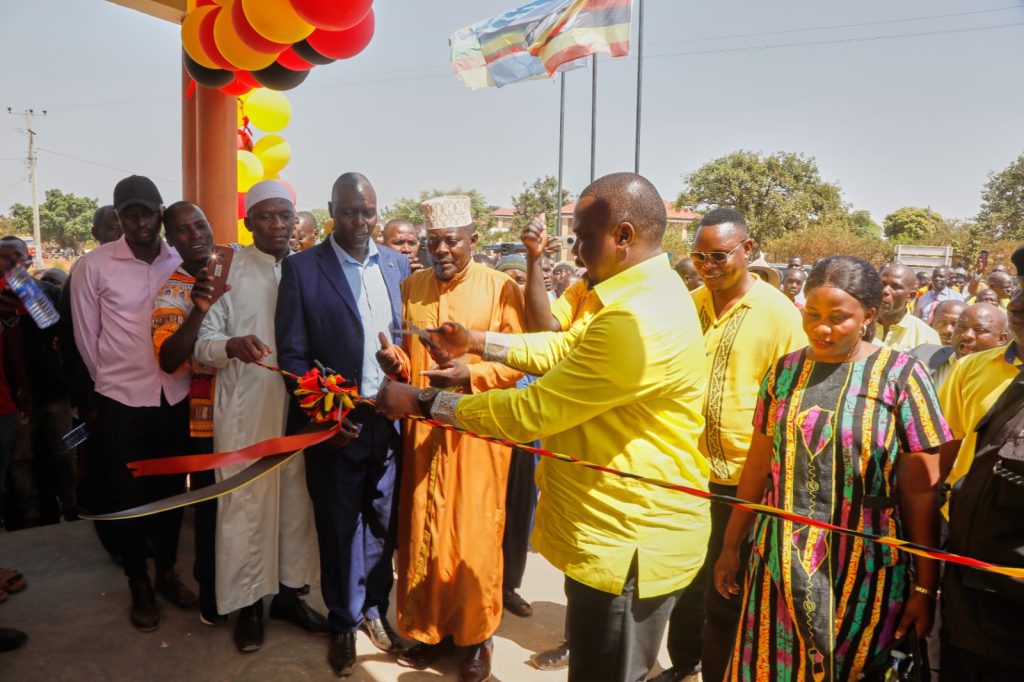
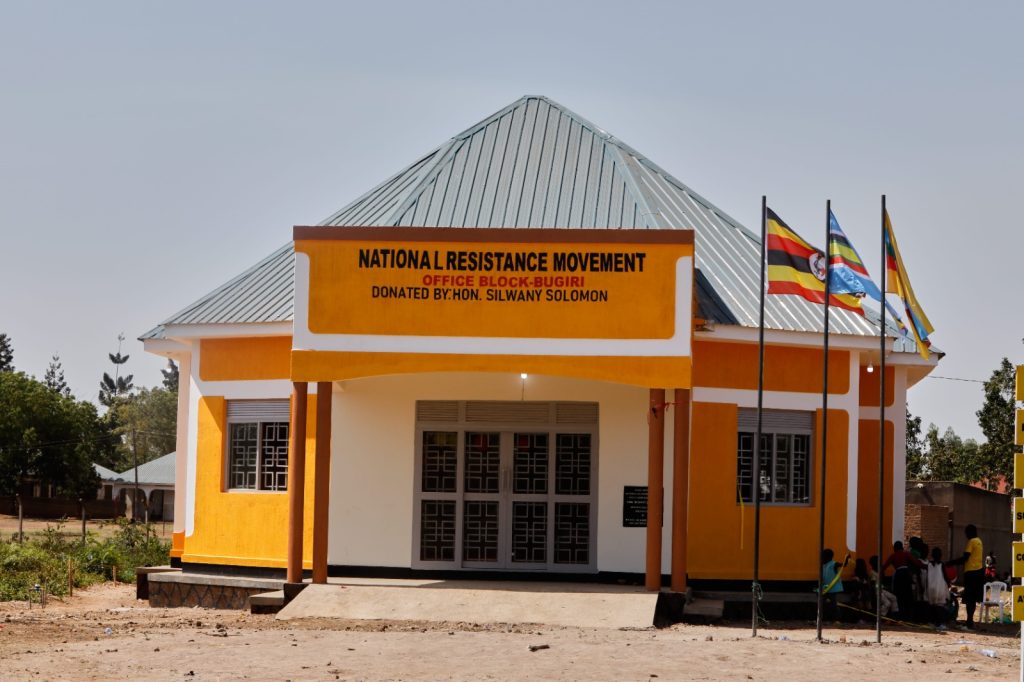
In a strategic move to bolster his political standing, Honourable Solomon Silwany, the Member of Parliament for Bukooli Central County in Bugiri District, has donated a building to serve as the National Resistance Movement (NRM) district headquarters.
This gesture comes at a time when Silwany’s political career faces significant challenges, including allegations of misconduct and corruption, as well as efforts by constituents to censure him. The critical question arises: Can this donation salvage his political career in the upcoming elections?
Contextual Background
In August 2024, a substantial number of voters—at least 39,000—signed a petition to censure MP Silwany. The allegations against him encompassed misconduct, corruption, and derogatory remarks about the Basoga community. Additionally, his involvement in the arrest of Mr. Rogers Ngiya, the Forum for Democratic Change (FDC) Chairperson for Bukooli Central Constituency, over a financial dispute, further fueled discontent among constituents. The petitioners aimed to collect 60,000 signatures to present to the Speaker of Parliament, seeking Silwany’s removal before the 2026 General Elections.
Political Ramifications of the Donation
Silwany’s donation of a building for the NRM district headquarters can be interpreted as an attempt to reaffirm his loyalty to the party and solidify his political base. Such contributions often serve to enhance a politician’s standing within party structures, potentially securing support during candidate selection processes. However, the efficacy of this strategy in swaying public opinion remains uncertain.
Challenges from Within the Party
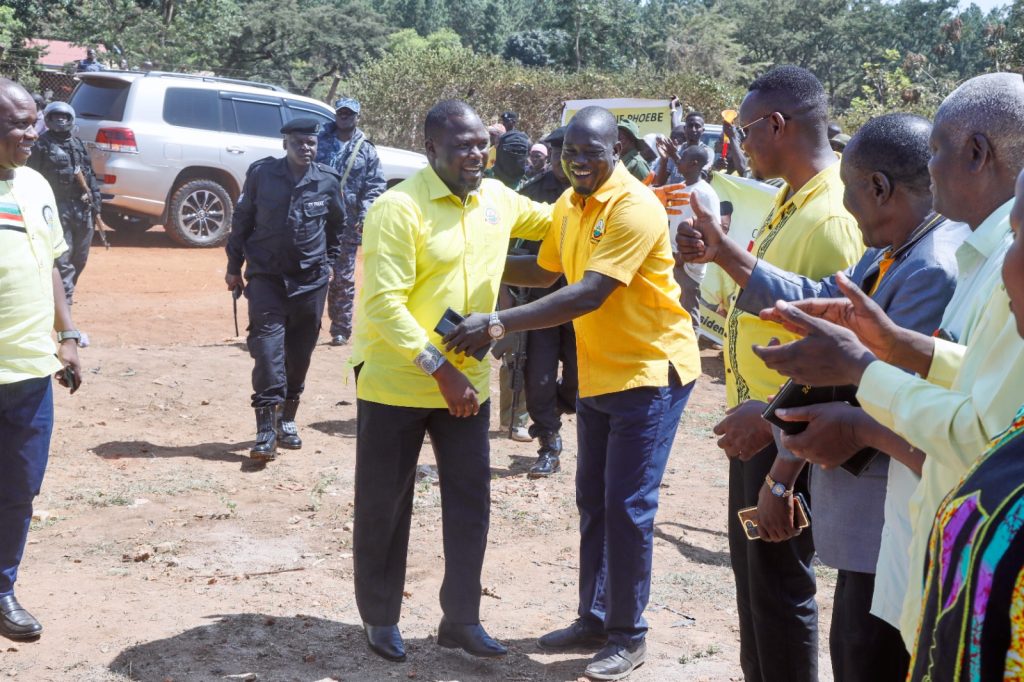
Internal party dynamics present additional hurdles for Silwany. Reports indicate that Justine Kasule Lumumba, the Minister of General Duties in the Office of the Prime Minister and former NRM Secretary General, is eyeing Silwany’s parliamentary seat. Lumumba’s influence and political clout within the NRM could pose a formidable challenge to Silwany’s re-election bid. Her potential candidacy suggests that party loyalty and contributions may not suffice to secure Silwany’s position.
Constituency Perception and Allegations of Misconduct
The allegations of misconduct and corruption have significantly tarnished Silwany’s image among his constituents. Efforts to censure him reflect a growing dissatisfaction with his leadership. While infrastructural contributions like the donation of a building may be appreciated, they might not be sufficient to counteract the negative perceptions stemming from the allegations. Trust and integrity are pivotal in political leadership, and addressing these concerns transparently is crucial for restoring public confidence.
Conclusion
Honourable Solomon Silwany’s donation of a building to the NRM in Bugiri District appears to be a strategic effort to fortify his political career amidst mounting challenges. While this move may strengthen his ties within the party, it does not directly address the core issues of constituent dissatisfaction and allegations of misconduct. To enhance his prospects in the forthcoming elections, Silwany would need to engage in comprehensive community outreach, address the allegations transparently, and rebuild trust with his electorate. Only through such multifaceted efforts can he hope to navigate the complex political landscape and secure his position.