



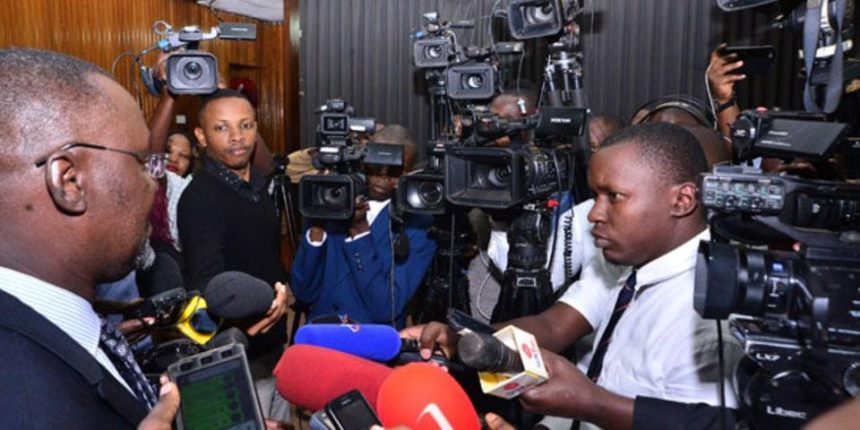
Ugandan health journalists have raised concerns over media access to public health information after The New York Times reported the death of a four-year-old child from Ebola before local media could verify the case.
The American publication published its report early on Monday, citing anonymous sources within Uganda’s Ministry of Health. However, local journalists say they were not informed about the case, raising fears of being sidelined in covering critical health issues.
“This is deeply concerning,” said Joan Nakintu, a health reporter with a leading Ugandan daily. “How does an international publication get such sensitive information before local journalists? It raises serious concerns about transparency and media access.”
The Ministry of Health has dismissed the claims, insisting that both local and international media receive updates simultaneously.

“That is not true. We communicate regularly with the media, both local and international, through periodic updates like press releases and conferences,” said Emmanuel Ainebyoona, the ministry’s spokesperson. “A single incident of an international media outlet reporting first does not mean we prioritise them.”
However, Ugandan journalists remain unconvinced. Esther Nakkazi, President of the Health Journalists Network in Uganda, says local reporters are often made to go through bureaucratic hurdles.
“We ask these questions, but it seems leadership prioritises international media. Maybe they think they get more mileage there, but we, as local journalists, should receive information first because we are the most affected,” she said.
Nakkazi added that stringent access procedures hinder timely reporting.
“The public must trust the leadership, and that starts with transparency. As health journalists, our role is to create awareness so that people understand outbreaks like Ebola and Mpox. Awareness means everything in prevention.”
The debate has renewed calls for equitable access to public health information in Uganda.