



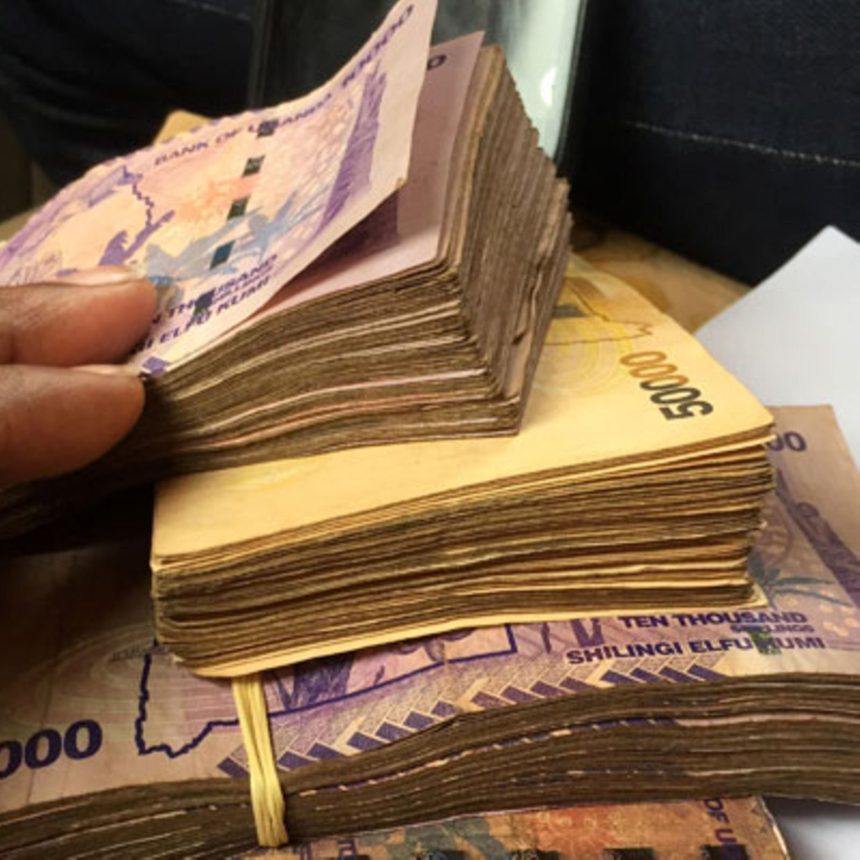
A storm is brewing in Uganda’s Parliament following explosive allegations from Leader of the Opposition Joel Ssenyonyi, who claims that members of the ruling National Resistance Movement (NRM) and a handful of opposition MPs have each received UGX 100 million under suspicious circumstances.
“We’ve learnt that there is money which is surreptitiously exchanging hands in Parliament,” Ssenyonyi said during a press briefing. “Information reaching us is that they are giving each NRM MP — and a few selected opposition MPs — 100 million shillings each, as appreciation for the coffee bill that was passed, and also in readiness for the proposed amendment to the UPDF Act.”
The controversial amendment is expected to cement the trial of civilians in military courts, despite a recent Supreme Court ruling that declared such trials unconstitutional. Critics argue this move could weaken civilian oversight and erode judicial independence.
The so-called “cash bonanza” has sparked public outrage, with civil society groups demanding accountability and transparency. “This is not only a betrayal of public trust but a misuse of taxpayers’ money to undermine democracy,” said Sarah Bireete, Executive Director of the Centre for Constitutional Governance.
Attempts to contact NRM Chief Whip Denis Obua for comment were unsuccessful. Parliament’s communications department has yet to release an official statement on the matter.
The alleged cash distribution, reportedly carried out in secrecy, raises serious ethical and legal concerns. If confirmed, the payments could constitute a form of political bribery, aimed at securing support for contentious legislation.
Ssenyonyi has called for an independent investigation into the matter, insisting that Ugandans deserve to know the truth. “We are watching a dangerous trend where Parliament is being turned into a market, with votes traded for envelopes,” he said.
The scandal threatens to deepen the credibility crisis facing Uganda’s legislative body.