



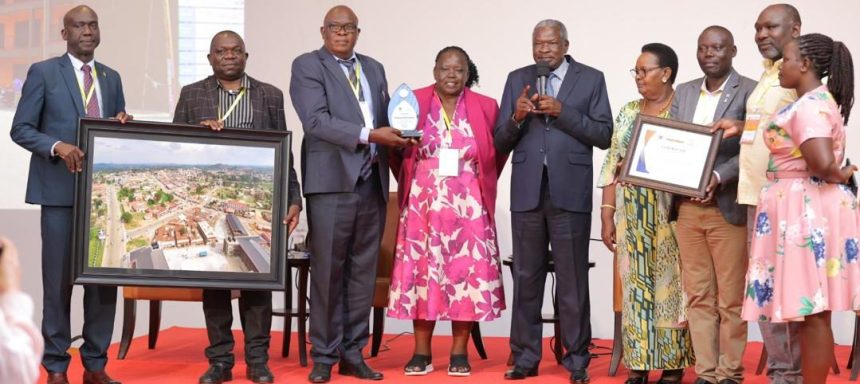
The World Bank has hailed 33 local governments for their exceptional performance under the recently concluded Uganda Support to Municipal Infrastructure Development (USMID) program, a decade-long initiative that has transformed urban infrastructure across the country.
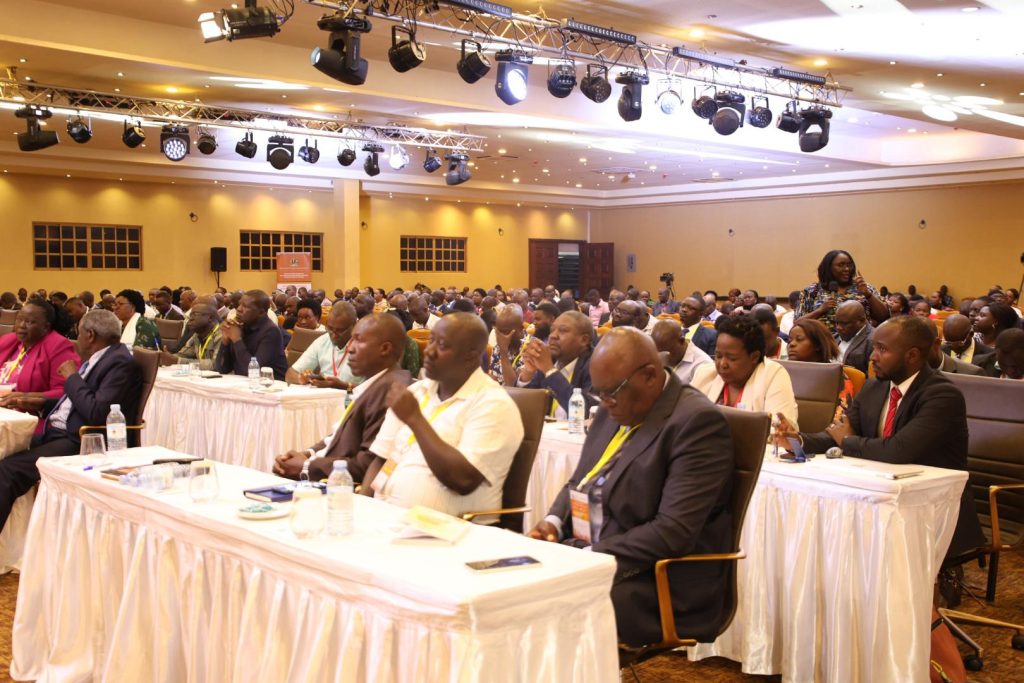
Speaking at the closure of the two-day National Urban Development Conference 2025 held at Speke Resort Convention Centre, Munyonyo, Stephen Ajalu, Task Team Leader at the World Bank, praised the local governments for delivering tangible results.
“The parameters and scorecards that we used to advance development support to these local governments will remain,” said Ajalu. “We see good results coming out from the entities that comply.”
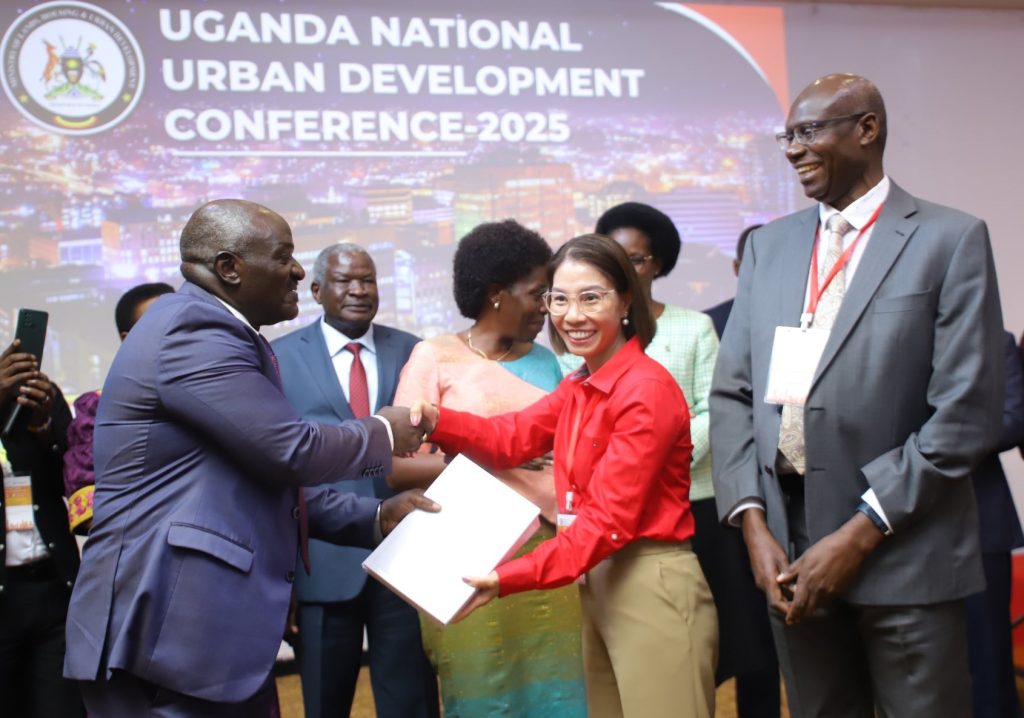
The conference, which ran from April 23rd to 24th, served as a platform to celebrate progress and share best practices in urban development.
State Minister for Urban Development, Obiga Kania, urged local governments to prioritize proper physical planning to create better urban spaces for both living and economic activity.
“Let us have no drawbacks. Let’s continue to enforce proper planning within our urban areas. This will make economic activities more efficient and profitable,” Kania emphasized.
The USMID program, supported with USD $360 million from the World Bank and implemented over 10 years (2013–2024), involved 10 regional cities, 22 municipal councils, and 11 refugee-hosting districts.
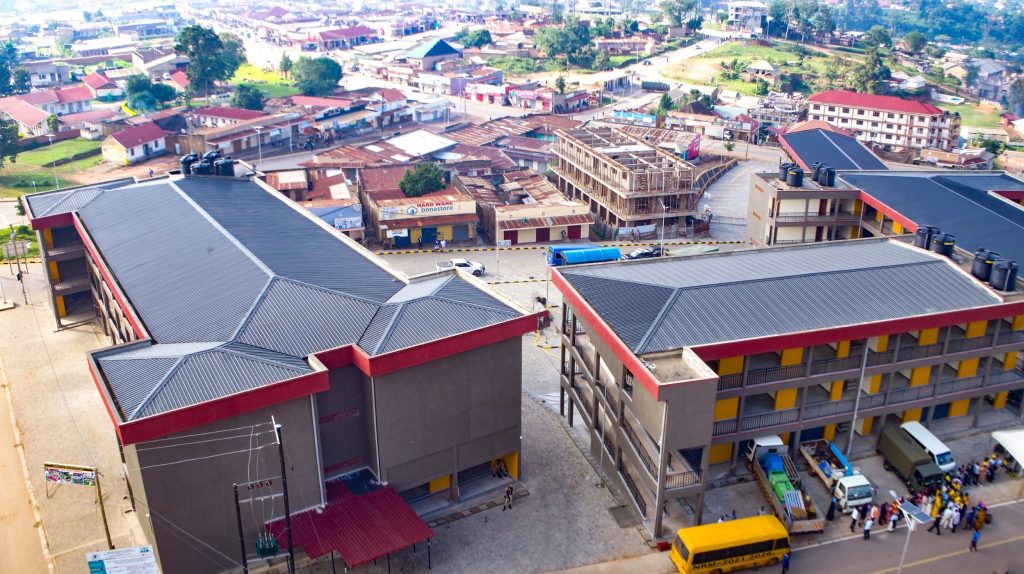
Local governments undertook critical infrastructure projects including roadworks, street lighting, taxi parks, markets, lockups, and resource centres.
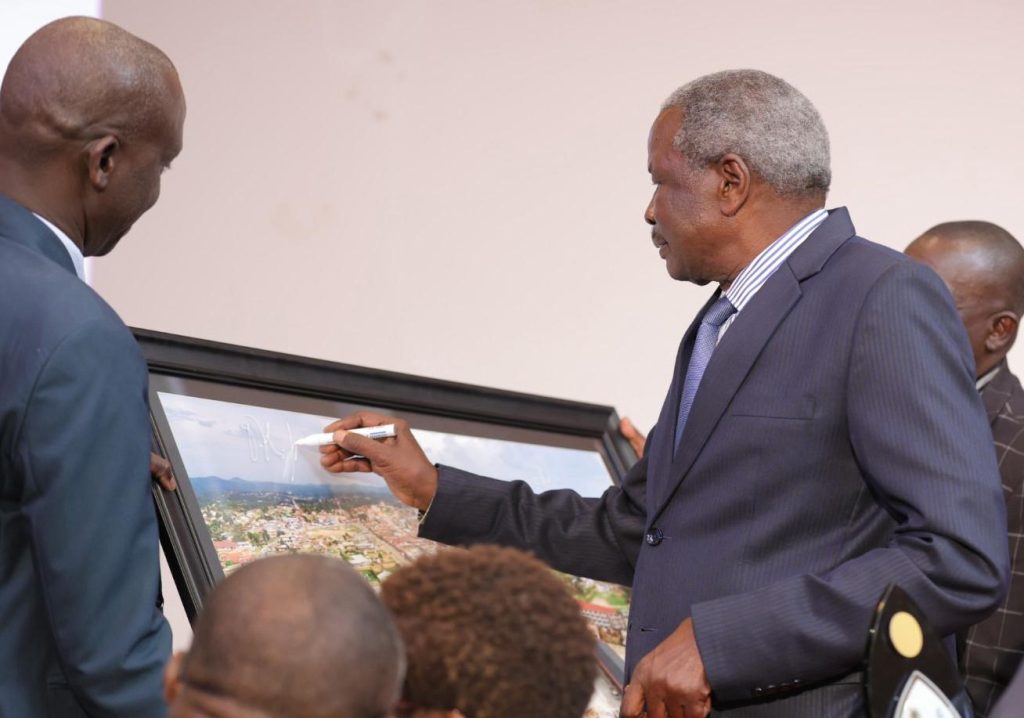
Among the top performers was Mubende Municipality, which led a group of nine local governments recognized for outstanding successes. Others included Gulu, Mbarara, Masaka, Kasese, Apac, Lira, Kamwenge, and Lamwo.
Mubende Municipality was lauded for its commitment to timely execution, teamwork, value for money, and strong community cooperation.
“We stuck to our plans, timelines, ensured teamwork, promoted value for money, and secured a lot of cooperation from our community that allowed right of way during project implementation,” said Eng. Ssekiziyivu Innocent, Mayor of Mubende.
Mubende was particularly recognized for its innovation in revenue mobilization. Through the implementation of the electronic Integrated Revenue Administration System (IRAS), the municipality significantly grew its own-source revenue from UGX 2.67 billion.
“Tonight, we celebrate excellence. Excellence in leadership. Excellence in service. Excellence in performance,” read a statement from the World Bank during the awards ceremony.
Under USMID’s result-based funding approach, local governments were rigorously assessed on performance in planning, procurement, transparency, and service delivery.
These assessments not only determined continued funding but also guided capacity-building interventions by the World Bank.
The conference marked the official closure of the USMID program and set the tone for future urban development strategies aimed at building resilient, inclusive, and well-managed cities in Uganda.