



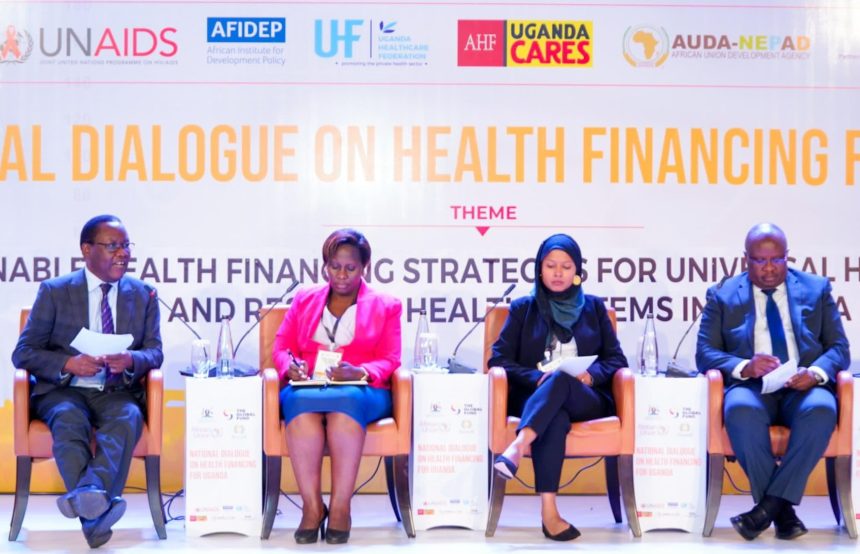
Uganda has launched a national dialogue on health financing under the theme “Sustainable Health Financing Strategies for Universal Health Coverage and Resilient Health Systems in Uganda.”
The high-level dialogue brings together key stakeholders in health, finance, and governance to chart a sustainable path for equitable and efficient health financing.
Sponsored by UNAIDS, CEHURD, The World Bank, AHF Uganda Cares, AUDA-NEPAD, Partners in Population and Development (PPD) Africa Regional Office, and the Uganda Healthcare Federation, the event seeks to galvanize commitment toward achieving Universal Health Coverage (UHC) and building resilient health systems across the country.
The dialogue, held in Kampala, aims to address persistent challenges in healthcare funding, including heavy reliance on out-of-pocket payments, limited government expenditure on health, and inefficiencies in resource allocation.
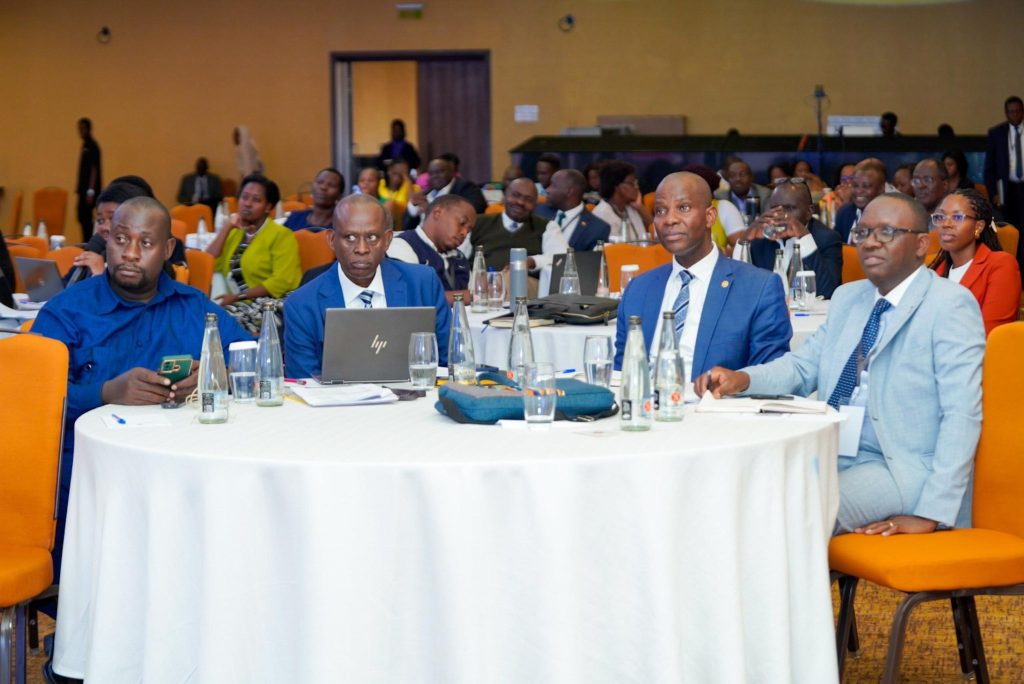
Stakeholders are expected to evaluate current financing gaps and propose practical strategies to mobilize domestic resources, enhance public-private partnerships, and streamline donor contributions.
The Undersecretary in the Ministry of Health Dr. Kenneth Akili, representing the Ministry of Health, emphasized the urgency of reform: “Achieving UHC requires not just increased funding, but smarter, more inclusive, and more sustainable investment in our health systems.”
Discussions also center around strengthening health insurance mechanisms, implementing progressive taxation, and improving accountability in public health spending.
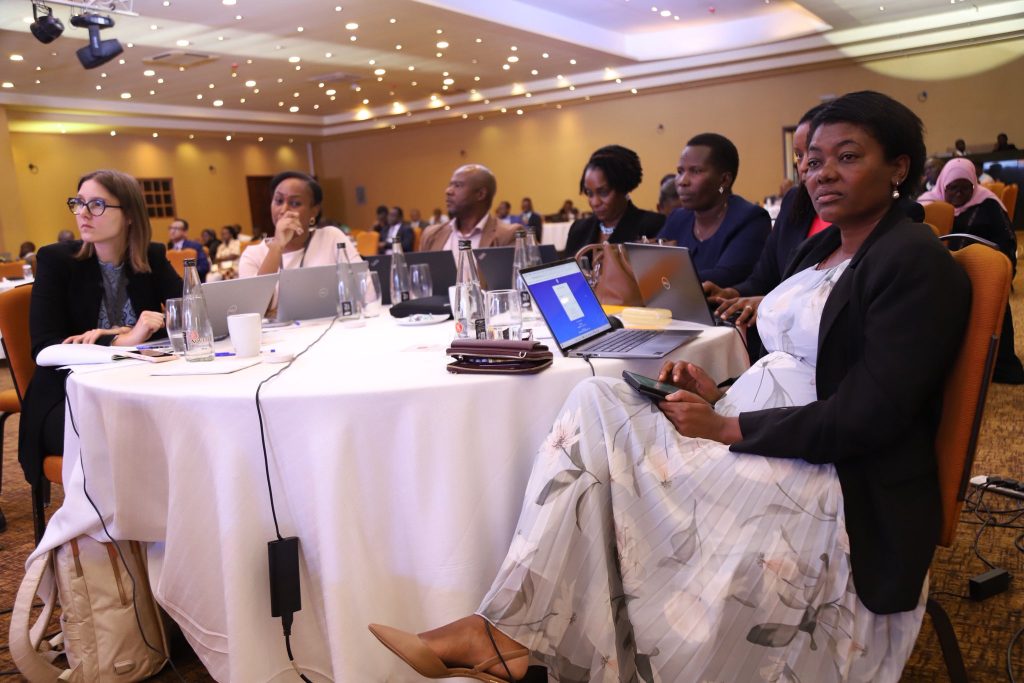
The forum creates a platform for knowledge sharing and collaboration among government officials, development partners, civil society organizations, private sector actors, and community representatives.
Ms. Fatia Kiyange, Executive Director of CEHURD, highlighted the importance of equity: “We must ensure that no Ugandan is denied access to essential healthcare due to financial hardship.”
The event is expected to culminate in a policy brief with actionable recommendations for government and partners. This will form the basis for a roadmap towards implementing effective, inclusive, and resilient financing frameworks tailored to Uganda’s health priorities.
As the country continues its journey toward UHC by 2030, the outcomes of this dialogue are expected to play a critical role in aligning national efforts with global health financing best practices.