



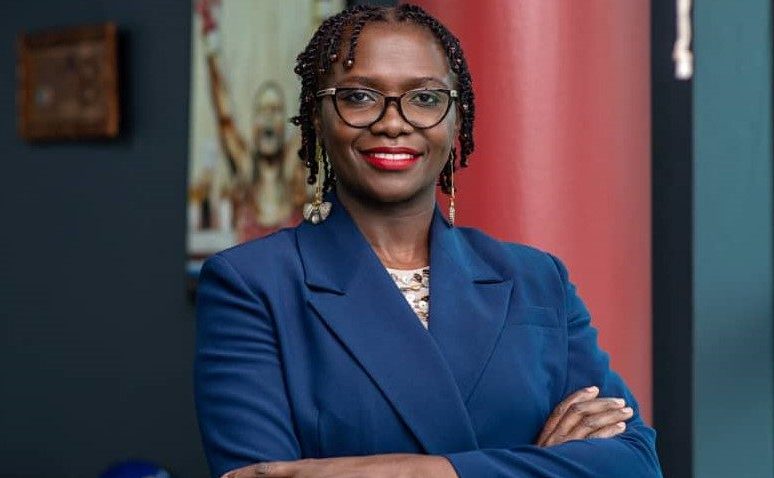
You have participated In the National Dialogue on Health Financing. What stood out to you most regarding HIV financing in Africa?
Dr. Iutung: Africa still carries the biggest burden of HIV and AIDS globally, with about two-thirds of people living with HIV residing here. The East and Southern Africa region alone accounts for 52% of the global HIV burden. What stood out to me is the critical need to sustain the gains made over the years, especially as donor funding has significantly declined. Many African countries, including Uganda, previously relied on donors for up to 80% of their HIV financing. If this gap isn’t addressed, estimates suggest we’ll need about $50 billion annually just for East and Southern Africa to maintain progress.
Was there consensus on the urgency or direction for future HIV funding?
Yes, there was strong agreement on the urgency. The dialogue highlighted the need for African governments to take charge of their health financing. Regional bodies like the African Union (AU), WHO, and the East African Community showed commitment to supporting these efforts. The consensus was clear: without increased domestic funding and innovative financing mechanisms, we risk reversing the progress made in reducing HIV deaths and new infections.
We’ve seen a gradual decline in external donor support for HIV. What alternatives should African countries explore to ensure sustainable financing?
Dr. Iutung: Countries must increase domestic health budgets to meet the Abuja Declaration target of allocating 15% of national budgets to health. Beyond that, innovative financing is crucial—such as “sin taxes” on alcohol and tobacco, or levies on sports betting. We also need to improve efficiency in health spending by reducing corruption, addressing health worker absenteeism, and eliminating service duplication.
Are there successful examples of domestic HIV funding models that could be scaled up?
Absolutely. South Africa funds about 80% of its HIV response domestically, while Botswana and Eswatini contribute 60% and 40%, respectively. These countries prove that sustained government commitment is possible. Others must follow suit by setting aside dedicated HIV budgets and exploring public-private partnerships.
What role is AHF Africa playing in helping governments close the HIV funding gap, especially in countries with high infection rates?
Dr. Iutung: AHF remains committed to supporting governments in program implementation, but we’re also elevating advocacy efforts. We work with civil society to hold governments accountable, push for policy changes, and amplify community voices. Additionally, we’re engaging in dialogues to bring stakeholders together, ensuring HIV remains a priority despite shrinking donor funds.
Is AHF shifting its own financing strategy or increasing advocacy at the policy level?
Our financial support to governments continues, but we’re intensifying advocacy. We must ensure commitments made in forums like this translate into action. That means monitoring follow-ups, pushing for policy implementation, and keeping HIV financing on national and regional agendas.
Did this dialogue signal any concrete shifts—new partnerships, increased budget commitments, or regional collaboration—that could impact the HIV response?
Dr. Iutung: Yes. The AU, regional WHO, and UN agencies demonstrated strong support for local health financing. Discussions also focused on policy harmonization and local manufacturing of medicines. The East African Community’s involvement was particularly encouraging, as regional cooperation can drive efficiency and resource mobilization.
How soon can we expect these shifts to translate into action on the ground?
The real test is follow-through. We must move quickly—HIV is a matter of life and death. AHF will monitor progress closely, ensuring commitments turn into tangible budget increases, policy reforms, and partnerships within the next year. The dialogue was a pivotal step, but sustained pressure is needed to prevent stagnation.
Final Thoughts:
Dr. Iutung: This meeting gave me hope, but hope alone isn’t enough. Africa must take ownership of its health financing—through government action, innovative funding, and regional collaboration. We cannot afford to lose momentum.
(End of Interview)