



A renewed sense of optimism is taking root in Fort Portal Tourism City and Kabarole District as BRAC Uganda rolls out its AIM 2.0 programme, supporting 696 adolescent girls and young women and reaching a further 1,500 community members through various empowerment initiatives.
The five-year programme—Accelerating Impact for Young Women in Africa (AIM 2.0)—aims to equip 1.2 million adolescent girls and young women across the continent with skills, resources, and mentorship to lift themselves out of poverty by 2030. In Uganda alone, the initiative benefits 10,500 girls and women across seven regions.
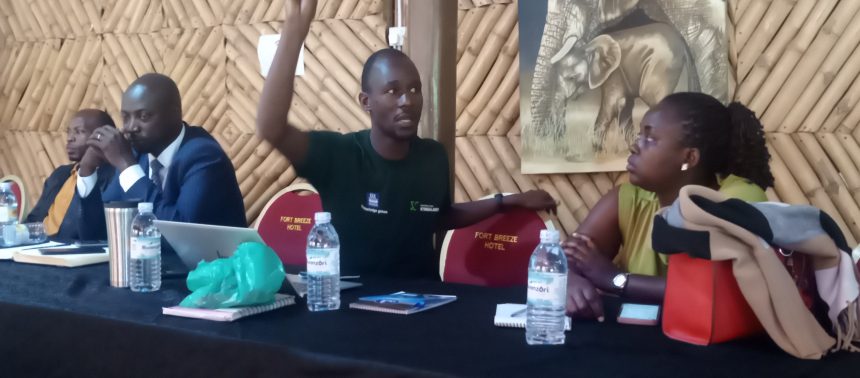
During a stakeholder sensitisation meeting held at Fort Breeze Hotel, BRAC officials highlighted how the programme integrates social and economic empowerment, educational support, and community advocacy to foster long-term transformation.
Fred Mwesigwa, Technical Support Officer at BRAC Uganda, said the programme introduces a cost-sharing model to strengthen ownership and reduce dependency on grants.
“AIM 2.0 introduces cost-sharing to foster dignity, build financial discipline, and motivate participation in high-value startups,” he explained. Beneficiaries aged 18–35 can access interest-free grants and cost-sharing funds ranging from USD 200–300 (UGX 702,000 to UGX 1.05 million), repayable within a year. Younger beneficiaries aged 15–17 and individuals with disabilities receive full grants under the economic empowerment component.
In Kabarole, BRAC operates in Rwengaju, Busoro, Mugusu, Mugusu Town Council, and Karambi, where adolescent and youth clubs offer mentorship, livelihood training, enterprise selection, hygiene and nutrition education, and support for village savings groups.
According to BRAC Fort Portal Branch Manager, Kyalisima Louise, these clubs play a critical role in equipping young people with practical skills to navigate social and economic challenges.
However, district leaders raised concerns about the programme’s exclusive focus on girls and women. Kabarole District Planner, Robert Binta, and education stakeholder Stephen Waddell urged BRAC to consider involving boys in future phases, warning that excluding them could exacerbate domestic tensions.
“Empowering girls without engaging boys could create challenges, including domestic violence,” they noted.
Deputy Resident District Commissioner, Benuza Jane, applauded BRAC’s work but encouraged stronger collaboration with local leaders to improve monitoring. She also called for broader training on nutrition, citing high malnutrition rates in the region.
“We appreciate BRAC for empowering young women, but I urge you to involve local councils and GISOs in monitoring these programmes,” she said.
AIM 2.0 is implemented in partnership with the Mastercard Foundation and currently supports 3,027 groups globally with 53,793 active members, generating USD 790,590 in economic support.
By equipping young women with business skills, financial support, and mentorship networks, the programme seeks to foster resilient communities and lay the foundation for a more equitable future.