



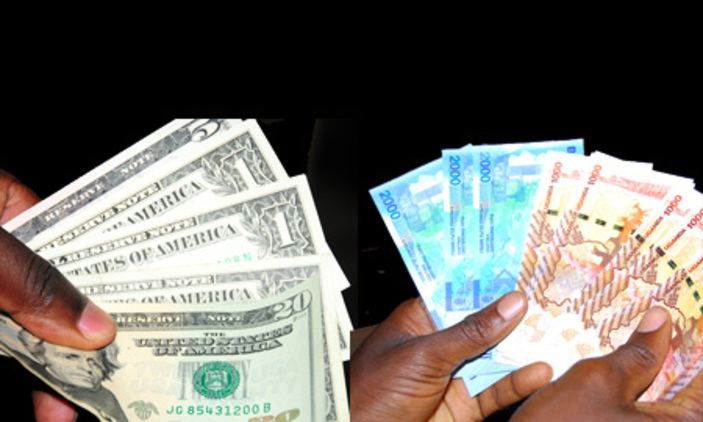
The Ugandan shilling is facing renewed pressure against the US dollar, reflecting heightened global economic uncertainty and shifting investor sentiment driven by geopolitical tensions.
On April 13, 2026, the local currency traded in the range of 3,730 to 3,770 against the dollar, marking a depreciation of about 1.02 percent in recent trading sessions. Market analysts attribute the decline to a surge in global demand for the US dollar, widely regarded as a safe-haven asset during periods of instability.
The latest weakness comes against the backdrop of escalating tensions in the Middle East, which have rattled global markets and pushed investors toward lower-risk assets. This shift has strengthened the dollar globally, creating additional pressure on emerging market currencies, including Uganda’s.
Currency traders in Kampala say the shilling has been volatile over the past few weeks, with demand for dollars outpacing supply, particularly from importers. The situation has been exacerbated by rising global oil prices, which are increasing Uganda’s import bill and further straining the local currency.
“Whenever oil prices rise sharply, we see immediate pressure on the shilling because importers need more dollars to finance fuel purchases,” said a foreign exchange dealer at a commercial bank in Kampala. “At the same time, global uncertainty is making investors more cautious.”
The Bank of Uganda has indicated it is closely monitoring developments in the foreign exchange market. The central bank has previously signaled its readiness to intervene through liquidity management measures if volatility threatens macroeconomic stability.
In earlier guidance, the central bank noted that it would “take appropriate steps to ensure orderly market conditions,” a move analysts interpret as a willingness to support the currency if pressures intensify.
Despite the current weakness, economists argue that the shilling retains underlying resilience, supported by steady export earnings, particularly from coffee, and improved economic activity in key sectors.
“The shilling has shown that it can recover quickly when external pressures ease,” said a Kampala-based economist. “What we are seeing now is largely driven by global factors rather than domestic fundamentals.”
Market watchers expect the currency to remain under pressure in the short term, with movements likely to mirror global oil prices and geopolitical developments in the coming weeks.