



Uganda has cleared the way for Starlink to begin operations, marking a significant step in the country’s push to expand digital connectivity through satellite internet, even as regulators tighten oversight on security and taxation in the telecom sector.
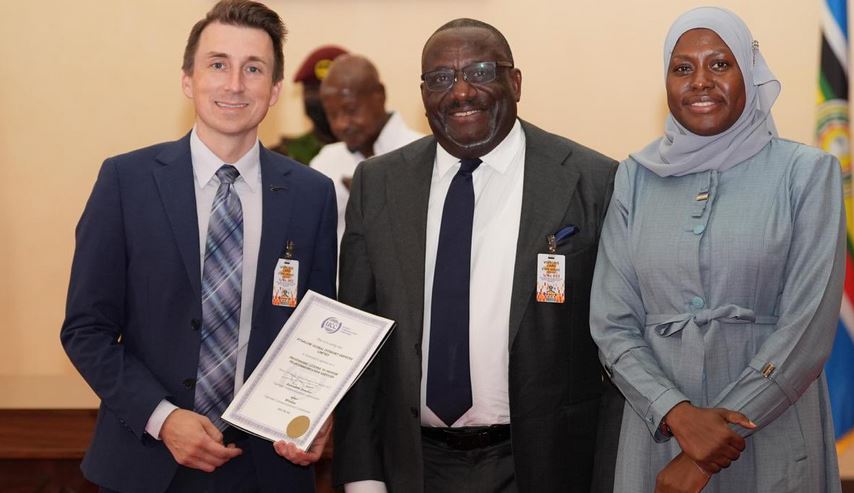
President Yoweri Museveni said he witnessed the signing of a Memorandum of Understanding and operational licensing agreement between the Uganda Communications Commission (UCC) and Starlink, the satellite internet company owned by Elon Musk’s SpaceX.
The agreement paves the way for the firm’s entry into a market where broadband penetration remains uneven, particularly outside urban centers.
“Our interest is security, revenue assurance, and proper accountability within the telecommunications sector so that we know who is operating and who the customers are,” Museveni said, adding that Starlink had agreed to comply with Uganda’s regulatory framework as it prepares to launch services.
The deal positions Uganda among a growing number of African markets opening up to low-Earth-orbit satellite providers, which are increasingly challenging traditional telecom operators by bypassing ground-based infrastructure constraints.
Starlink’s model, which relies on a constellation of satellites to deliver high-speed internet, is seen as particularly suited to rural and remote regions where fibre rollout is costly and mobile coverage remains patchy.
For Uganda, the agreement comes as policymakers intensify efforts to accelerate digital transformation, expand e-government services, and support innovation-driven economic growth.
Officials at the UCC are expected to enforce compliance around licensing, user registration, and data governance as part of the operational framework governing Starlink’s entry.
The development also raises competitive implications for incumbent telecom operators, who have invested heavily in fibre networks and mobile broadband infrastructure.
Satellite internet could introduce pricing pressure and reshape service expectations, especially in underserved districts where connectivity gaps remain a persistent constraint on economic activity.
While the government has framed the agreement in terms of regulatory control and security oversight, the entry of Starlink defines a broader structural shift in Africa’s internet market, where satellite-based providers are increasingly filling infrastructure gaps faster than terrestrial networks can expand.
Operational timelines for commercial rollout have not been disclosed, but the signing of the agreement signals that Uganda is moving from regulatory engagement to implementation, setting the stage for a new phase in the country’s internet ecosystem.