



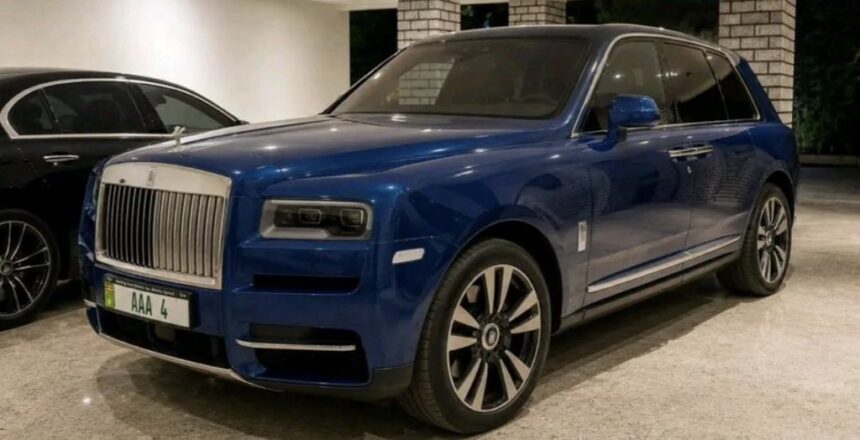
For most consumers, a car is transportation. For a buyer of a Rolls-Royce, it is something far more psychological: silence, separation from the public, and a declaration of status that few brands in the world can match.
The modern luxury market has evolved beyond horsepower and leather interiors. Wealthy buyers are no longer simply purchasing engineering. They are purchasing emotional experiences, exclusivity and, increasingly, insulation from the noise of everyday life.
A Rolls-Royce represents that insulation better than perhaps any other automobile brand.
Inside a Rolls-Royce cabin, the world becomes quieter — literally and symbolically. Engineers at the British marque obsess over reducing vibrations, road noise and even the sound of climate systems. The result is what executives and owners often describe as a “magic carpet ride,” where the outside world feels distant.
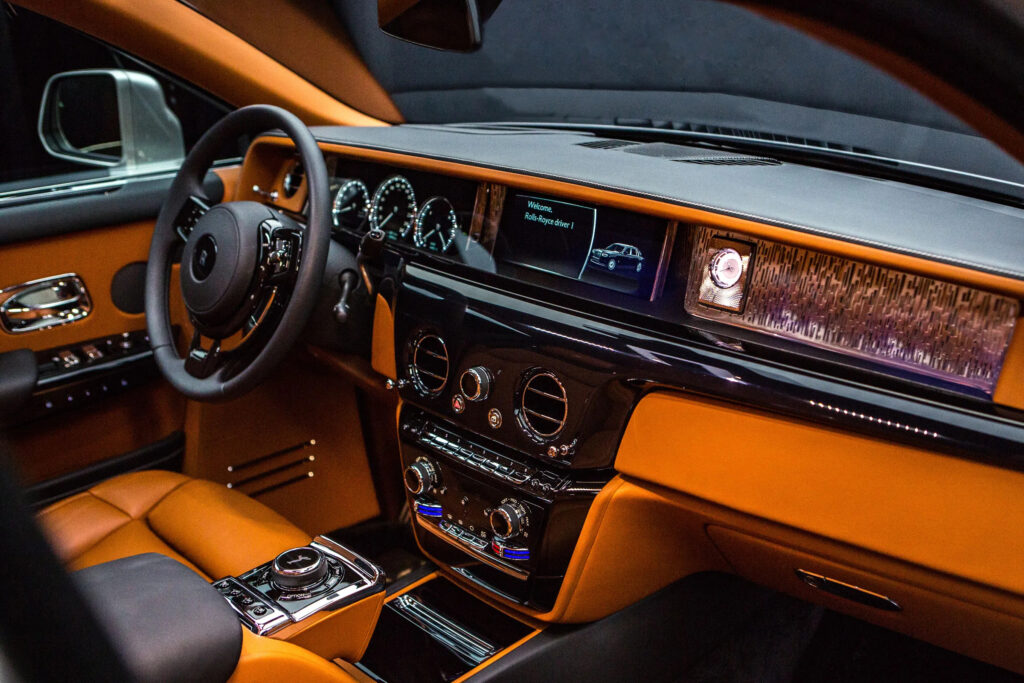
That distance is precisely the point.
For ultra-high-net-worth individuals, luxury is no longer about visibility alone. It is about control over access. A Rolls-Royce owner is not trying to appear wealthy in the same way a sports car owner might. Instead, the vehicle communicates permanence, authority and old-world prestige.
In many emerging markets, including across Africa and the Middle East, the vehicle has increasingly become associated with political power, generational wealth and executive influence. It is less about speed and more about arrival.
The psychology behind the purchase is deeply tied to exclusivity. Unlike mass luxury brands that chase volume growth, Rolls-Royce deliberately limits production, maintaining scarcity as part of its appeal. Customization can stretch from personalized embroidery to bespoke paint colors inspired by family heritage, private jets or even favorite cigars.
That business model has helped transform luxury from manufacturing into identity creation.
The company’s buyers are also becoming younger. Entrepreneurs in technology, finance, logistics and entertainment are increasingly entering a market once dominated by royalty and old industrial families. Yet the motivation remains similar: creating distance from ordinary consumer culture.
In an era of social media oversharing and hyper-visibility, extreme luxury is shifting toward privacy and calm. The ultimate status symbol is no longer loudness. It is the ability to withdraw from noise entirely.
That may explain why the world’s wealthiest consumers continue paying hundreds of thousands of dollars for a vehicle that, on paper, performs many of the same functions as a far cheaper car.
A Rolls-Royce buyer is not purchasing transportation.
They are purchasing silence, status and the rare privilege of distance from the world around them.