



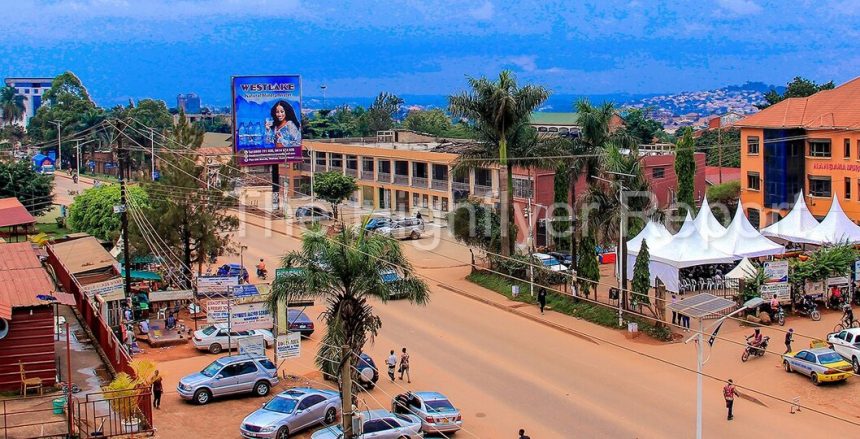
Despite Uganda’s female population outnumbering men by 1.2 million, some districts, including Wakiso and Kampala, are experiencing a surprising shortage of women.
According to recent demographic data, at least 25 districts across the country have fewer women than men, challenging the national trend.
Experts attribute this imbalance to various factors, including internal migration, economic opportunities, and social dynamics.
Urban districts like Wakiso and Kampala attract young men in search of jobs, while many women tend to remain in rural areas due to cultural expectations or responsibilities.
Additionally, economic migration to other parts of the country, including trade hubs and agricultural regions, has contributed to the uneven gender distribution.
This phenomenon has sparked discussions about its potential social and economic impact. “The shortage of women in these districts could affect marriage patterns and household structures,” said a sociologist from Makerere University.
Local leaders are calling for policies that support balanced development to encourage more women to settle in urban areas. As Uganda continues to grow, addressing such demographic shifts will be crucial in ensuring equitable opportunities for all.