



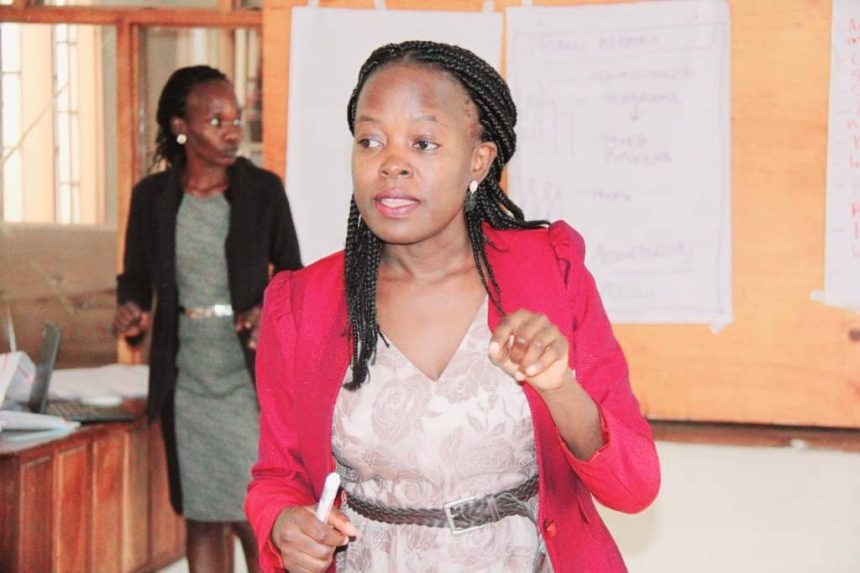
Journalists have been urged to take a more proactive and intentional approach to public affairs reporting, particularly in the lead-up to elections, to ensure greater accountability and informed decision-making among the public.
Speaking at a media training workshop, Jan Ajwang, a facilitator with Media Focus on Africa, emphasized the importance of comprehensive and continuous coverage of governance issues. The workshop, attended by journalists from northern and central Uganda, focused on improving public affairs reporting, with a strong emphasis on the role of women in media.
“The purpose of responsive public affairs reporting is that you have to be very intentional about what you are reporting and who you are including in the stories,” Ajwang stated. She cautioned against journalists being distracted by isolated events without conducting in-depth analysis of underlying causes, key actors, and broader implications.
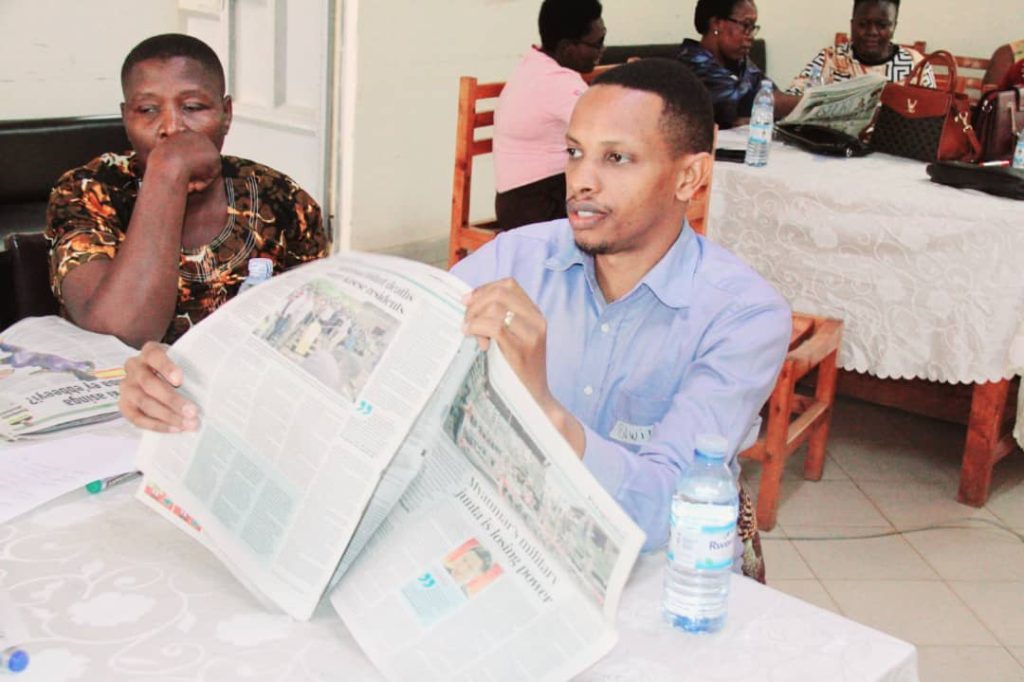
Ajwang stressed that political commitments made by governments must be tracked throughout an election cycle, rather than receiving attention only in the final weeks before voting.
“Journalists must deploy their minds and their attention all through the election cycle. When awareness is raised about issues early, action is taken, and changes happen,” she explained.
She noted that failure to conduct continuous scrutiny of governance could lead to the re-election of leaders without proper accountability. In contrast, in areas where journalists have consistently highlighted governance shortcomings, voters have been better informed in their electoral choices.
Challenges in Public Affairs Reporting
Ajwang acknowledged the financial constraints that hinder journalists from effectively following up on stories related to governance and accountability.
“It is an expensive process to pursue crime stories, court cases, and community issues. Media owners and actors should provide more funding for public affairs reporting,” she urged.
She also pointed out the dangers faced by journalists when reporting on powerful figures or financial matters, emphasizing the need for stronger protections and a safer working environment.
“Following budgets and holding certain powerful people accountable requires journalists to be safe. We must invest in ensuring their protection so they can report freely and return safely.”
The facilitator also called for continuous training to equip journalists with specialized skills in covering different areas such as environmental issues and youth affairs. “Journalists must be prepared with more hands-on skills to tackle diverse topics,” she added.
The workshop organized by the Uganda Media Women Association with support from the Finnish Foundation for Media & Development (VIKES) underscored the crucial role of the media in driving accountability and transparency in governance.