



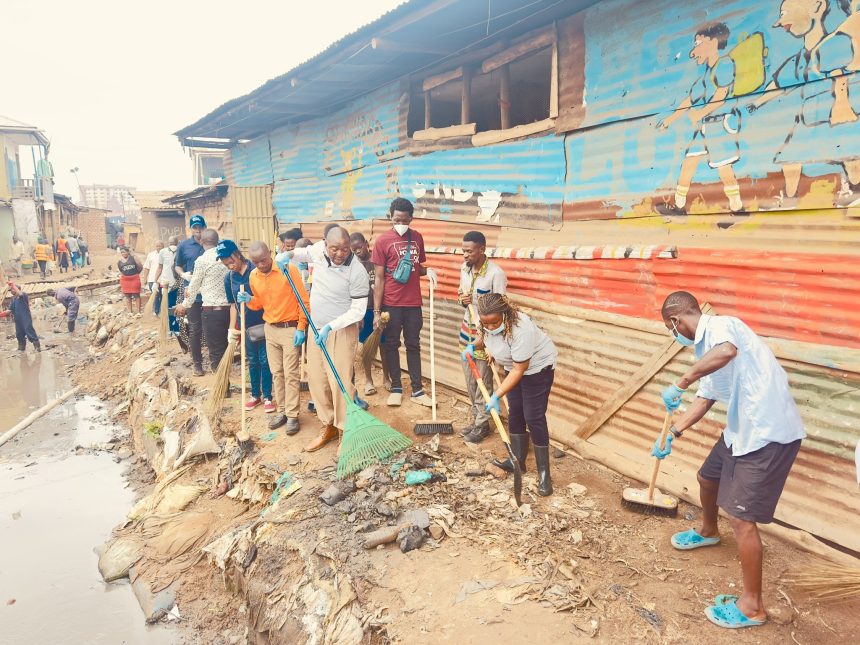
The Ministry of Health has launched National Sanitation Week 2025 with a strong call for individual and collective responsibility in improving hygiene and sanitation across the country.
The event, held in Katanga, Kawempe Division, was officiated by Health Minister Dr. Ruth Aceng, alongside Minister of State for Primary Health Care Margaret Muhanga, Director General of Health Services Dr. Olaro Charles, and other key stakeholders.
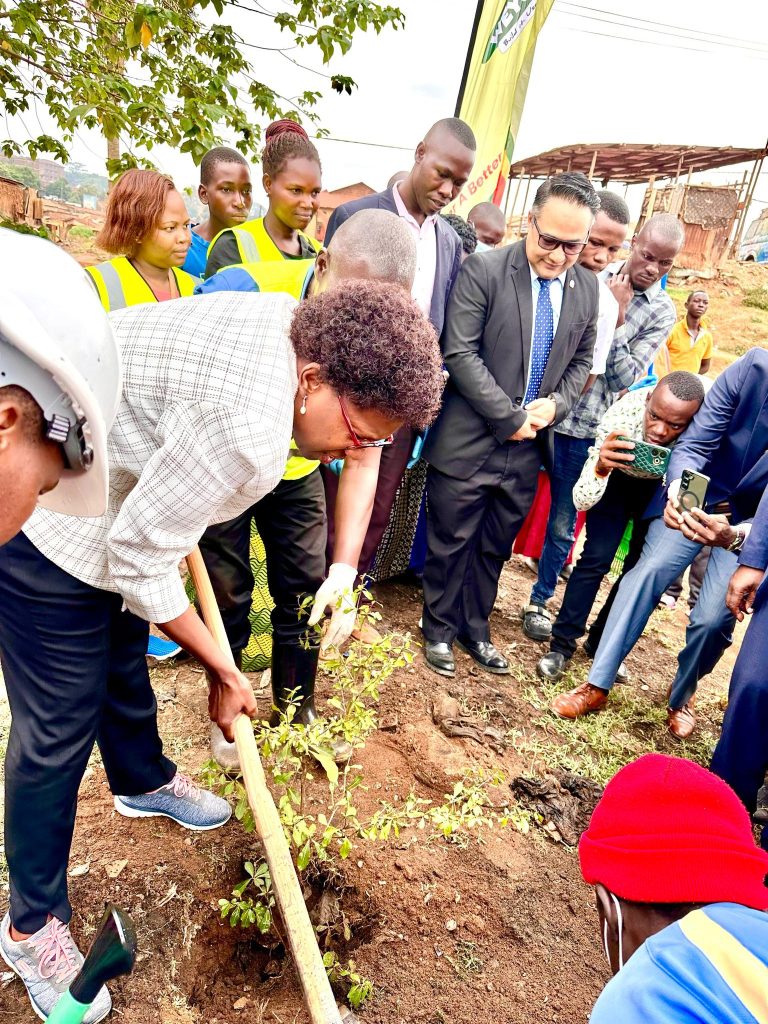
Dr. Aceng marked the occasion by planting a tree, underscoring the connection between environmental conservation and public health.
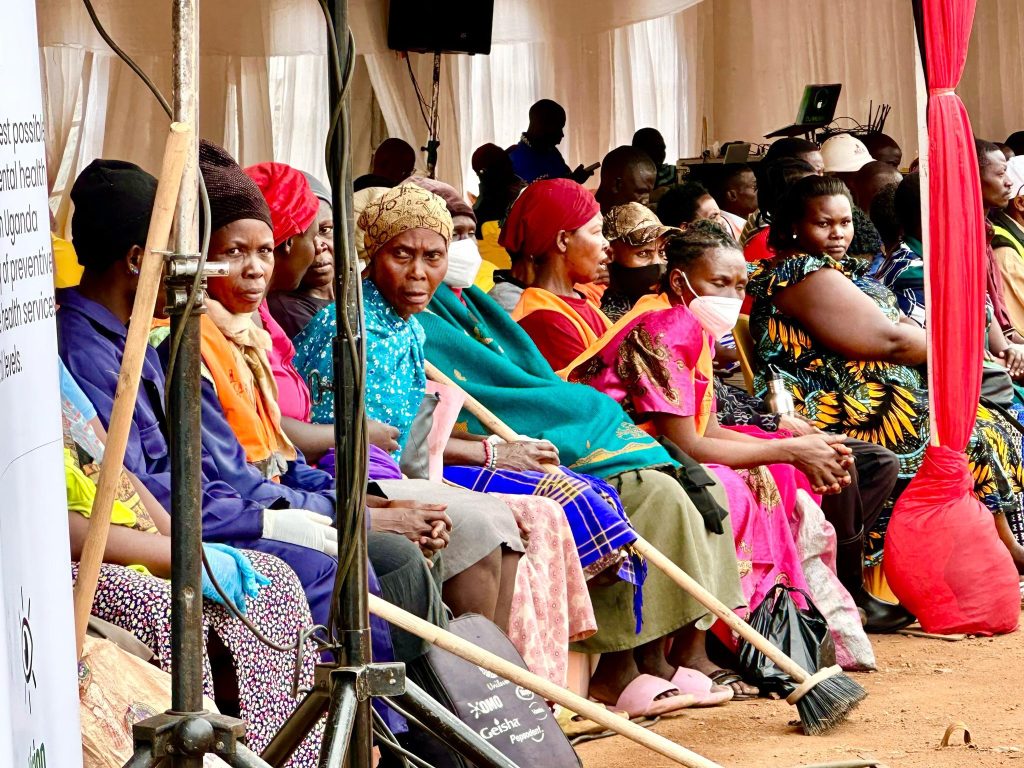
“Trees absorb carbon dioxide and release oxygen, improving air quality and combating climate change,” she emphasized. The launch also featured a large-scale community clean-up and free tuberculosis screenings conducted by health workers.
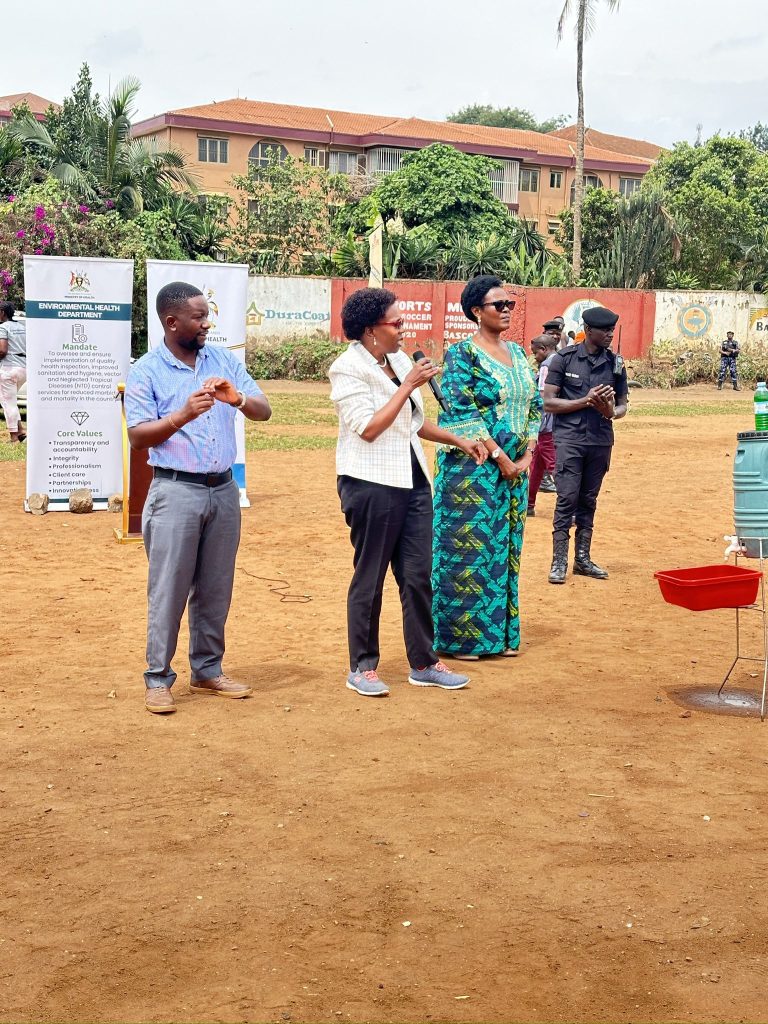
Addressing attendees, Dr. Aceng highlighted the critical role of sanitation in public health. “A healthy nation is a wealthy nation. By prioritizing cleanliness and sanitation, we reduce disease, cut healthcare costs, and improve overall well-being.”
Ministry of Health Permanent Secretary Dr. Diana Atwiine reinforced the government’s commitment to tackling sanitation challenges.
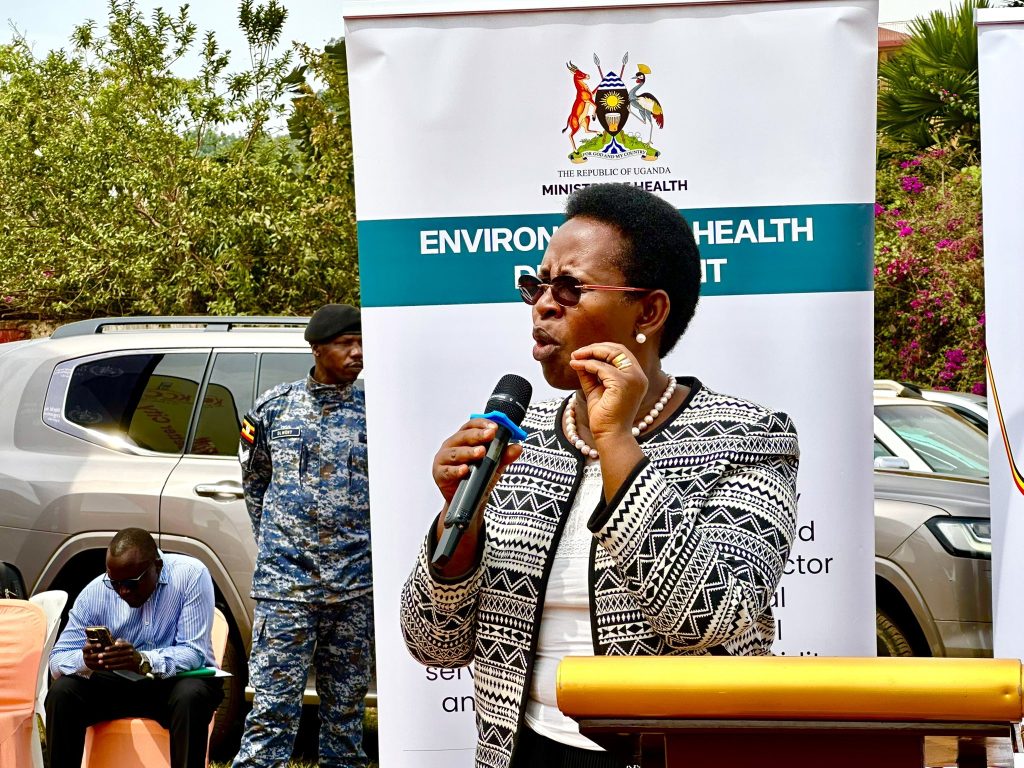
“Under the theme ‘Sanitation & Hygiene, Our Collective Responsibility,’ we are mobilizing communities for clean-ups, hygiene education, and the distribution of essential sanitation supplies. We urge all Ugandans, especially those in densely populated areas, to maintain hygiene as a means to prevent disease and ease the burden on the healthcare system.”
The Kampala Capital City Authority (KCCA) announced new measures to enhance waste management. The Deputy Executive Director revealed that two cesspool trucks would be procured to help evacuate and properly manage fecal sludge in designated areas.
Furthermore, plans are underway to acquire ten additional garbage trucks in the next financial year to improve waste collection in the city.
National Sanitation Week serves as a reminder that sanitation and hygiene are fundamental to public health. By taking responsibility for their surroundings, Ugandans can contribute to a cleaner, healthier, and more sustainable future.