



At least 31 opposition Members of Parliament have signed a resolution rejecting President Yoweri Museveni’s Shs100 million cash “gift,” which was reportedly offered to each ruling NRM party MP, as well as select independents and so-called “friendly” opposition legislators.
The move has sparked public outrage and renewed criticism of the Ugandan Parliament, which is increasingly being labeled by critics as a “House of Deals.” According to credible sources, several MPs quietly picked up the funds between Monday night and Tuesday morning, drawing accusations of bribery and political manipulation at the expense of taxpayers.
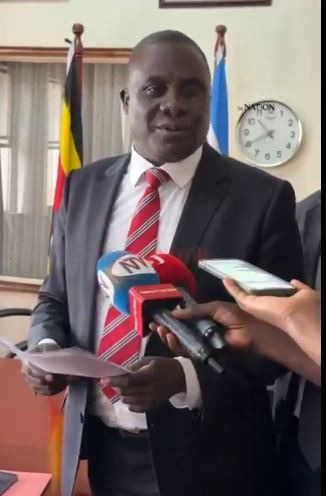
“This is outright abuse of public funds,” Hon.Muwanga Kivumbi stated. “We cannot be part of a scheme that compromises the integrity of this House and deepens the culture of transactional politics.”
The Shs100 million handout—coming at a time when the country grapples with economic challenges including inflation and underfunded public services—has triggered a fresh wave of condemnation from civil society, anti-corruption bodies, and a disillusioned public.
While government officials have remained tight-lipped on the exact purpose of the funds, some NRM-leaning MPs have defended the payout, claiming it was meant to “facilitate constituency work.” However, no official documentation has been presented to justify the sudden disbursement, and critics argue that the timing and secrecy of the process point to a deeper political motive—possibly to consolidate loyalty ahead of key legislative votes.
The resolution by the 31 opposition MPs not only distances them from the scandal but also calls for a full investigation into the source and intent of the money. They are demanding transparency and accountability, with some pushing for the Auditor General and Inspectorate of Government to step in.
This latest controversy adds to a growing list of scandals tarnishing the reputation of Parliament, raising concerns over governance, ethical leadership, and the use of public funds in Uganda’s political arena.
As the story unfolds, pressure is mounting for those who accepted the money to come clean—and for Parliament to prove it can still serve the public interest.