


In a timely and crucial dialogue on the future of Africa’s health security, AIDS Healthcare Foundation (AHF) Cares and Resilient Action Network Africa (RANA) convened a high-level webinar focused on enhancing civil society organizations’ (CSOs) involvement in responding to emerging infectious diseases across the continent.
The virtual event brought together public health experts, civil society leaders, and policy advocates to reflect on the increasing threat of pandemics in Africa and explore practical strategies for strengthening CSO participation in prevention, preparedness, and response frameworks.
Africa continues to grapple with rising cases of emerging and re-emerging infectious diseases such as Ebola in Sierra Leone, Mpox in Nigeria, and the looming threat of Marburg in Tanzania. Coupled with weak health systems, limited financing, climate change, and competing development priorities, the continent remains vulnerable to future outbreaks.
The COVID-19 pandemic laid bare significant gaps in global and regional health responses, from unequal vaccine access to inadequate infection prevention and control measures at the community level. Despite these challenges, civil society proved instrumental in mobilizing resources, disseminating information, and supporting vulnerable populations.
“There are already frameworks in place that define the roles CSOs can play,” the organizers emphasized. “Now is the time to rethink and strategize how to embed CSO participation more meaningfully at national, regional, and continental levels.”
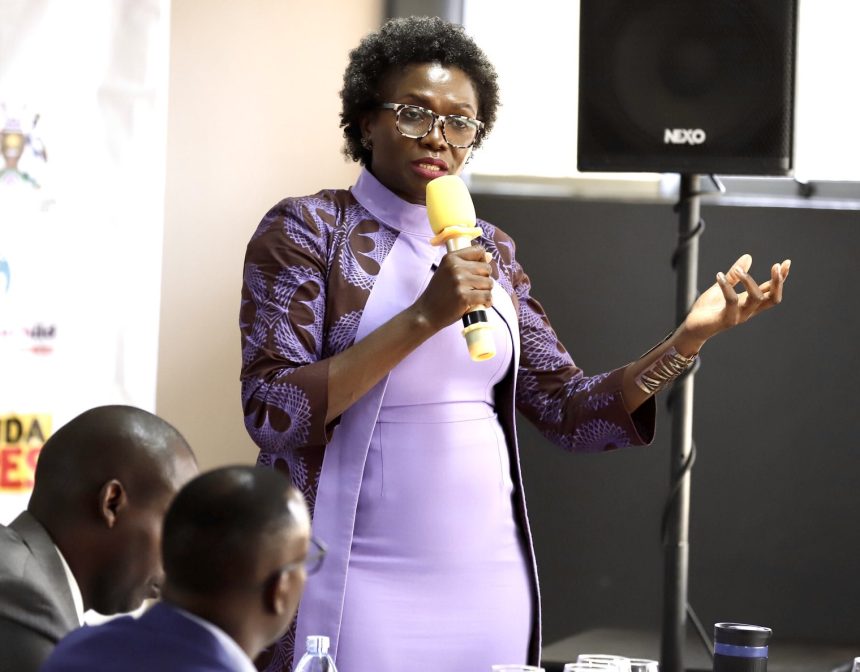
Keynote speaker Dr. Penninah Iutung, AHF Africa Bureau Chief, delivered an inspiring address referencing a historic development at the World Health Assembly, where 124 WHO member states adopted a landmark pandemic agreement.
“Yesterday’s adoption is proof that what once seemed insurmountable can be achieved. For Africa, this is a major opportunity,” said Dr. Iutung. “It reaffirms the value of collective action and underscores the vital role of civil society in shaping pandemic policy, implementation, and accountability.”
Dr. Iutung highlighted several critical areas where CSOs must continue to lead in fostering community Trust and Access.
“In countries like Sierra Leone, CSOs became trusted sources of health services during the Ebola crisis, thanks to long-standing networks and community engagement. This localized trust remains essential in building resilient health systems.
She added that CSOs are key to holding governments and health institutions accountable. “By supporting and monitoring the implementation of pandemic agreements, civil society can bridge the gap between communities and leadership,” she stated.
While emphasizing the role of advocacy in domestic health financing she cautioned that as Africa shifts toward increased domestic financing for health, advocacy will be central in ensuring community voices influence how resources are allocated and policies are shaped.
Despite their impact, civil society actors face mounting challenges—including shrinking civic space and reduced global health funding.
The call now is to governments and global partners to ensure CSOs retain a seat at the table in all critical health decision-making platforms.