




A panel of economic, tax and financial experts convened by Ernst & Young (EY) Uganda has described the 2024/2025 national budget as rich with opportunity—but warned that Ugandans must embrace transparency, formalization, and fiscal discipline to benefit fully from it.
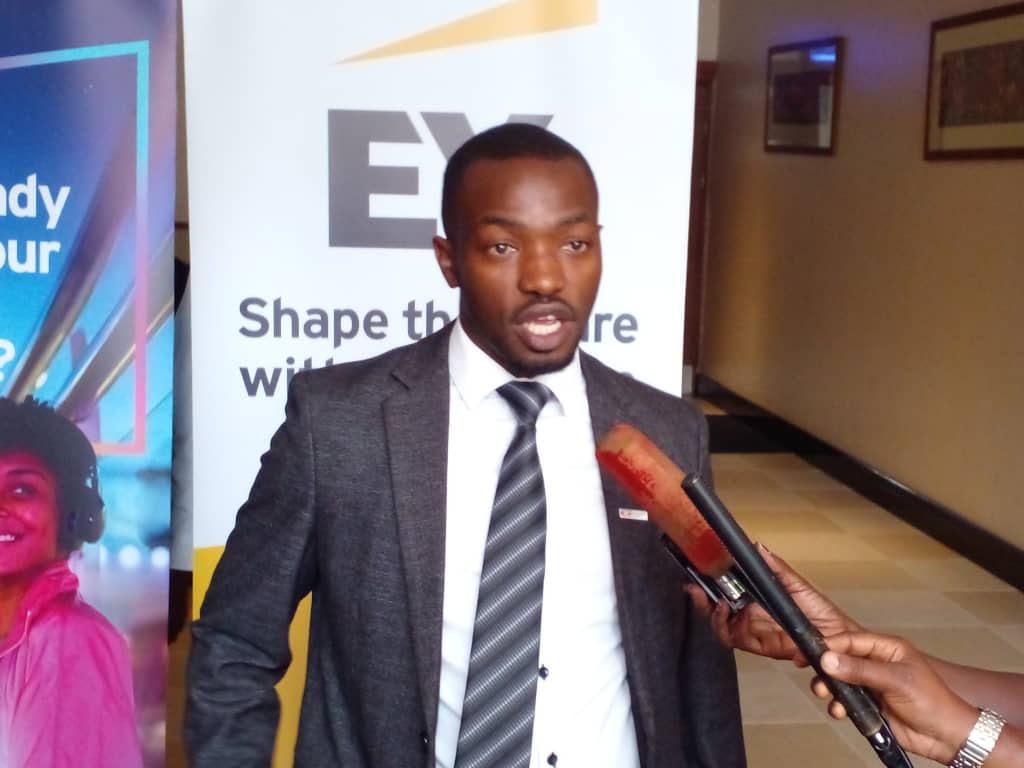
Speaking during the budget dialogue, Muhammed Moses Ssempijja a Tax Partner and Country Leader at Ernst & Young Uganda, emphasized the importance of proper bookkeeping and formal business registration.

“There is bread on the table, but wash your hands clean,” he said, noting that informal practices like rule-bending and under-declaration are increasingly unsustainable.
A major highlight from the budget is the planned expansion of the tax base, which will now require every Ugandan with a National ID to obtain a Tax Identification Number (TIN) starting July 1. While this move aims to broaden the revenue base, experts warned it may register individuals outside the money economy.
“33% of Ugandans are not earning income but will still be captured under the tax system,”noted Robert Mbaziira, a Tax Manager at EY.
The budget allocates substantial funds towards wealth creation, including recapitalization of Uganda Development Bank (UDB), expanded Parish Development Model (PDM) funding, and targeted allocations for vulnerable groups such as persons with disabilities.
However, Hamza Ssali, a Senior Manager in the Tax department criticized inefficiencies in disbursing these funds. “Last year, many eligible PDM beneficiaries never received support,” noted Ssali, calling for streamlined access and transparency.

Credit is becoming increasingly scarce and expensive, particularly for small and medium enterprises (SMEs). As more credit is directed toward other sectors or dries up, the cost of borrowing rises, making it harder for SMEs to access affordable loans.
To address this, Patricia Muganga, CFO Centenary Bank suggests that banks and lending institutions should partner with credit guarantee schemes—organizations or mechanisms that reduce the risk for lenders by assuring repayment if borrowers default. These partnerships could help lower the cost of credit by sharing risk and improving access for SMEs.
“So, things like partnership with schemes, that would be a good route to take. The other one of credit, again, we see so many of these fintechs coming on board. We can get credit on our phones.So, there’s a lot of access and for us as banks, I think that is good. What we need is to just partner with those kind of technology,” Muganga revealed, adding that the future of liquidity would depend on how good the partnerships are and the ability to efficiently liquidate as and when.
Dr. Adam Mugume, Executive Director Research & Policy, Bank of Uganda, reacted on Uganda’s oil prospects, economic risks, mineral potential, and inefficiencies in government expenditure with a call for both optimism and caution—while Uganda has promising economic opportunities, realizing them requires sound fiscal management, transparency, and strategic planning.
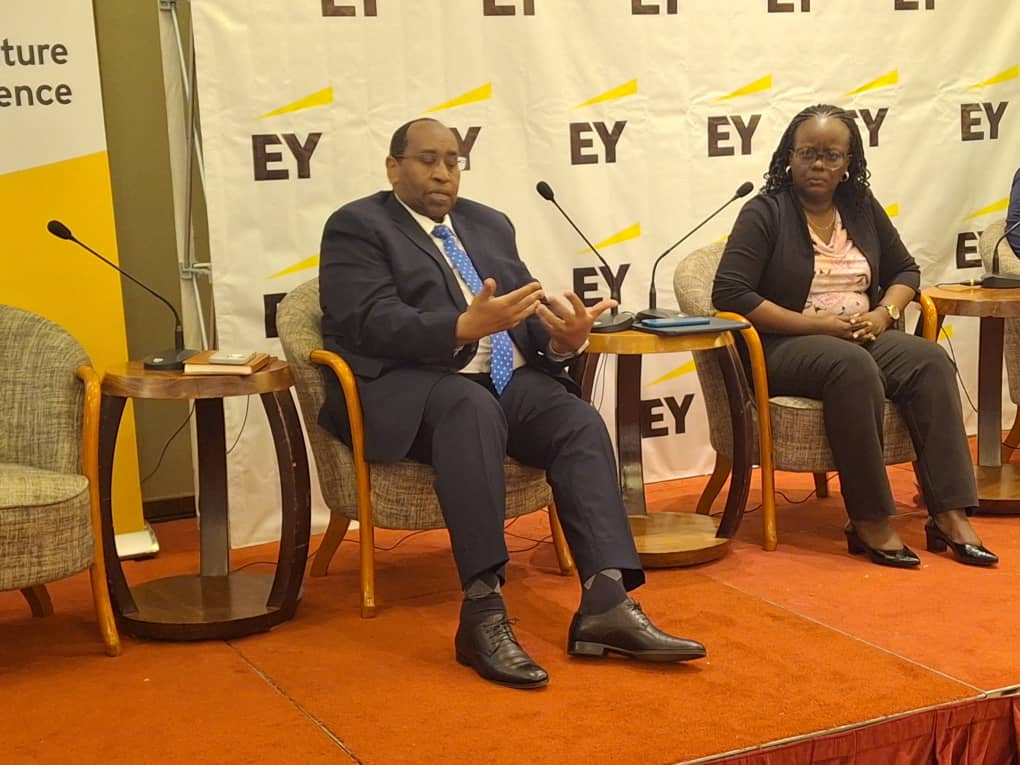
“Uganda’s oil sector is progressing well, and all indications point to the commencement of oil production by the third quarter of 2026. However, this optimism must be tempered with caution, as the viability of oil revenue hinges on global market prices. Should international oil prices fall below $50 per barrel, the country risks incurring losses.”
“Beyond oil, Uganda’s mineral wealth—particularly in gold—offers another strategic opportunity for economic growth. Government investment in the mining sector could significantly boost national revenue and diversification.”
“However, for these opportunities to translate into real economic benefits, government efficiency must drastically improve. Persistent delays in public projects, such as stalled roads due to unpaid compensations, are indicative of systemic inefficiencies. These shortcomings not only hamper service delivery but also contribute to the alarming accumulation of arrears.”
“Currently, government arrears stand at UGX 1.4 trillion, a figure that raises serious concerns. Under Uganda’s cash budget system, public entities are not allowed to commit funds without actual cash availability. Therefore, the existence of such arrears suggests fiscal indiscipline or mismanagement that must be urgently addressed. Transparency and accountability are crucial to ensuring these arrears are explained and future occurrences prevented,”remarked Mugume.
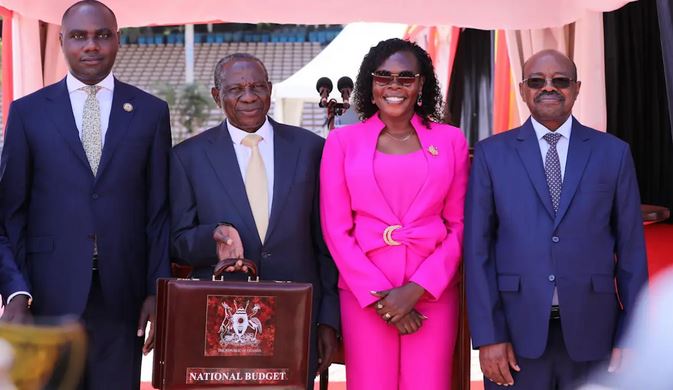
Agriculture, despite contributing over 24% to GDP and employing more than 60% of the population, received only 2.5% of the budget. “This allocation is far too low if agriculture is truly the engine for economic transformation,” said Ssempija, urging for stronger support under the NDP4 development agenda.
Concerns were also raised over the disaggregation of group imports—a practice common among small traders—now subject to individual VAT compliance. While intended to improve revenue collection, panelists warned this could overburden small traders with complex tax requirements.
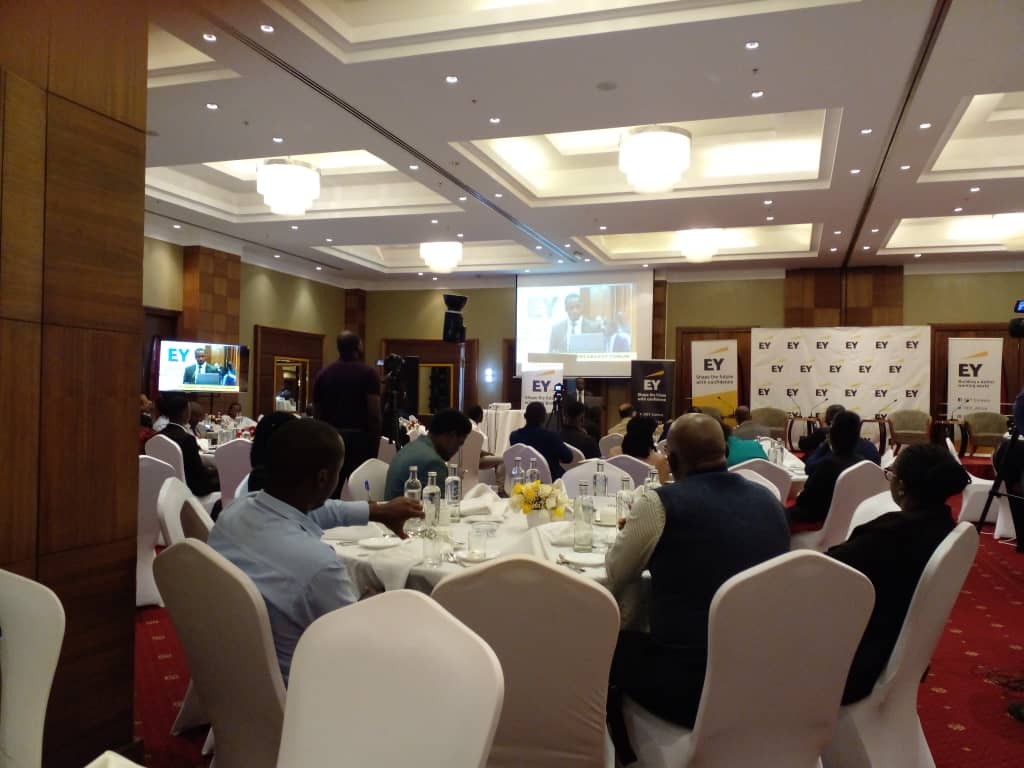
Additionally, experts called for enhanced efficiency in public spending, especially around stalled infrastructure projects and the growing backlog of government arrears. “We must confront the inefficiencies in how public funds are committed and spent,” according to BOU’s Dr.Adam Mugume.
With Uganda’s oil production projected to begin in 2026 and minerals like gold offering additional promise, speakers stressed that the success of the budget lies not in allocations alone, but in execution, accountability, and ensuring that borrowing yields productive returns.