




CWG Uganda has celebrated 15 years of operations, marking a milestone in its journey of innovation, capacity building, and contribution to Uganda’s digital economy.
The anniversary event, held in Kampala, brought together staff, partners, government representatives, and industry leaders to reflect on the company’s impact and its vision for the future.
Peter Tumusiime, the Country Manager of CWG Uganda, who reflected on the challenges and triumphs that defined the company’s growth. He recalled how CWG entered a market dominated by players with decades of experience, making it difficult to gain trust from clients.
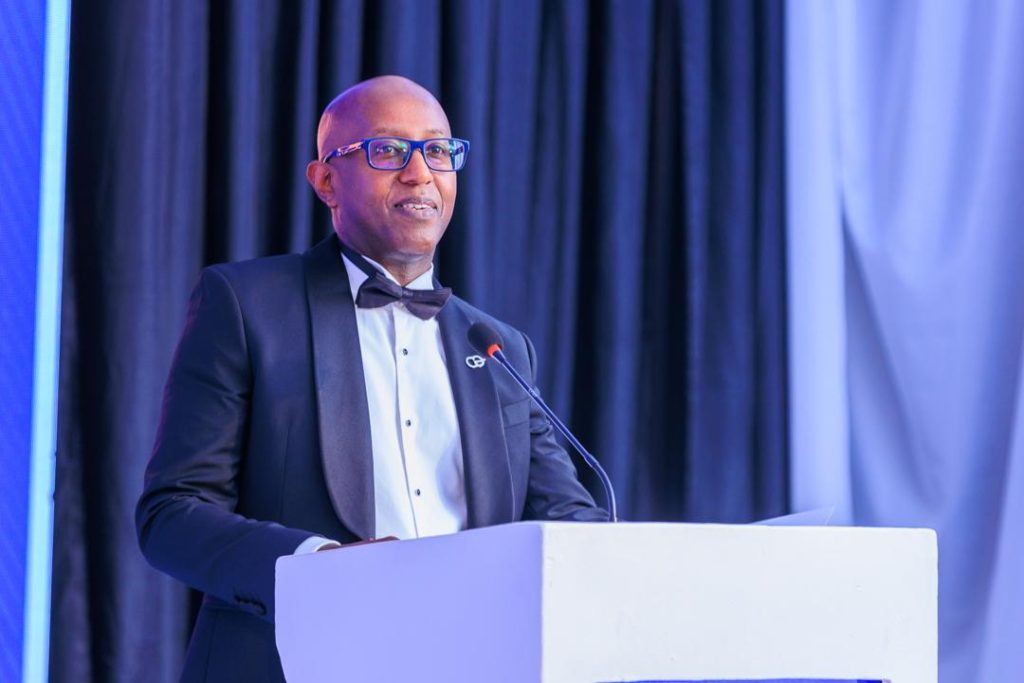
“When we started, customers told us we lacked experience. It was like university graduates being told they cannot get jobs because they have no experience,” Tumusiime said. To overcome this, CWG Uganda launched an academy and partnered with Makerere University to skill top students, providing internships, training, and global certifications.
“Our impact has been in building a skilled workforce for Uganda and East Africa. Many of our alumni are now leaders in technology, some working with global companies like Google, while others are shaping innovation locally. This is our biggest contribution.”
CWG PLC’s Group Chief Operating Officer, Afolabi Sobande, commended the Ugandan team for driving growth and innovation across the region. He emphasized the company’s Pan-African outlook, with CWG Uganda positioned as a hub for East Africa.
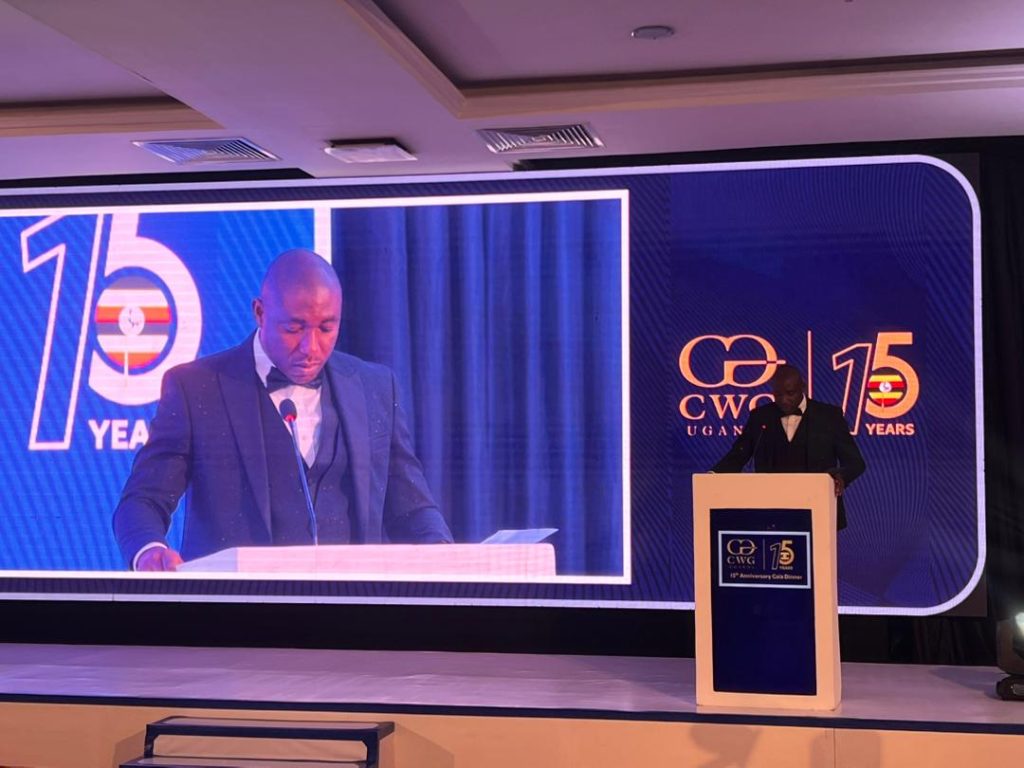
“When we chose Uganda in 2010, many asked why not Kenya or Angola. But today, Uganda has proven to be a fertile ground for innovation, and this team has built something remarkable,” Sobande said. He highlighted CWG’s role in supporting national institutions, citing its work with the Uganda Bureau of Statistics during the 2024 census, the Electoral Commission, and other regulatory bodies.
“The true test of success is succession, and what we see in Uganda is proof that CWG can thrive under local leadership while making a Pan-African impact,” he added.
Chief Guest Hajjat Minsa Kabanda, Minister for Kampala and Metropolitan Affairs, represented government and commended CWG Uganda for aligning with the country’s digital transformation agenda. She noted that the company’s projects have modernized public services and contributed to the smart city vision for Kampala.
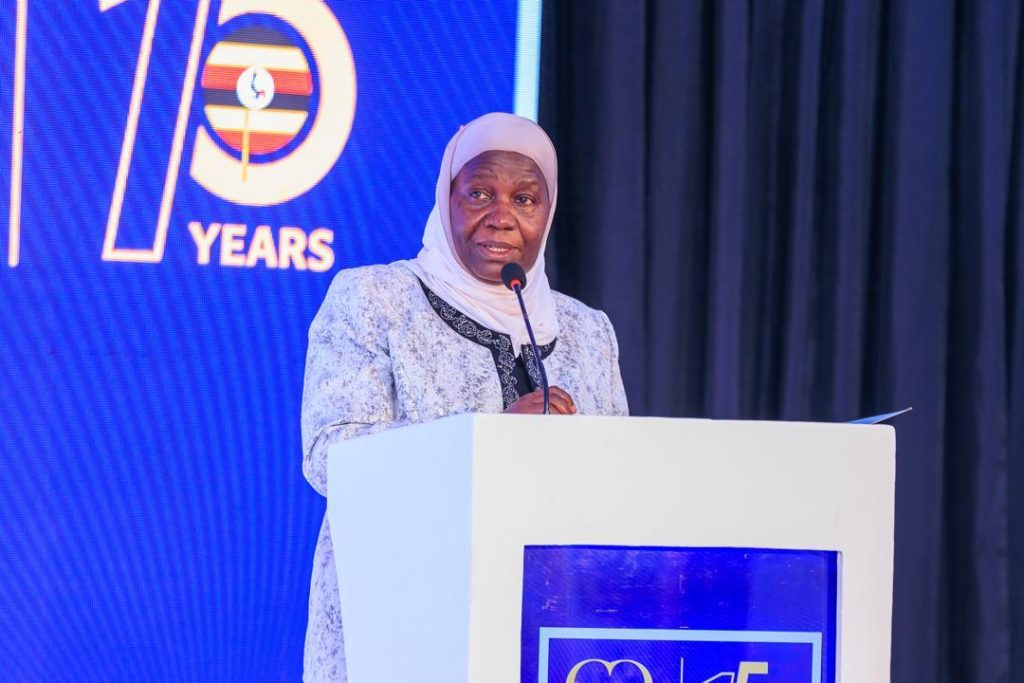
“You have helped us move from dusty books to digital databases, from long queues to online services. CWG Uganda is not just a technology provider, it is a partner in government transformation,” Hajjat Kabanda said. She also praised CWG’s support for SMEs, noting that their digital platforms are helping small businesses join the formal economy.
“This contribution is vital because SMEs are the backbone of our economy. By giving them digital tools, you are creating jobs and driving national prosperity,” she said.
The event also featured insights into the future of technology. AI enthusiast Kenneth Mugabi gave a thought-provoking speech on the rise of Artificial Intelligence, reflecting on its global impact and Africa’s role in shaping the future. He noted that while AI has become a driver of change across industries, Africa risks being left behind if it does not invest strategically.
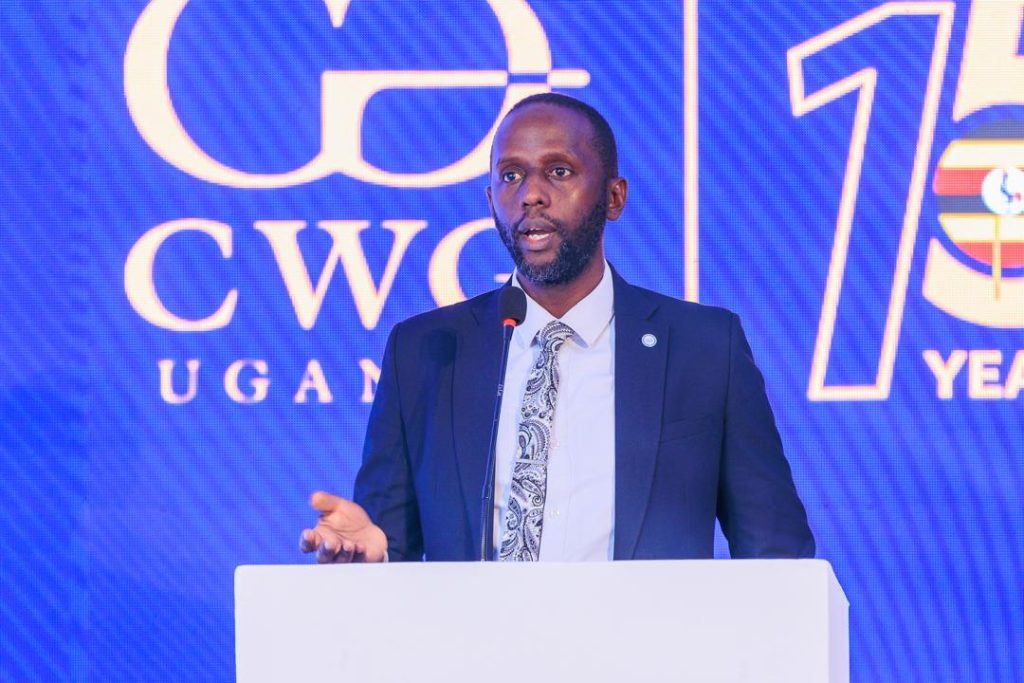
“In every industrial revolution, wealth shifted to the countries that led. If we don’t step in now, we shall repeat history by remaining consumers, not leaders,” Mugabi said. He identified two urgent priorities: building foundational digital infrastructure and investing in human capital.
“Our biggest superpower is talent. We have a young population that can lead the AI revolution if trained and empowered. If we get this right, AI can become Africa’s equalizer, not its disruptor.”
Delivering the keynote address, Michael Niyitegeka, Country Director of Refactory, emphasized the importance of collaboration and strategic alliances in driving Africa’s digital growth. He described partnerships as “the untold story of Africa’s growth,” urging both corporates and entrepreneurs to move beyond competition and embrace ecosystems.
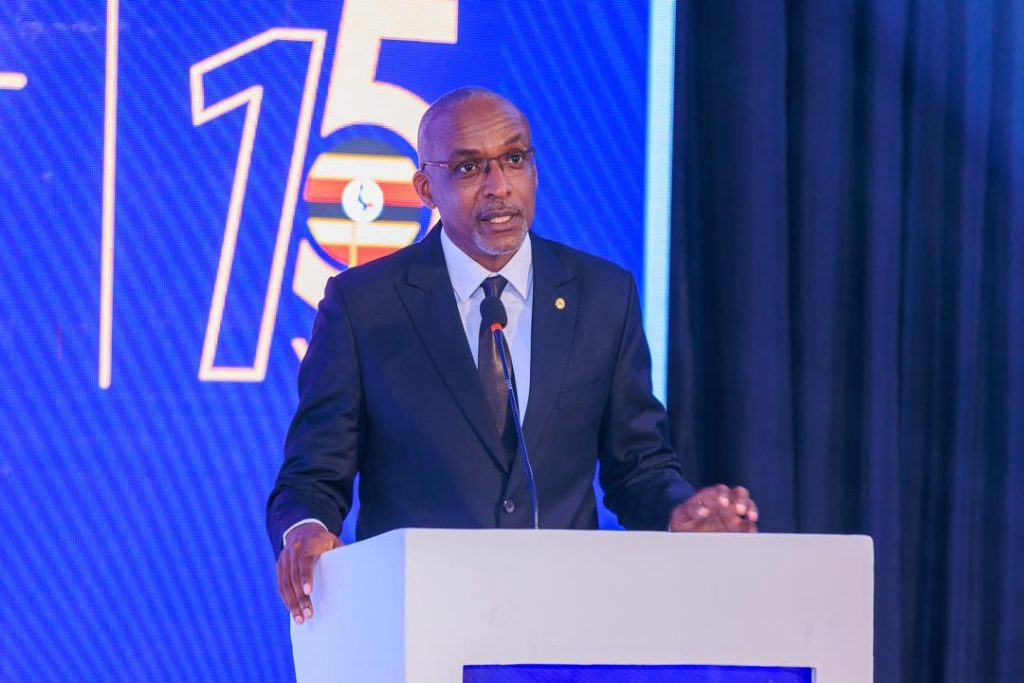
“If we’re going to build unicorns, it won’t be out of competition but through leveraging our different capabilities. Collaboration is our greatest competitive advantage,” he said. Drawing on the success of Refactory’s software academy and African innovations like Clinic Master, Niyitegeka stressed that governments should act as conveners, enabling innovation through sandboxes rather than roadblocks.
“Imagine a single digital market where an idea in Cairo is funded in Lagos, built in Johannesburg, and serves a customer in Dakar. That is the power of alliances—and it’s a choice we must make.”
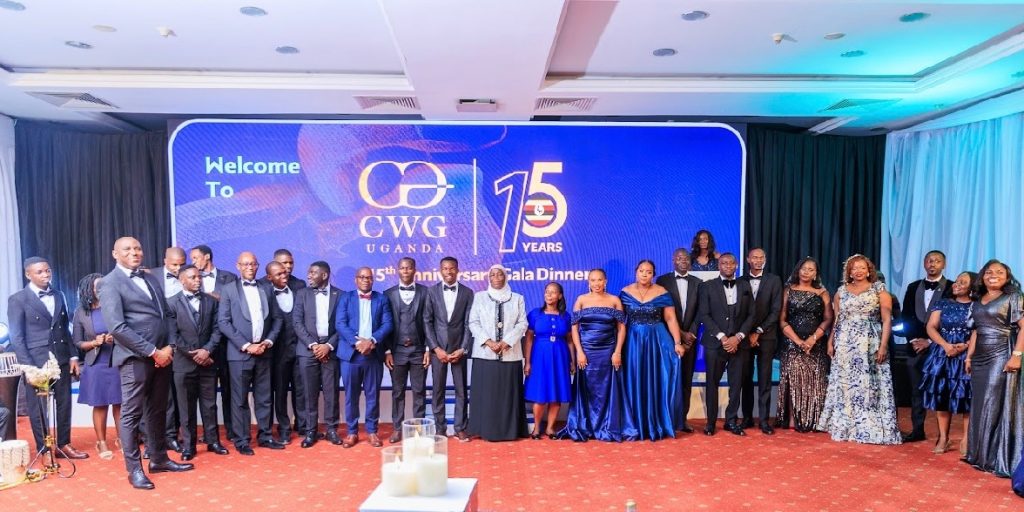
As CWG Uganda embarks on its next chapter, the event’s speakers agreed that the company’s story reflects the possibilities of investing in people, partnerships, and technology to shape Uganda’s place in the digital economy.