



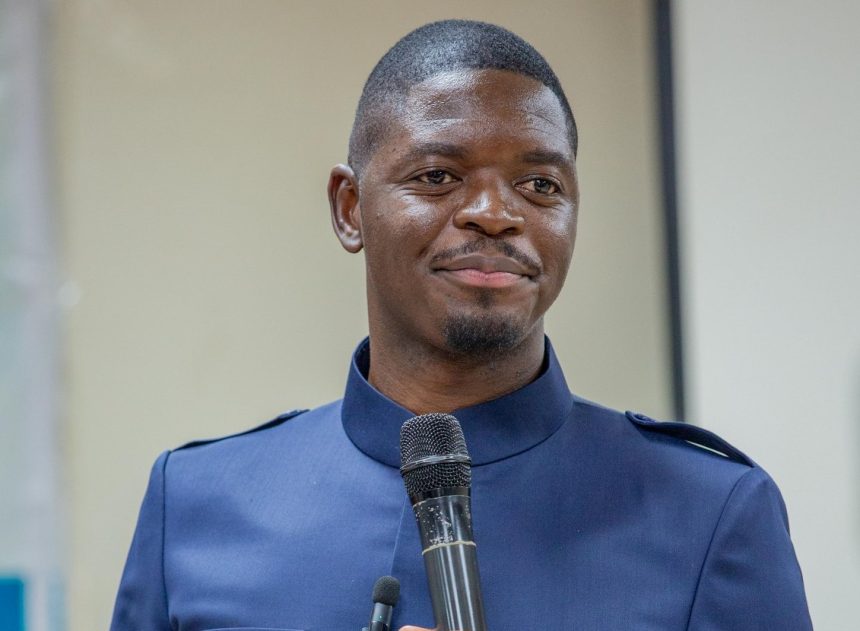
Q: You said young people should not be left out of national processes. Why is this so important?
A: They are not supposed to be left out because the moment young people feel excluded from issues of productivity, empowerment, and job creation, that is when they become distressed and resort to drug addiction. Having young people who are willing to participate in Uganda’s political discourse is a blessing. You can channel their energy into productivity, job creation, and contributing to Uganda’s GDP.
Q: During your presentation, you spoke against having politicians who “have nothing to lose” in the voter registry. What did you mean?
A: I meant that we should avoid career politicians. We need leaders who enter public office through meritocracy—people who serve with their hearts and prioritize service delivery, not personal gain. Leadership should be for the good of Ugandans, not a survival strategy for individuals.
Q: You are a youthful leader, and there is talk of a rising Gen Z wave across Africa. What is your take?
A: We have seen what happened in Tanzania and elsewhere. To avoid resistance from young people, governments must not exclude them from decision-making. When youths feel ignored, they resort to protest and destruction, and that is not the African path. We now have a politically engaged, globally aware generation. Governments must create policies that speak to their needs.
Q: You’ve said African problems should be solved by Africans. Can you explain that?
A: Africa is not short of intelligence. We have competent engineers, doctors, pilots. Foreign countries must treat Africa with respect and engage us as equals. We should not accept solutions that don’t align with our cultural and economic realities. Like other continents, Africa must be allowed to develop on its own civilizational path.
Q: During the venture capital discussion, you challenged a young entrepreneur about equity. What lesson were you trying to teach?
A: Many young entrepreneurs want investors, but they don’t want to share equity. I told him: it’s better to be the tail of an elephant than the head of an ant. Bringing in experienced partners may reduce your share, but it increases your chances of success. Bill Gates owns just 1% of Microsoft but remains one of the richest people on earth. It’s not about percentages—it’s about value creation.
Q: You also shared a personal experience on the reality of politics. What did it teach you?
A: My election cost over $700,000. I intended to invest in water and roads, not alcohol. But one of my competitors won support simply by promising free alcohol. I realised that sometimes voters care more about immediate personal benefit than long-term development. So even a good leader can be forced to adjust to voter expectations.
Q: You raised concerns about Africa’s dependence on foreign vaccines and industries. What is the bigger issue here?
A: Africa does not manufacture vaccines, yet we have the talent. We export minerals unprocessed, which means we export jobs. Our leaders are sometimes willing to sacrifice generational interests for personal gain. Until we value our own scientists, our own industries, and our own resources, we remain dependent.
Q: You also gave advice to young politicians on how to challenge authority. What is the key lesson?
A: Never insult people in power—that’s not wisdom. You must speak factually and respectfully. I have a close relationship with my president because I criticise in private, not in public. You can influence leaders more effectively when you address issues smartly, not emotionally.
Q: You ended with a message about money and politics. What was the point?
A: Money is a voice. Media will follow the person who can pay. Rigging does not happen at the ballot box—that’s too late. Young people must understand the real workings of power and learn to navigate it strategically, not naively.