



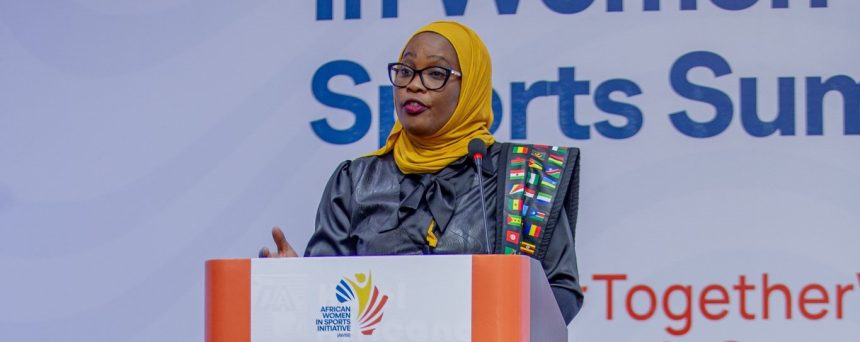
Africa’s first-ever African Women in Sports Summit concluded in Kampala with a landmark commitment to transform the sports landscape for women and girls across the continent.
The event — attended by representatives from at least 13 African countries and over 250 participants — culminated in the signing of the Kampala Declaration on Safety and Equality of Women and Girls in Sports, a document hailed as a major step toward inclusive, safe, and equitable sports environments.
Speaking after presenting the declaration, AWISI Legal Director Shadia Nakamanya said the document captures the day’s extensive discussions on equality, leadership, human rights protection, and the fight against gender-based violence in sports.
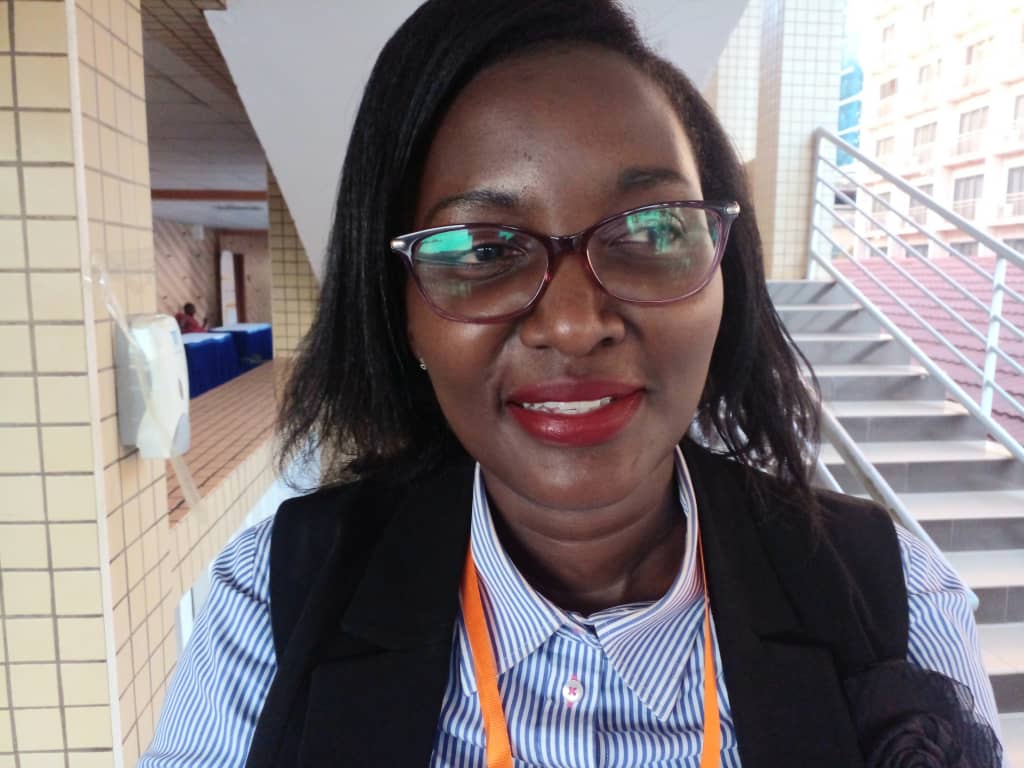
“This declaration cements our commitment to protecting the human rights of athletes and ensuring a safe space for women and girls in sports,” Nakamanya said. “It brings together all conversations held throughout the summit — from safeguarding to leadership, and equal access — into a unified framework that we intend to implement across Africa.”
Key Principles: Human Rights,Zero Tolerence for Abuse and Inclusive Leadership
The declaration outlines six core commitments including comprehensive safeguarding, equality in access and opportunity, leadership advancement, education and culture change, inclusion of vulnerable groups, and continental accountability.
Nakamanya emphasized that safeguarding remains one of the most urgent priorities:
“Safeguarding is extremely wide — what we discussed today is just a pinch of the iceberg. Protecting athletes’ mental, physical, emotional and psychological wellbeing is critical, and we need certified training from federations like FIFA and World Rugby to raise standards.”
She also pointed to the persistent marginalization of women in sports leadership in Uganda and elsewhere, stressing that women must prepare proactively:
“We shouldn’t wait for opportunities to come before we start training. The time is now for women to build capacity and be ready for leadership positions.”
A Continental Effort
The Kampala Declaration has so far been signed by representatives from 13 countries including Uganda, Kenya, Rwanda, South Africa, Zimbabwe, Zambia and Gambia.
“We needed this as bad as yesterday,” Nakamanya added. “For the first time, African women with different portfolios and experience have come together. Together we are stronger — together, we can create impact.”
President Dr. Mariam Mpaata: A Historic Moment for African Women in Sports
AWISI President Dr. Mariam Mpaata described the summit as “historic,” noting that it is the first time African women have gathered specifically to shape policy, share experiences and make decisions on issues affecting them in sports.
“We saw a bold and colourful statement from women across the continent who want to enjoy sports in a safe environment and achieve their potential,” Mpaata said.
She highlighted gender-based violence as one of the major barriers holding back progress:
“GBV is taking women back. Many athletes drop out because of fear, intimidation and lack of support. This declaration affirms that women deserve safety and respect.”
Towards an Equal Sports Ecosystem
Dr. Mpaata said the next step is to lobby governments, sports federations, private sector institutions and global development partners to adopt the Kampala Declaration as a guiding document.
“This is not a competition — we simply want a safe and equal space where women can flourish and contribute to their nations and the continent. Women are capable, talented and passionate,” she said.
She also highlighted the financial challenges affecting women in sports, noting that the declaration pushes for stronger partnerships, grants, and collaboration with NGOs, governments and international agencies.
“We don’t see the financial gaps as a deterrent, but as an opportunity to create strategies and networks that will help us implement these commitments,” Nakamanya added.
A Vibrant Finish and Call To Action
The summit, supported by UN Women and the Spotlight Initiative, wrapped up with cultural pride — women adorned in African wear, carrying flags, and showcasing unity and diversity. Tomorrow, participants will take part in a sports day at the hockey grounds, featuring games including a much-anticipated “Grandmothers of Uganda vs. Grandmothers of Kenya” match.
“This is more than fun — it’s advocacy,” Dr. Mpaata said. “If grandmothers can play, then young girls have no reason to stay home. Sports open doors to health, empowerment and opportunity.”
The Kampala Declaration is expected to set the pace for a coordinated continental approach to women’s sports safety, leadership and equality — marking what many participants described as “the beginning of a new era for women and girls in African sports.”