



As Uganda winds up another decisive electoral window, the Women’s Situation Room (WSR) is issuing a sobering diagnosis of why elections in the country repeatedly slide into tension and violence.
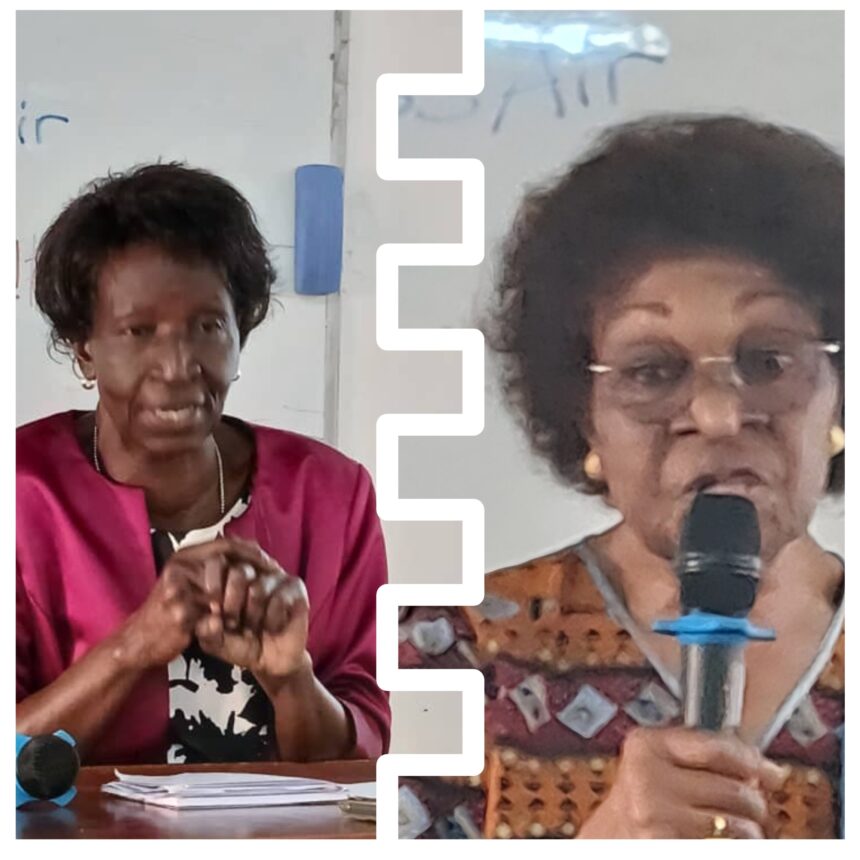
Speaking to the media, eminent women Ruth Ochieng and Dr. Elizabeth Lwanga argued that electoral violence in Uganda is neither spontaneous nor inevitable, but the result of deep, unresolved structural failures that have accumulated over decades.
Drawing from a post-election study conducted in partnership with conflict and peace experts from Makerere University after the 2021 polls, the WSR says Ugandans become most vulnerable to manipulation during elections because long-standing grievances remain unaddressed.
“At the heart of this violence is youth unemployment,” Ochieng said. According to the study, thousands of young people complete their education, aspire to leadership and dignity, but find no opportunities. Politicians, she noted, often exploit this desperation, mobilizing unemployed youth as foot soldiers against rival camps. What begins as political competition quickly degenerates into confrontation.
Closely linked to this is the commercialization of politics. Ochieng, who has witnessed Uganda’s elections over several decades, recalled a time when money did not determine access to leadership. “Today, people are willing to fight or die to become politicians,” she said, arguing that leadership has increasingly been reduced to an investment with expected financial returns. This, the WSR warns, fuels intolerance and raises the stakes of elections beyond democratic contestation.
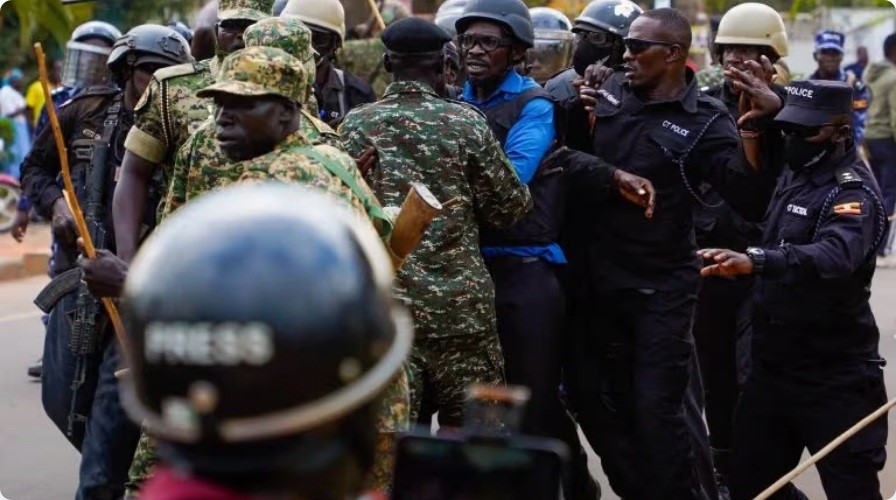
Another major driver identified by communities across the country is the militarization of politics. Women, in particular, told researchers they fear going to polling stations because of violence, intimidation, and the presence of armed forces. Some said they would rather forego voting than risk abuse or death, leaving their children behind with no caregiver. The implications, WSR argues, go beyond elections, eroding public trust in democratic participation itself.
Identity politics also emerged as a key accelerant. Instead of fostering national cohesion, elections increasingly magnify ethnic, regional, and partisan divisions. “We are one people,” Ochieng stressed, “but elections make us see each other as enemies.”
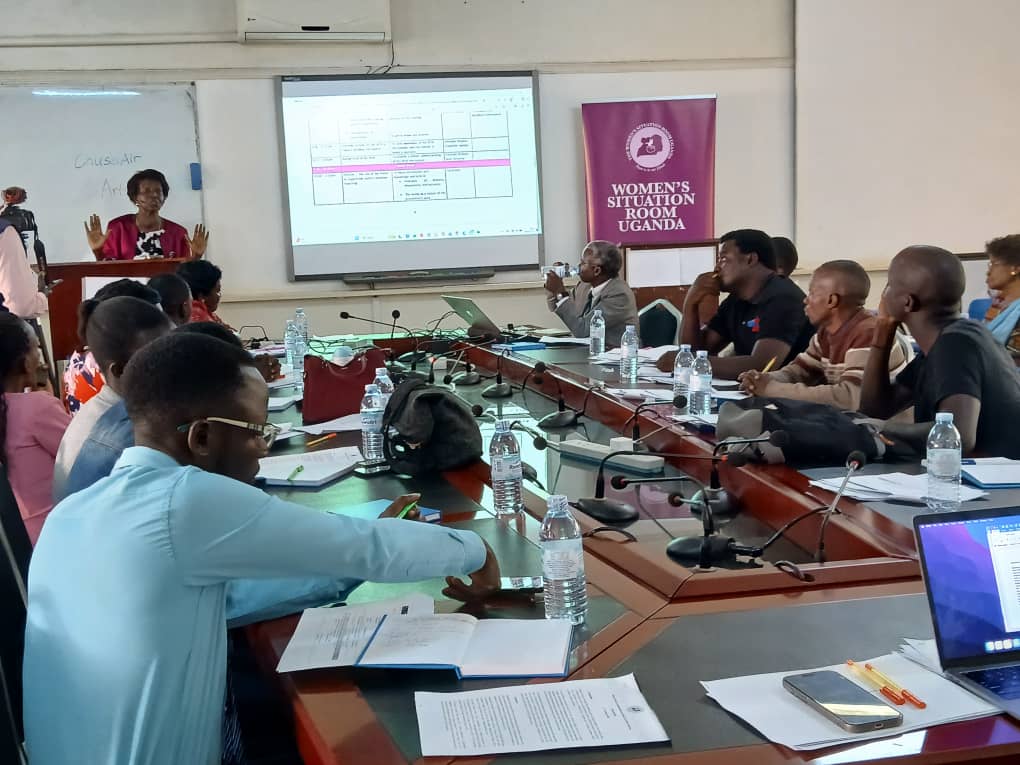
The Women’s Situation Room positions itself not as an implementing NGO, but as a mechanism for engagement and early warning. Over the years, it has held dialogues with women’s organizations, political parties, the police, the military, the Electoral Commission, and the Uganda Human Rights Commission. According to Ochieng, these stakeholders largely agree on the causes of violence. The challenge now is action.
On youth unemployment, WSR acknowledges government initiatives but criticizes what it calls “projectisation.” Short-term, fragmented programs, they argue, fail to reach all young people equitably. “These resources come from taxpayers,” Ochieng said. “They should reach every youth, regardless of political affiliation.”
The lack of civic education is another glaring gap. The group insists elections should not be treated as competitions of numbers, but as opportunities to choose leaders with values, vision, and commitment to national service. WSR has urged the Electoral Commission and human rights bodies to intensify civic education so citizens understand both their rights and responsibilities.
Dr. Elizabeth Lwanga emphasized that peace during elections ultimately rests with citizens themselves. With voting stretching from mid-January into early February, she called on Ugandans to participate intentionally and peacefully. “We cannot afford to continue losing people every five years because of elections,” she said. “Human life is of value. If we lose that sense, we have lost everything.”
She urged citizens to use legal channels to challenge disputed results rather than resort to violence. “We are destroying our country every five years with intolerance,” she warned, adding that the absence of peace stems from an inability to tolerate differing views and political choices.
Beyond voters and politicians, the WSR placed a sharp spotlight on the media. Both Ochieng and Lwanga challenged journalists to go beyond symbolic gender inclusion. While promoting women’s participation remains essential, they cautioned against elevating individuals solely on the basis of gender.
“We do not promote women for the sake of promoting women,” Lwanga said. “Those given platforms must have values, ethics, and a genuine commitment to society.” Women, she added, should not be shielded from scrutiny if they pursue power through exploitation, corruption, or harm to others.
For the WSR, values and ethics are non-negotiable, whether in politics or journalism. Without them, the group argues, Uganda risks entrenching a cycle where elections become flashpoints for violence rather than milestones of democracy.
As the country moves through yet another election season, the message from the Women’s Situation Room is clear: peace will not come from security deployments alone. It will come from addressing unemployment, depoliticizing money and force, investing in civic education, respecting diversity, and restoring the value of human life above political victory.