



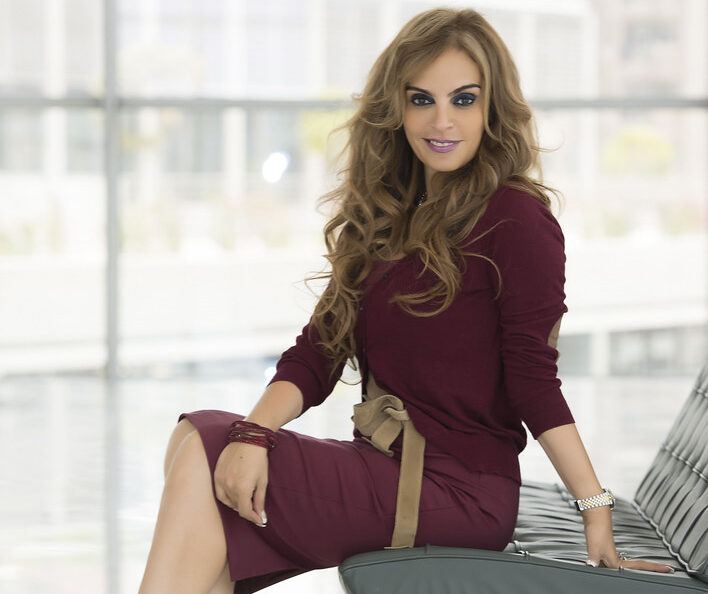
Dr. Rasha Kelej has once again been ranked among Africa’s most influential women, earning a place on the 2025 list of the 100 Most Influential African Women compiled by Avance Media. This marks the seventh consecutive year of recognition for the Merck Foundation chief executive, placing her alongside some of the continent’s most powerful figures, including Tanzania’s President Samia Suluhu Hassan and Namibia’s President-designate Netumbo Nandi-Ndaitwah.
The annual ranking celebrates African women whose leadership continues to shape governance, development, and social transformation across the continent and beyond. Dr. Kelej’s continued inclusion reflects her sustained influence in advancing women’s empowerment, improving healthcare systems, and expanding access to education for girls.
Reacting to the announcement, Dr. Kelej expressed gratitude for the recognition, describing it as both an honour and a responsibility. She said the acknowledgment reinforces the mission she has pursued for over a decade to strengthen healthcare systems and elevate the role of women in leadership, science, and society. She also extended congratulations to fellow honourees, noting that their collective achievements demonstrate the growing impact of African women in shaping the continent’s future.
Dr. Kelej leads the Merck Foundation, where she has spearheaded transformative programmes aimed at addressing critical gaps in healthcare delivery and education across Africa. Central to her work is the More Than a Mother Campaign, an initiative launched in 2015 that challenges infertility stigma, promotes reproductive health awareness, and advocates for women’s dignity and inclusion.
Under her leadership, Merck Foundation has also expanded its scholarship programme for healthcare professionals, training thousands of doctors from over 50 countries in specialised and often underserved medical fields. These efforts, according to the foundation, have helped some countries develop their first-ever specialists in areas such as oncology, fertility care, intensive care, and diabetes management.
Dr. Kelej noted that many of the programme’s graduates are now serving as pioneers in their home countries, helping to bridge critical healthcare gaps that previously forced patients to seek treatment abroad. She described these milestones as evidence of a long-term shift in Africa’s medical capacity, driven by sustained investment in human capital.
A significant part of her work also focuses on gender equality in education and science. Nearly half of the healthcare scholarships awarded under her leadership have gone to women, a move aimed at strengthening female representation in medicine and leadership. In addition, the foundation’s annual research awards continue to spotlight young African scientists, particularly women contributing to medical innovation and public health.
Beyond healthcare, Dr. Kelej has championed education for girls through scholarship initiatives supporting hundreds of underprivileged students across nearly 20 African countries. These efforts aim to keep girls in school and improve their long-term opportunities in education and employment.
Her influence extends into creative advocacy as well. Through programmes such as “Our Africa by Merck Foundation”, she has used media, music, fashion, and storytelling to address issues such as gender-based violence, child marriage, infertility stigma, and non-communicable diseases. The initiative blends art and public health messaging to reach wider audiences across Africa.
Over the years, Dr. Kelej has also produced awareness songs in multiple languages, published children’s storybooks, trained thousands of journalists, and developed television content aimed at driving social change. These initiatives, she says, are designed to ensure that conversations about health and social justice reach communities at every level.
With her latest recognition, Dr. Kelej’s work continues to underscore a growing movement of African-led solutions in healthcare, education, and gender equality. Her sustained presence on the continent’s most influential women list reflects not only personal achievement but also the expanding impact of initiatives aimed at reshaping lives across Africa.