



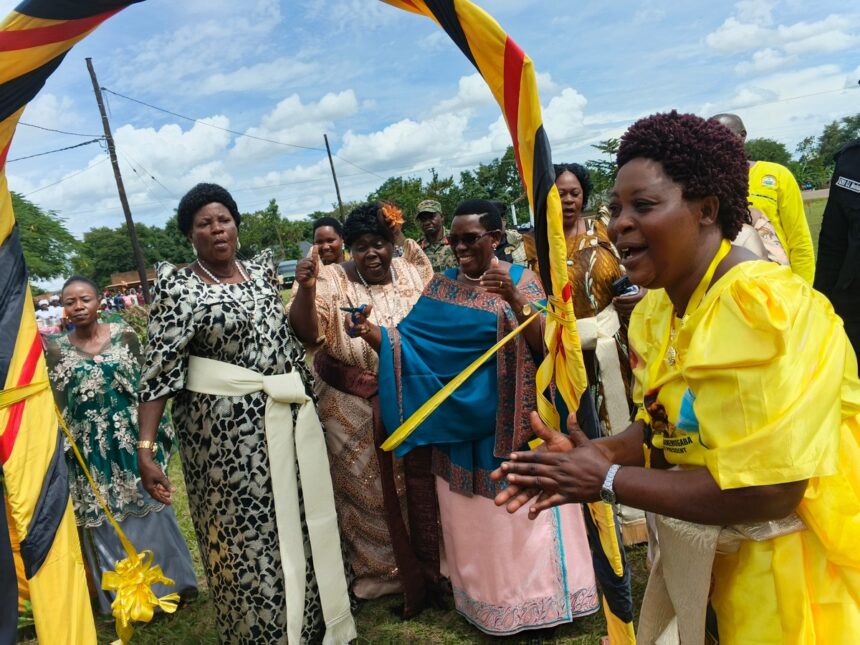
Masindi District’s belated International Women’s Day celebrations, held in Karujubu Division, brought renewed political focus on women’s empowerment—but also exposed lingering contradictions in how empowerment is framed and implemented at the grassroots.
Presiding over the event, Mary Mugasha delivered a message that blended encouragement with caution. She urged women to embrace government poverty alleviation programs, emphasizing that “a home without a woman has no future.” Mugasha pointed to increased government funding channeled through financial institutions to support women-led livelihoods, arguing that economic participation is key to lifting families out of poverty.
However, her remarks also reflected persistent societal tensions. While affirming that women are as educated and capable as men—serving as ministers, politicians, and professionals—she warned against what she described as neglect of domestic responsibilities.
The call for women to “not disrespect their husbands” even as they ascend professionally highlights the delicate balancing act many Ugandan women continue to navigate.
Local leaders echoed the empowerment narrative. Betty Kyomuhendo urged women not to “go back behind,” noting that government has already created platforms for their advancement. She framed women as “exemplary,” suggesting that their growing presence in leadership is both earned and necessary.
Meanwhile, Florence Asiimwe took a more assertive tone, calling on women to abandon dependency on men. She emphasized that women are central to household stability and national development, urging parents to prioritize girls’ education.
According to Asiimwe, the government’s trust in women stems from their demonstrated commitment and work ethic—qualities she said justify their increasing appointment to senior roles.
Yet the event also surfaced dissenting views on the broader equity agenda. Ronald Akugizibwe Aled cautioned against what he described as an imbalance in gender-focused interventions. He argued that while significant energy has been invested in empowering girls, boys risk being sidelined.
His call for equal educational opportunities reflects a growing conversation about inclusivity within gender empowerment policies.
Despite the optimism projected by leaders, questions remain about the real impact of government programs on ordinary women in Masindi. While officials cited funding initiatives and policy support, there was limited discussion on access barriers such as financial literacy, loan conditions, and rural outreach.
As the celebrations concluded, women were recognized as drivers of economic and social transformation. However, the underlying tensions—between empowerment and traditional expectations, and between gender-focused policies and broader inclusivity—suggest that the journey toward genuine equality in districts like Masindi is far from complete.