



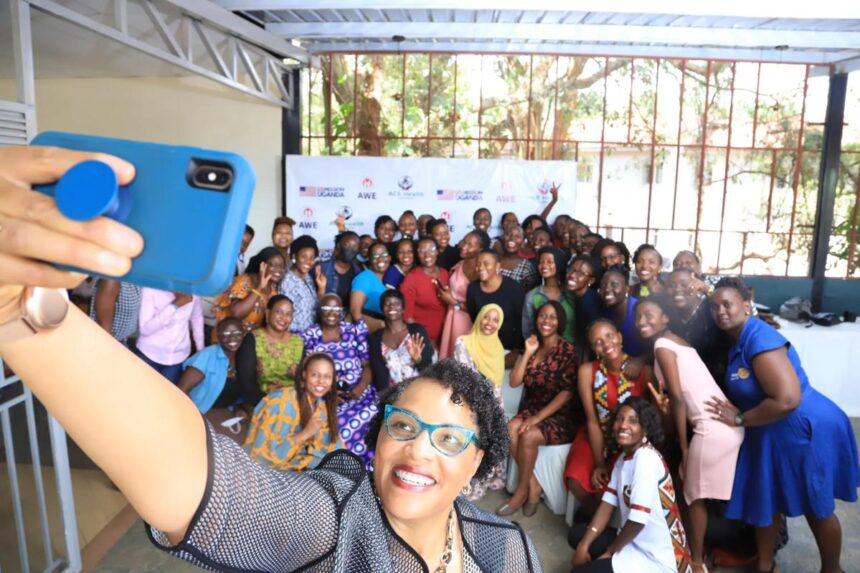
Deep-rooted social norms continue to undermine the growth potential of women entrepreneurs across Uganda, limiting their access to finance, markets, and decision-making power, according to Ramathan Muweleza, Monitoring, Evaluation and Learning Coordinator at the Uganda Women’s Network (UWONET).
Muweleza says findings from a rapid assessment conducted under the Generating Growth Opportunities and Productivity for Women Enterprises (GROW) project reveal that restrictive cultural practices remain a major obstacle to enterprise expansion.
“In many communities, especially in central and northern Uganda, women are not allowed to own assets such as land or livestock. Yet these are critical for collateral when accessing credit,” he explained.
The study highlights stark regional disparities. In Lango, assets acquired by married women are often considered the property of their husbands, while in Karamoja, even government-supported resources like livestock are culturally attributed to men.
“These norms significantly limit women’s ability to access financing and scale their businesses,” Muweleza noted.
Beyond asset ownership, women are also restricted from participating in certain sectors such as construction, further narrowing their economic opportunities. In some communities, unmarried women are discouraged from engaging in businesses that require travel, confining them to low-growth, home-based enterprises.
The impact extends beyond economics. Muweleza points out that entrenched perceptions of women as subordinates weaken their voice in both household and business decision-making processes.
“These limitations affect confidence, investment decisions, and ultimately productivity,” he said.
UWONET’s intervention under the GROW project focuses on shifting these harmful norms by promoting positive attitudes toward women in business. The initiative targets mindset change among both women and their communities.
“We are working to ensure women begin to believe in themselves and challenge societal expectations that hold them back,” he added.
Muweleza emphasized that transforming these norms is not just a gender issue but a national economic imperative.
“When women participate fully in economic activities, families benefit, communities grow, and the entire nation gains,” he said.
The findings highlight the need for coordinated efforts involving policymakers, cultural institutions, and communities to dismantle systemic barriers and unlock the full potential of women-led enterprises in Uganda.