



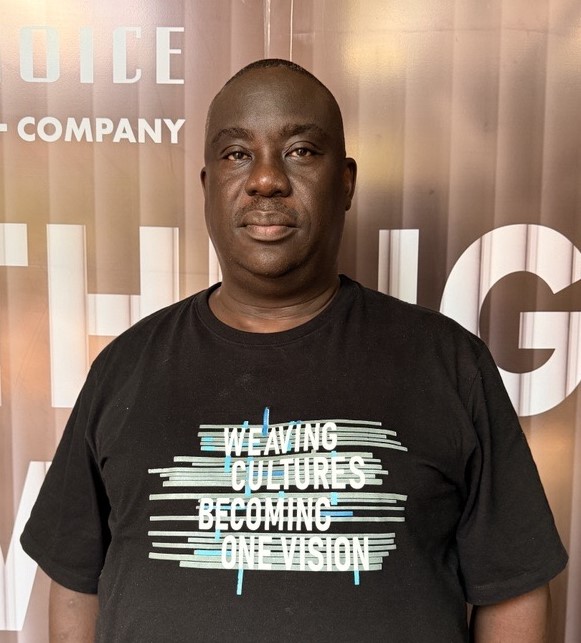
By Ben Omoding
Football in Uganda—and indeed across the globe—is woven into the very fabric of daily life. It thrives in bustling trading centers, roadside video halls (bibanda), university hostels, living rooms, local bars, and spirited WhatsApp groups.
A bad weekend for Manchester United can ruin a fan’s entire day, while Arsenal supporters waste no time getting loud the moment their team stops giving them heart palpitations. Every single week, friendships are put to the test over Premier League banter, match predictions, and controversial refereeing decisions.
As anticipation builds for the 2026 FIFA World Cup, one reality is undeniable: Ugandans live for football, and the appetite for live sports has never been greater. Families gather around television sets, friends meet up at local kafundas, and the entire country rallies behind the teams and iconic players who inspire millions.
However, alongside this growing passion, a silent threat is emerging. Piracy is quickly becoming one of the gravest dangers to the future of sports broadcasting. Across Uganda, illegal streaming links, hacked decoders, unauthorised Telegram channels, and bootleg public screenings have become commonplace. To the average viewer, it feels completely harmless.
A link is shared in a group chat right before kickoff, everyone clicks along on their phones or crowds around a single screen, and the match goes on. But very few stop to consider the true cost of that “free” football.
The explosion of illegal platforms and unauthorised links has created a false sense of free access to premium sports. In reality, this comes with a steep, hidden price tag. Every illegal stream actively chips away at the economic foundation that makes sports broadcasting possible.
Delivering a match to your screen requires a massive chain of investment, including acquiring broadcasting rights, high-end production, expert commentary, studio analysis, transmission and distribution infrastructure, customer support, and localised sports coverage. When piracy thrives, sustaining that level of investment becomes incredibly difficult.
Globally, broadcast rights for major tournaments like the FIFA World Cup, the Premier League, and UEFA competitions cost billions of dollars. Broadcasters invest heavily in these rights to guarantee audiences get reliable coverage, top-tier analysis, localised programming, and premium production quality. Piracy completely undermines this economic model, stripping financial value from the very content fans love most.
This issue hits even harder in Uganda, where the creative and media sectors are still in their formative stages. While the public conversation around piracy usually focuses on accessibility and cost, the deeper issue is about respecting value.
We cannot demand world-class entertainment while simultaneously undermining the very industries that finance it. Bringing premium sports to screens across Africa requires continuous financial commitment toward technology, local talent, infrastructure, and distribution networks.
The same Ugandans who fiercely celebrate local music, home-grown cinema, and Ugandan creators must recognise that protecting content rights is part of that same ecosystem.
Furthermore, piracy isn’t just an industry problem; it’s a personal risk. Illegal streaming websites are hotbeds for malware, financial scams, deceptive betting ads, and phishing links. In attempting to save money, many fans unknowingly expose their personal data, banking information, and devices to cybercriminals.
The future of sports broadcasting rests entirely on how seriously fans, regulatory bodies, broadcasters, and tech platforms address this crisis. Combating piracy is about safeguarding the future of entertainment, sports, and creative investments across Africa. Football deserves investment. Fans deserve uncompromised quality. And broadcasters deserve protection for the content they legally acquire and distribute.
As Uganda joins the global countdown to the 2026 FIFA World Cup, we have a unique opportunity to foster a healthier viewing culture—one that respects creativity, values legitimate access, and supports the long-term survival of sports media.
Football is more than just a game; it is an industry, a livelihood, and a passion worth protecting. If we truly want football to grow and thrive across Africa, protecting the financial systems that fund, produce, and sustain it must become part of what it means to be a true fan. After all, the teams and players we love rely on these very systems to earn a living.
The writer is the Head of Operations at MultiChoice Uganda, a Canal+ company.