



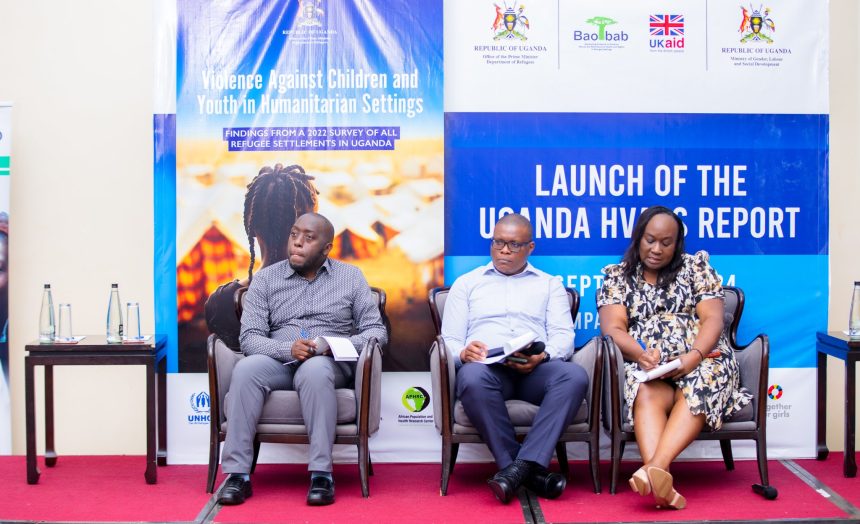
A new report has revealed widespread violence against children in Uganda’s refugee settlements, with a staggering 73% of girls and 53% of boys experiencing sexual violence after arriving at the camps.
Main Perpetrators Identified
According to the report, the majority of perpetrators are people known to the children—relatives, teachers, peers, and older individuals. Chi-Chi Undie, Senior Associate and Technical Director at the Population Council, notes that many of the abusers are members of the opposite sex, often within the children’s social circles.
“Children are being harmed by those they should trust—peers, relatives, and teachers. This creates a complex dynamic of fear and silence,” Undie stated.
Released by the Baobab Research Program Consortium (Baobab RPC), the Humanitarian Violence Against Children and Youth Report also highlights high rates of physical violence, with 67% of girls and 43% of boys affected.
A Dire Situation in the Settlements
Charles Bafaki, Uganda’s Commissioner for Refugees, expressed deep concern about the violence and its long-term implications.
“For refugees, this violence only aggravates an already dire situation where children have no fallback options. Worse still, survivors of violence risk becoming future perpetrators if the cycle isn’t broken.”
Bafaki called for urgent intervention from child protection partners—including the police, courts, and the Directorate of Public Prosecution—urging them to collaborate in creating robust mechanisms to safeguard these vulnerable children.
Policy Gaps and Resource Constraints
The Lead Research Uptake, Baobab RPC, Gloria Seruwagi, notes that policy gaps are not a challenge however, a policy is as good as its implementation and so failure to implement a policy by concerned stakeholders is much like not having a policy at all.
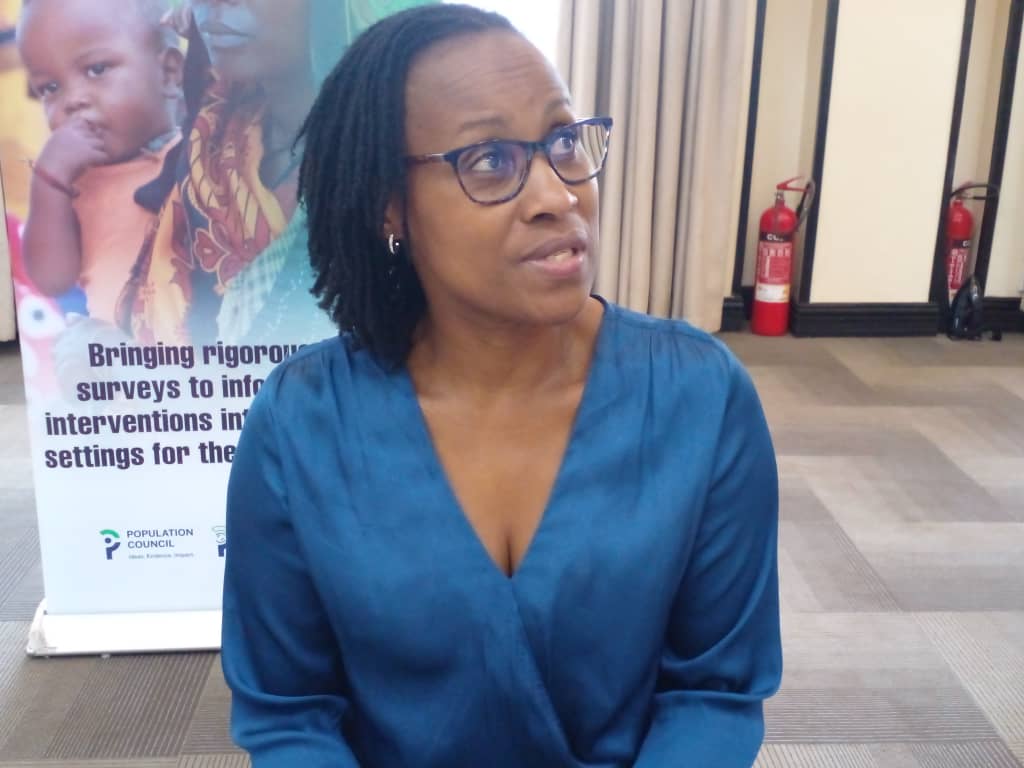
“The policies and programs are there, I think it’s more of resource implications, consistence and sustainability. Having that coordinated response that is well funded, well-resourced and everyone knowing that children are at risk here, let’s all play a part,” she remarked.
“Look at our police system, the child family protection unit that sometimes does not have fuel to go take on a case,” She adds.
Seruwagi further pointed to the inefficiencies in law enforcement. “Look at our police system, the child family protection unit sometimes doesn’t even have fuel to pursue cases,”she noted.
Low Reporting and Help-Seeking Among Children
George Odwe, Theme Lead at Baobab RPC, noted that while children are aware of where to report violence, they often refrain from disclosing incidents due to fear or distrust in the system. This, he said, further hampers efforts to provide timely help and care to those affected.
Recommendations and the Way Forward
The report recommends several solutions, including closing parenting gaps, providing psycho social support to address mental trauma, and eradicating harmful cultural practices that perpetrate violence.
Stella Muthuri, CEO of Baobab RPC, hailed the report as the first of its kind in Uganda.
“This humanitarian report is groundbreaking for Uganda and will serve as a tool for addressing similar issues in other countries like Ethiopia. Our next step is collective action, with all stakeholders involved.”
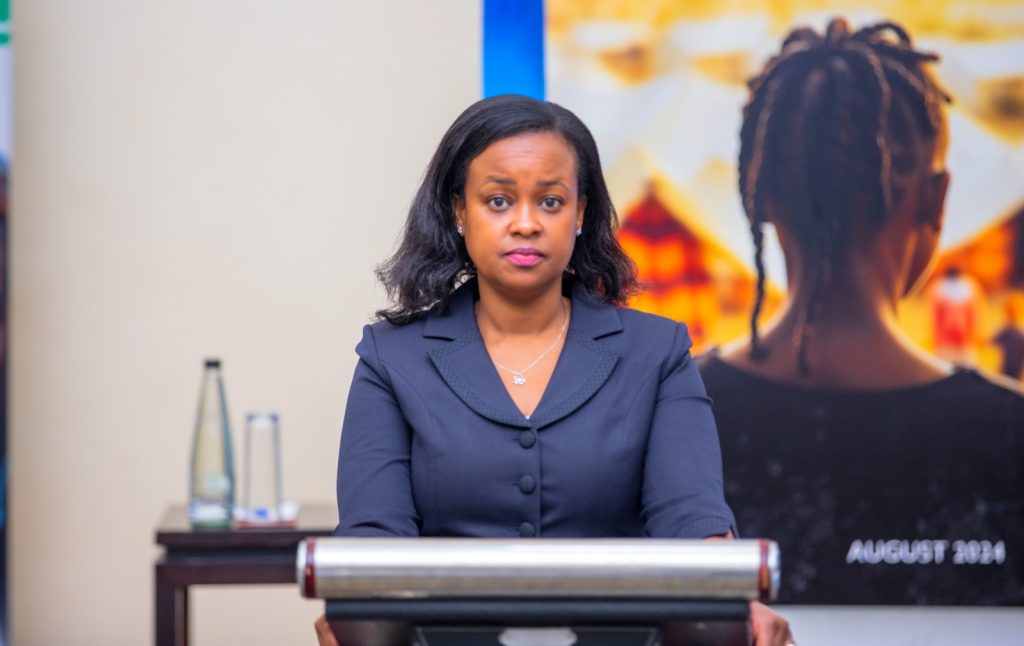
Muthuri also announced the launch of a new dataset alongside the report, which will be available to researchers and policymakers interested in humanitarian research.
“We are proud that this data has been collected by African researchers who are equipped and eager to contribute to solutions in the humanitarian space,” she added.