



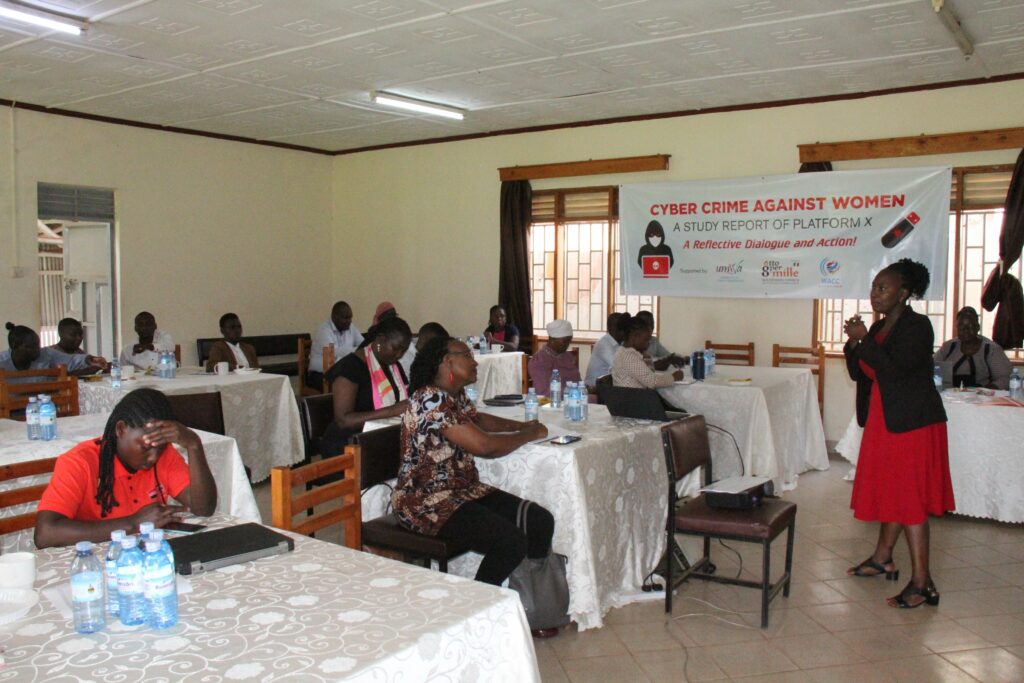
A groundbreaking study by the Uganda Media Women’s Association (UMWA) has shed light on the pervasive nature of online harassment targeting female journalists in Uganda.
The report reveals that 73% of female journalists have experienced abuse on digital platforms, highlighting a deeply rooted issue in the country’s media and online landscape.
The study further underscores the gendered dimensions of online violence, showing that women are 27 times more likely to be attacked online than their male counterparts.
Alarmingly, one in three female journalists reported being direct victims of online violence, ranging from cyberbullying and trolling to more severe forms of abuse like doxxing and threats.
Coping Mechanisms and Impact
The findings also delve into how female journalists respond to these attacks.
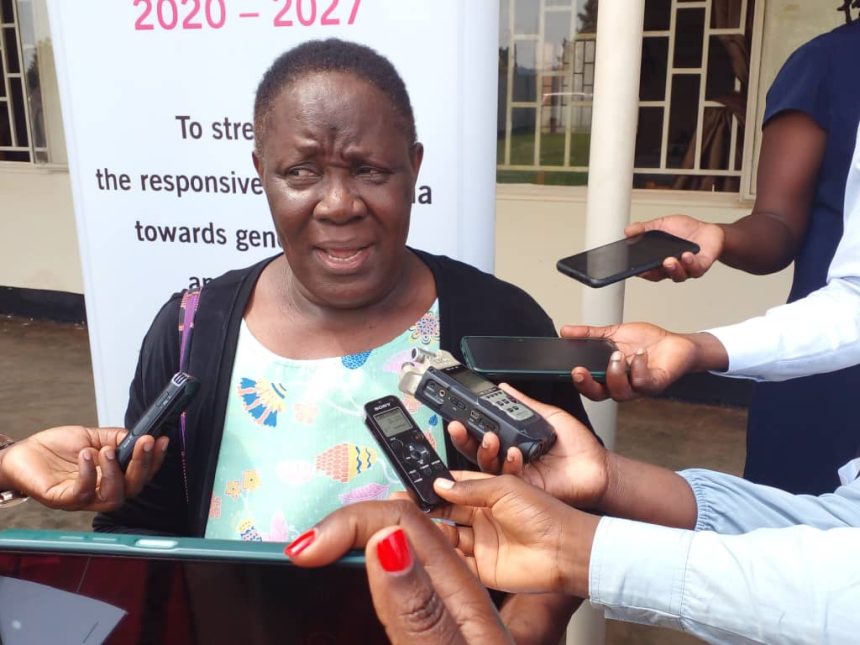
Joanitah Nankya,the Lead Researcher,an overwhelming 77% of those targeted have resorted to blocking their harassers, while 14.5% have taken the drastic step of deactivating their social media accounts to safeguard their mental health and personal security.
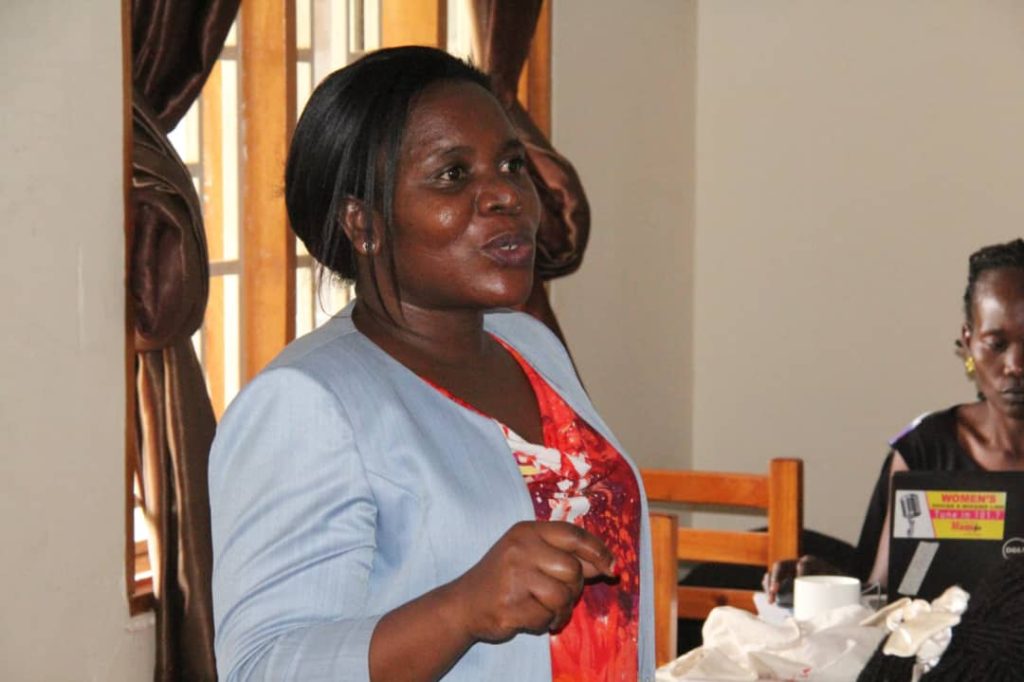
“These figures reflect a disturbing reality for women in Uganda’s media space,” said Margaret Ssentamu,the Executive Director of Uganda Media Women’s Association (UMWA).
“The persistent abuse not only threatens the safety of female journalists but also undermines their ability to engage freely in their profession,”she added.
Broader Implications
The study paints a grim picture of the digital environment for Ugandan women, particularly for those in public-facing roles. The implications extend beyond journalism, affecting women in politics, activism, and other sectors that demand high visibility. The findings resonate with global trends, where women in media and leadership roles frequently face disproportionate online harassment.
Call to Action
UMWA’s report is a clarion call for stakeholders, including policymakers, tech platforms, and civil society, to address the growing threat of online gender-based violence.
Recommendations include stronger legislation against digital harassment, improved reporting mechanisms on social media platforms, and awareness campaigns to challenge societal norms that perpetuate misogyny.
As Uganda continues its digital transformation, the protection of women in online spaces remains a critical issue.
“The data is crucial for understanding the scale of misogyny online and the disparities in how this content is created and consumed and it is a step towards addressing the pervasive issue of technological abuse that undermines women’s voices and participation in public discourse,”remarked Ssentamu.