




The Permanent Secretary of the Ministry of Health, Dr. Diana Atwiine, has voiced concern over the sluggish adoption of the client feedback initiative in government health facilities.
Launched last year, the initiative aimed to empower patients by enabling them to report instances of both incompetence and excellence among health workers through a Quick Response (QR) code system.
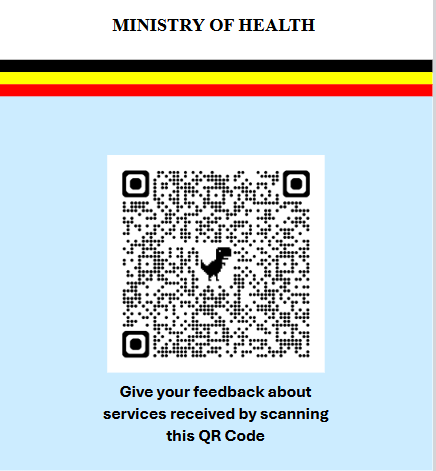
The QR codes, designed to be placed on facility doors and in wards, provide patients with a simple way to share their experiences, contributing to improved accountability and service delivery.
However, out of the 3,000 targeted health centers, only 1,240 have so far implemented the system—a disappointing figure given the program’s potential to transform healthcare delivery.
Dr. Atwiine emphasized the importance of the initiative in bridging gaps in service quality and fostering a culture of responsiveness within the healthcare system. “This is not just about addressing challenges; it’s also about recognizing and motivating health workers who excel,” she noted.
“If they are saying in this department, this nurse is very rude, it helps us. And I will assess when I am in the hospital because this one is to empower the patient if they have something to say. Because people were complaining, asking how to reach us,”she added.
To address these challenges, the Ministry of Health is ramping up efforts to sensitize health administrators and provide necessary support to accelerate implementation.
“But somehow, hospital staff are saying that they need training.I don’t know what the training is all about really. Because I expect by now, every hospital I walk to, I must see this QR code everywhere,”Atwiine remarked.
Patients who have accessed the system have praised its convenience, but many remain unaware of its existence.
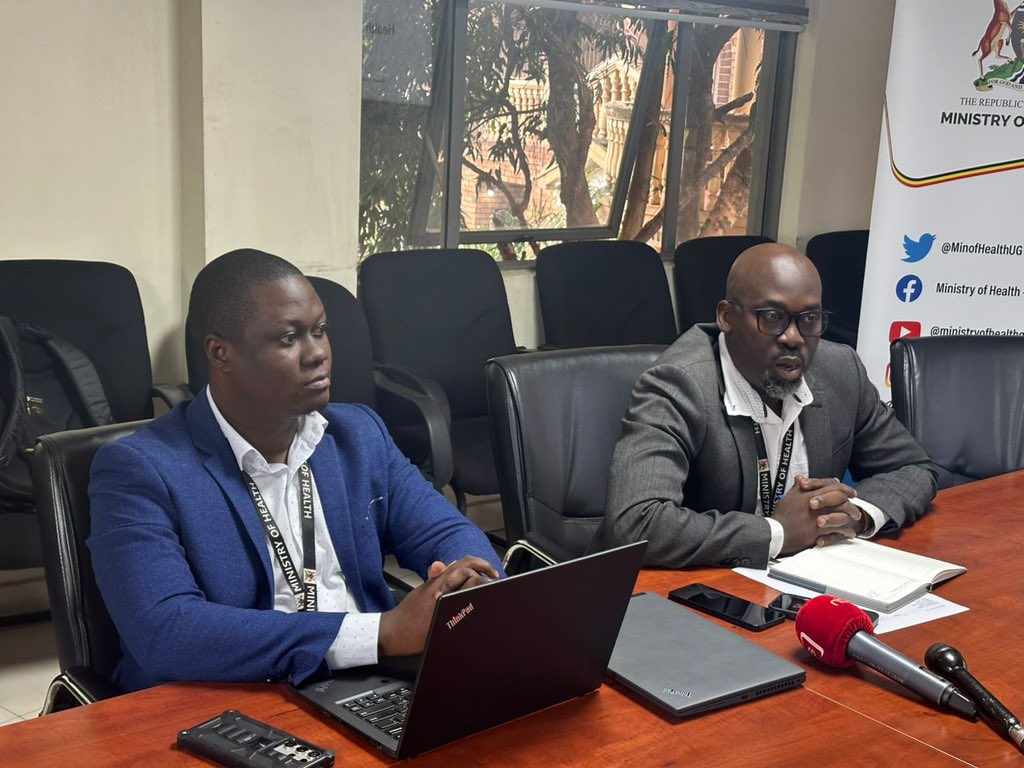
“What we really want to know is that are there proper treatment practices,account for the commodities we receive and for the time and productivity of health workers to make sure that they earn the payment they receive,including the ability to detect any disease of public health concern in real time,” noted, Mbaka Paul,Assistant Commissioner, Health Services and Health Information Management Division.
The challenges with this digitization process according to Jamiru Mpiima,the Cordinator, is the unreliable power supply, high cost of connectivity and the low ICT literacy of Health workers.
Their concerns arose during a media meeting on Digitization and Electronic Records System as a part in the wider implementation of the government’s Health Information & Digital Health Strategy for a 5-year period aligned to the National Development Plan.