



Urban Planning and Development experts have proposed the introduction of a law mandating rainwater harvesting in every residential and commercial building, citing its potential to significantly reduce road destruction caused by unmanaged runoff.
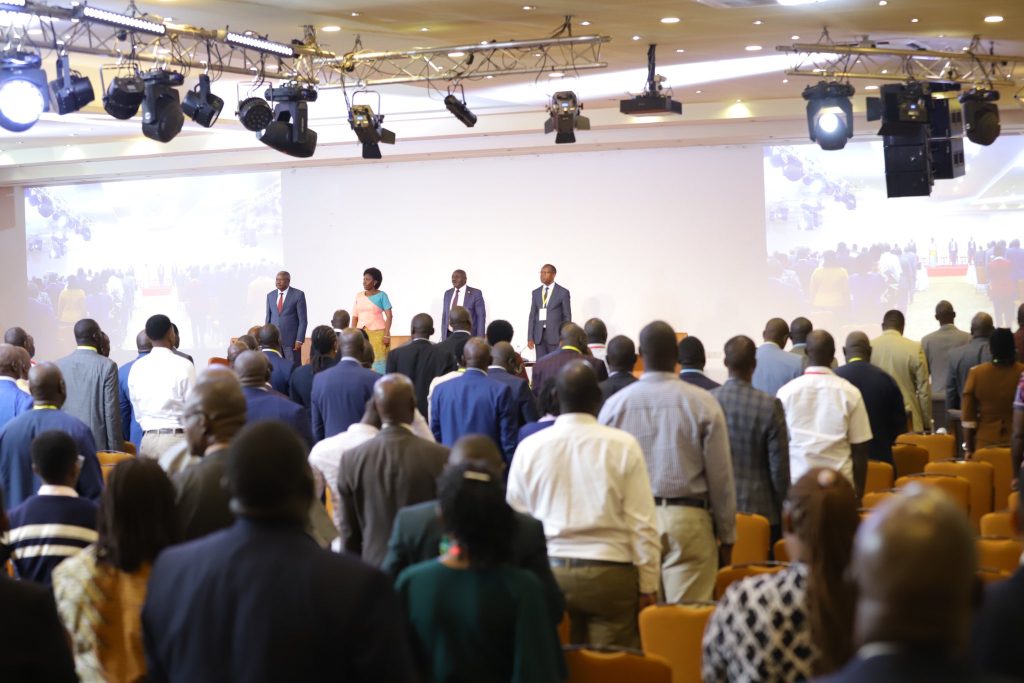
Speaking at the inaugural Uganda National Urban Development Conference 2025 held at Speke Resort Munyonyo, Minister of Works and Transport, Gen. Katumba Wamala, emphasized the urgent need to adopt practical measures to preserve Uganda’s road infrastructure.
“Our roads are suffering. You find tarmac covered halfway with debris, people scrambling to avoid potholes, and accidents becoming more frequent,” Gen. Katumba said. “We must legislate that every new construction includes rainwater harvesting to manage the runoff that’s damaging our roads.”
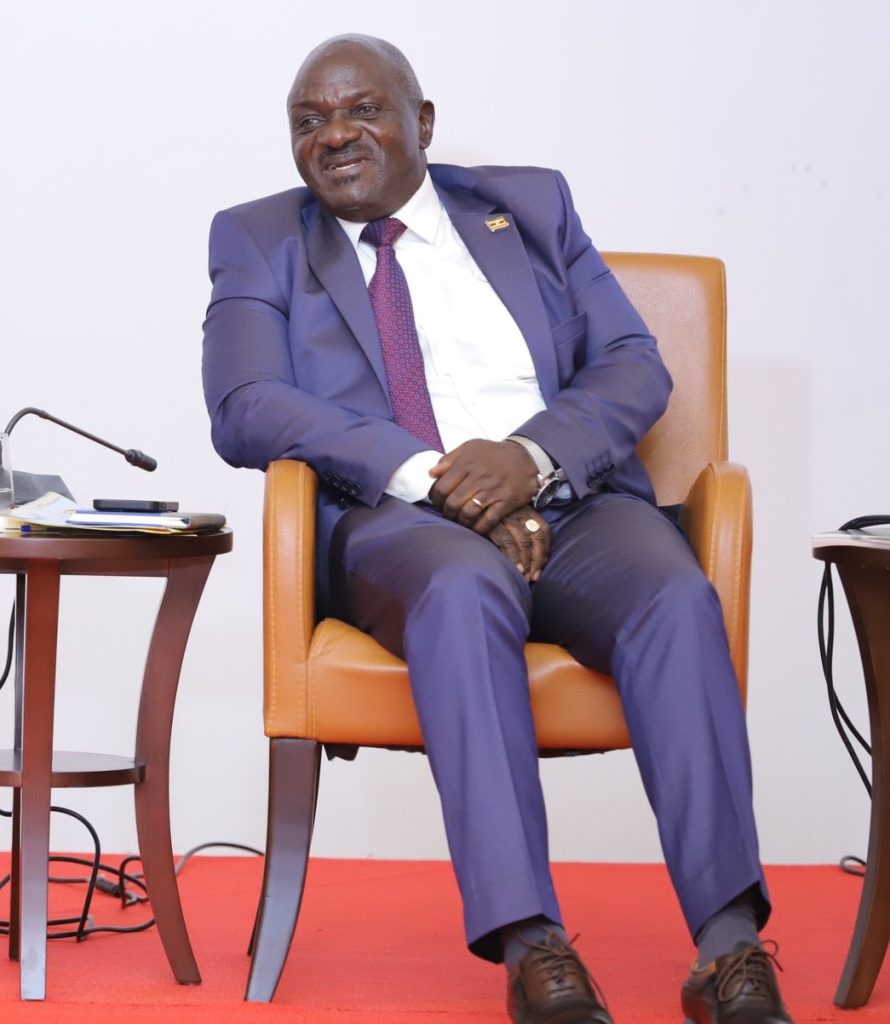
Katumba also highlighted other critical urban issues, including poor waste management and trading activities spilling into roadways. “Urban areas are extremely dirty. Vendors are placing charcoal stoves right on walkways,” he added, urging local governments to enforce existing laws under the Roads Act.
Minister of Lands, Housing and Urban Development, Judith Nabakooba, echoed these sentiments, revealing that Uganda is urbanizing at a rapid pace—37% urbanization rate with an annual growth of 5.2%. She warned that by 2050, half the country’s population will be living in urban areas, amplifying infrastructure and service delivery challenges.
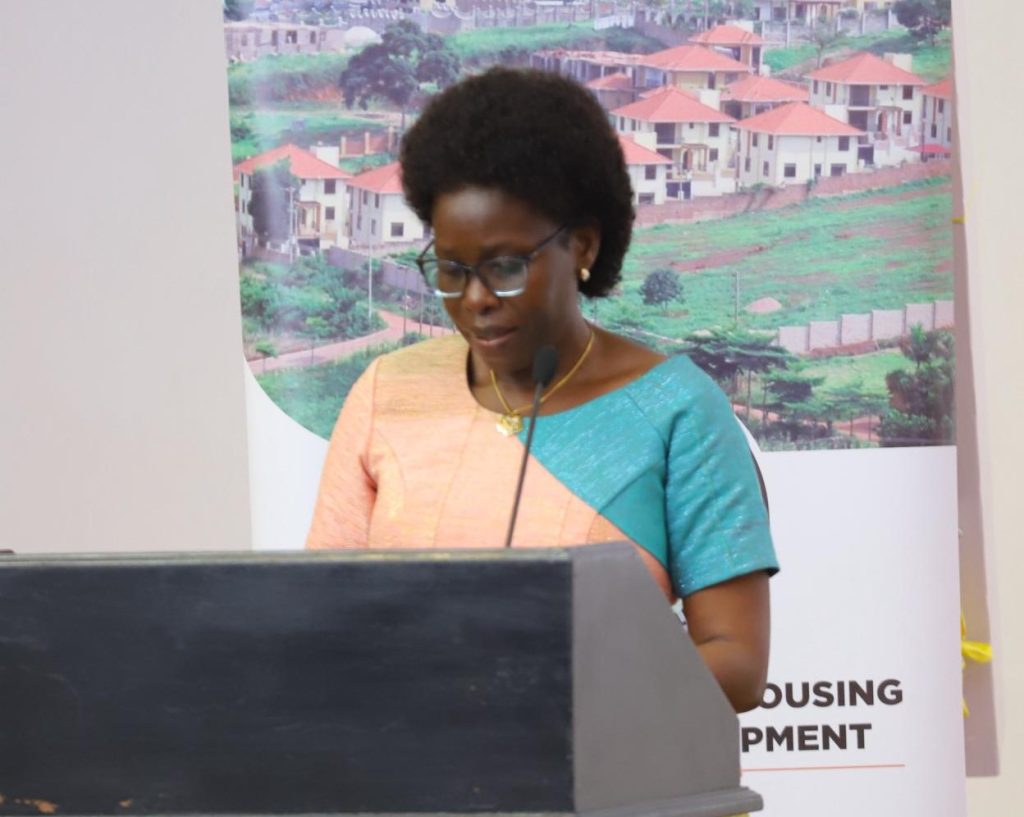
“Only 15% of our urban roads are paved, and solid waste collection stands at just 40%. Urban unemployment remains high, especially among the youth,” she noted. “Urban areas contribute over 70% of Uganda’s GDP. Addressing these issues requires collective efforts from all stakeholders.”
While acknowledging the strides made, stakeholders agreed that more needs to be done to cope with the pressures of rapid urbanization. From improved planning to stronger enforcement and innovative policies like mandatory rainwater harvesting, the path to sustainable urban development in Uganda is one of collaboration and commitment.
Samuel Mabala, Country Advisor for Cities Alliance Uganda and keynote speaker at the event, emphasized the critical link between urbanization and structural economic transformation. He argued that effective urbanization would enable Uganda to shift labor from low-productivity agriculture to high-value industrial and service sectors.
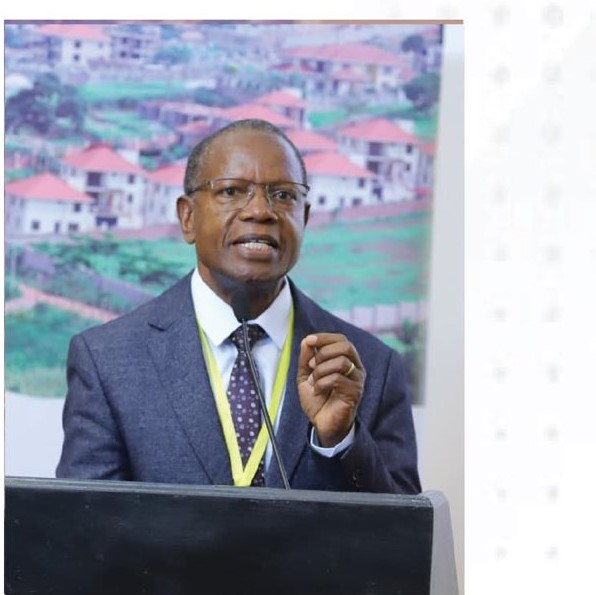
“Historically, urbanization has driven economic transformation,” Mabala said. “We need to reduce the 70% of our population currently in agriculture to about 20%. Our cities must become centers of high demand to attract investment. Scattered, underpowered towns won’t achieve that.”
He drew parallels with South Korea’s transformation in the 1960s, where a shift from agriculture to manufacturing and services, supported by urbanization, dramatically boosted GDP and urban population. “A city like Tokyo hosts 35 million people on less than 4% of the land. That’s infrastructure efficiency we should learn from,” Mabala added.
The conference showcased the impact of the Uganda Support to Municipal Infrastructure Development (USMID) program, which has played a transformative role in urban growth and service delivery.
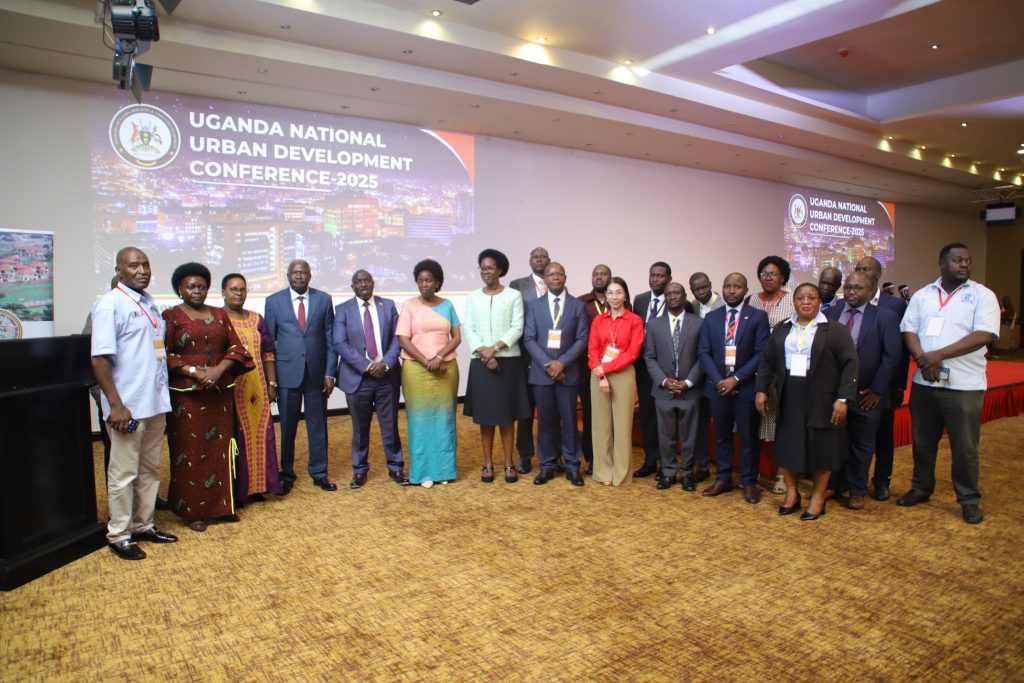
Huyen Phan, Task Team Leader at the World Bank, lauded the program for its role in improving local government capacity, boosting infrastructure, and enhancing job creation.
“USMID has facilitated over 200 km of high-quality urban roads, 330 km of pedestrian and cycling lanes, and more than 12,800 street lights—making cities safer and more inclusive,” Phan said. She emphasized the need for continued investment in climate-resilient infrastructure and urban governance.
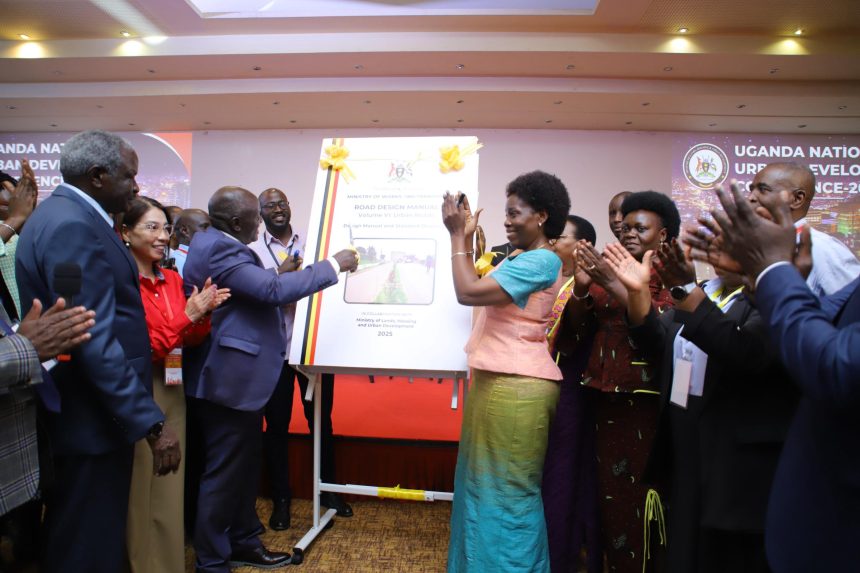
The event climaxed with the launch of the Urban Roads Manual, a document that serves a tool for guidance and recommendations to engineers and other professionals involved in urban transportation infrastructure, ensuring that projects are built to meet the needs of users and adhere to uniform standards.