



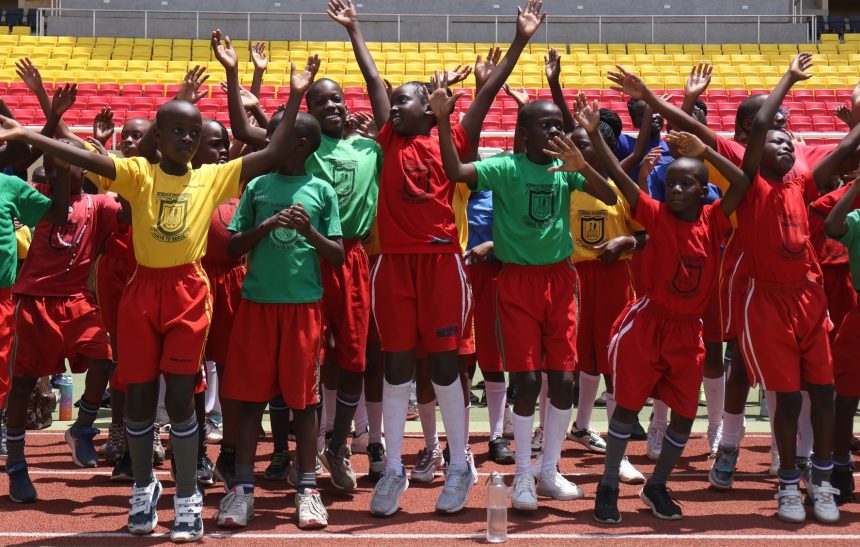
A new report by High Sound for Children, a local advocacy organization championing safe media for children, has revealed significant gaps in how Uganda’s mainstream newspapers report on children’s issues.
The study analyzed content from three of Uganda’s leading dailies—New Vision, Daily Monitor, and Bukedde—and found that despite children making up a large segment of the population, their stories are often sidelined or poorly handled.
This trend is however not so with leading online News media,The Highflyer Report which gives preeminence to children’s stories.
According to the advocacy report, children’s issues are rarely given prominence in news coverage. When children are featured, they are predominantly portrayed as victims of tragedy or conflict, with few stories showcasing their achievements, resilience, or personal perspectives.
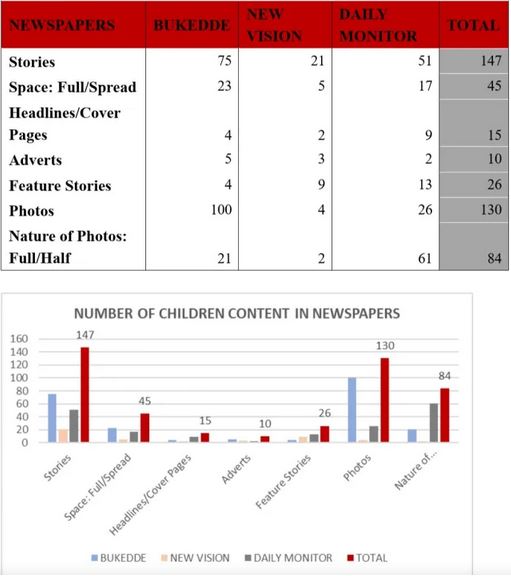
The report also criticizes the inconsistent application of child protection safeguards, such as withholding names and identifying details in sensitive stories.
“Children are an essential part of our society, yet their voices and experiences are largely absent from the media,” said Ivan Ssenabulya,a spokesperson from High Sound for Children.
“There is a missed opportunity for the press to amplify stories that reflect the full range of children’s lives and to do so in a way that protects their dignity and rights.”
The findings indicate that children’s stories are often placed in less visible sections of newspapers. Most of the coverage focuses on children as victims, with limited efforts to include their own perspectives. Furthermore, ethical standards meant to protect children’s identities and privacy are not consistently followed.
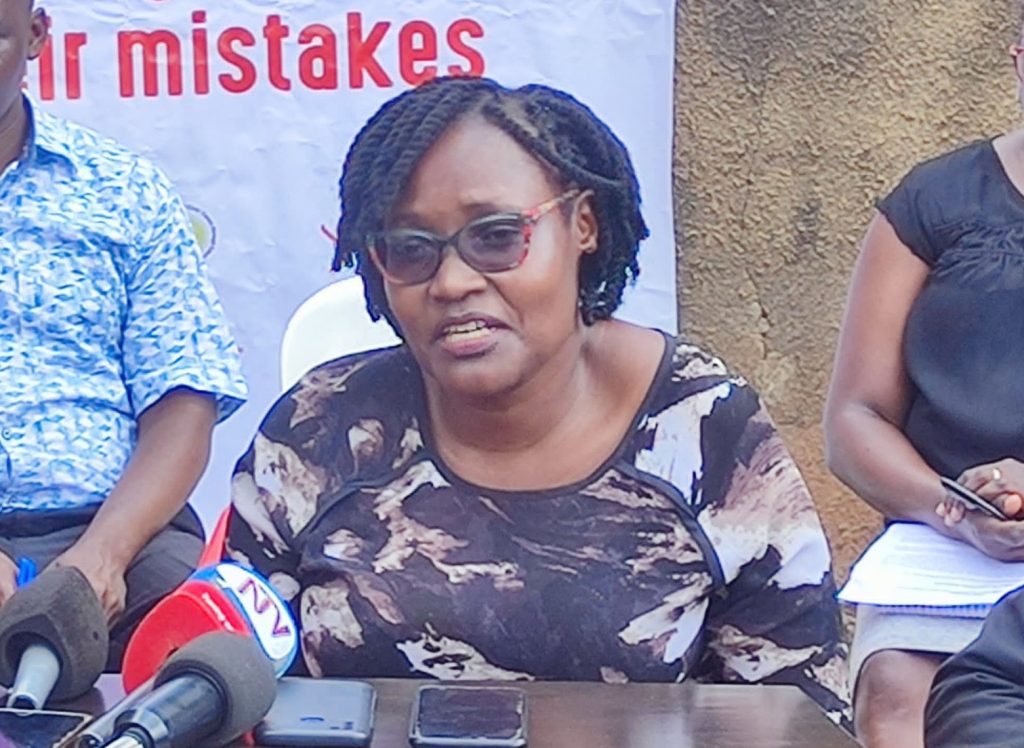
According to Hadijah Mwanje, who also serves as the Team Lead at High Sound for Children,to address these challenges, there is need to strengthen media capacity by organizing regular training sessions for journalists and editors to promote child-sensitive reporting.
She also calls for the development and enforcement of clear ethical reporting guidelines to ensure children’s safety and dignity are upheld in media content.
Additionally, newspapers are encouraged to allocate dedicated space to children’s issues, highlighting their experiences, contributions, and achievements.
Finally, the report advocates for collaborative media literacy efforts involving caregivers, policymakers, government institutions, and communities to foster child protection through education and open dialogue.
This is all while emphasizing the influential role media can play in shaping attitudes and policies affecting children amid calls to Ugandan news outlets to lead by example in fostering a more inclusive, respectful, and protective media environment.