



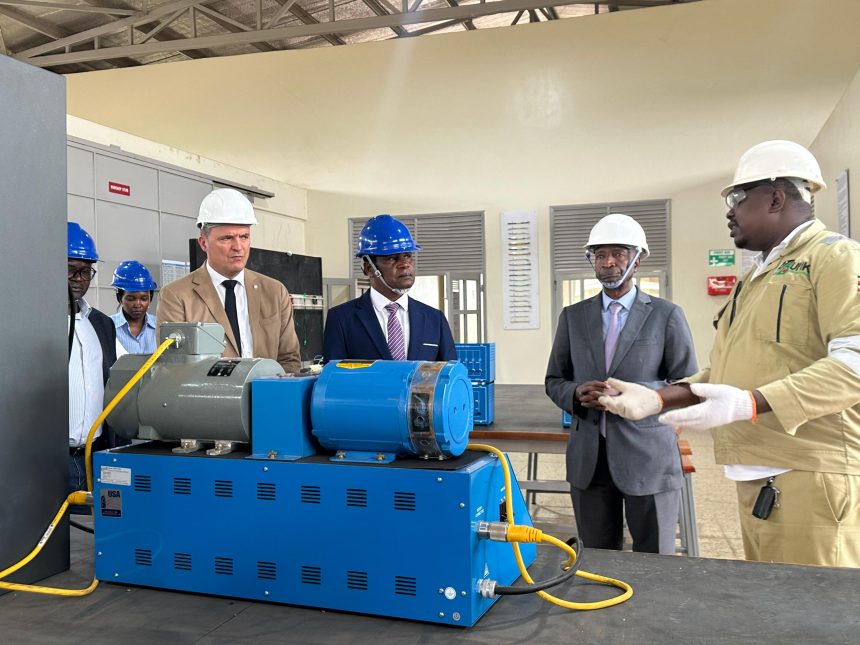
In a bold reaffirmation of its commitment to empowering Ugandan youth and maximizing national content, the East African Crude Oil Pipeline (EACOP) project has launched a landmark capacity-building program at the Uganda Petroleum Institute in Kigumba (UPIK), signaling a turning point for local participation in the country’s oil and gas sector.
A high-profile delegation led by Maj. Gen. Paul Kisesa Simuli, Tanzania’s High Commissioner to Uganda, Ernest Rubondo, Executive Director of the Petroleum Authority of Uganda (PAU), and EACOP Managing Director Guillaume Pierart, toured the institute and engaged with the inaugural cohort of EACOP trainees – 141 young Ugandans undergoing intensive technical training to manage the pipeline’s future operations.
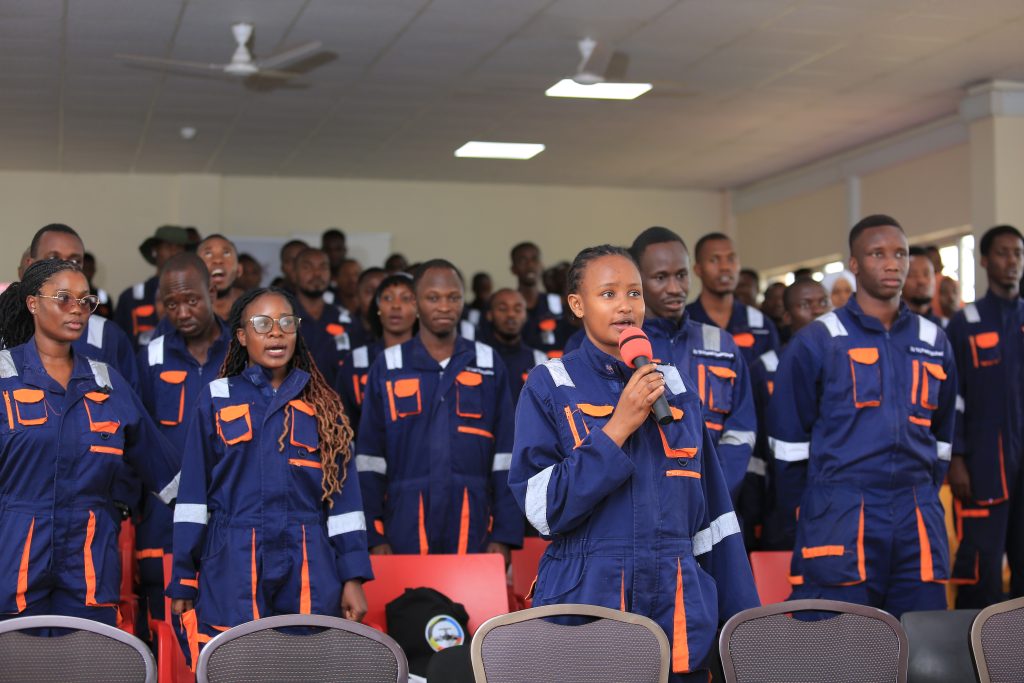
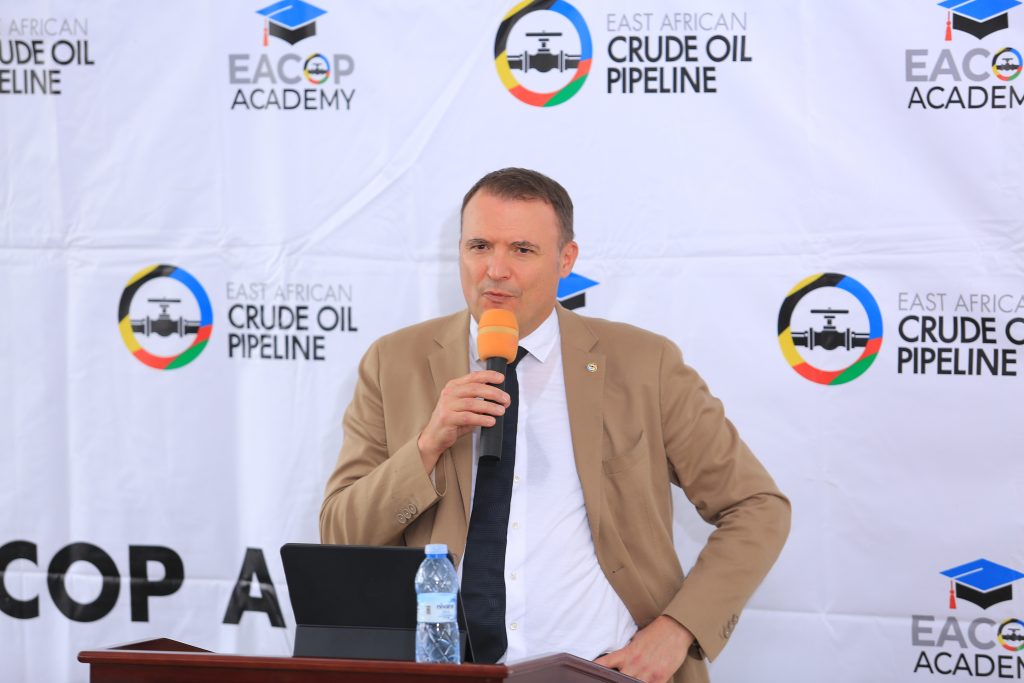
Pierart described the $15 million, 30-month training program as “one of the largest capacity-building efforts in the region,” emphasizing that its true value lies not in the monetary investment, but in the human potential it unlocks. “The return on investment is evident in the dedication, talent, and resilience of these trainees,” he said.
The program, which attracted over 13,000 applicants, selected only the best through a competitive process. A year in, all 141 trainees remain enrolled – a powerful testament to their commitment and the program’s effectiveness. Laurent Stephane, Academy Manager for Tilenga and EACOP, noted, “None have dropped out or failed. This speaks volumes about the motivation and promise of these young Ugandans.”
Trainees are not just gaining knowledge within Uganda; they are rotating through some of the world’s premier oil and gas training facilities including Takatouf Petroleum Oman and Malaysia’s INSTEP, gaining hands-on international exposure in safety, commissioning, and pipeline management.
PAU’s Ernest Rubondo lauded the initiative as a major stride toward lasting value creation. “Many think the value in oil is in the money,” he said. “But it is the transfer of knowledge, the employment of our youth, and the skilling of our people that will build a sustainable future. UPIK now rivals global institutions.”
The program’s personal impact was captured in the story of Sekera Jacob, a former history teacher turned pipeline trainee. “I had no engineering background, but EACOP saw potential. I’ve moved from chalk to pipelines,” she said with pride.
Maj. Gen. Simuli praised the initiative as a model for regional cooperation and youth empowerment. “This program will open doors beyond our borders. It’s proof that when we invest in our people, we shape a stronger, more united future.”
With the EACOP project now 62% complete overall — including 400km of pipeline welded and major infrastructure progressing steadily — the training program is laying the foundation for a locally skilled workforce that will sustain Uganda’s oil dream for generations to come.