



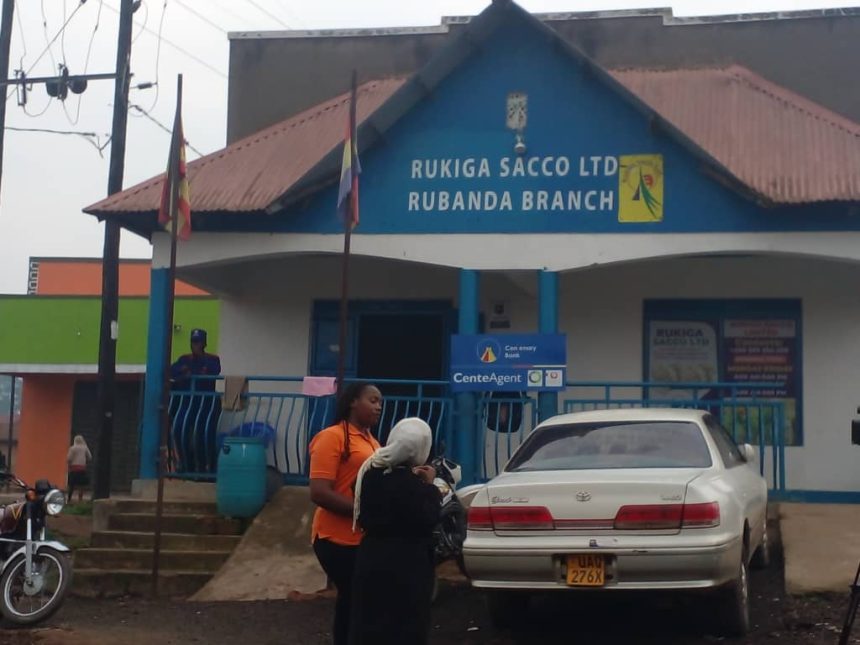
A powerful alliance of international development partners, local financial institutions, and farmer cooperatives is fundamentally transforming the agricultural landscape of the Kigezi highlands.
By tackling the chronic challenges of access to finance, quality inputs, and reliable markets, the initiative is driving a new era of prosperity and resilience for thousands of smallholder farmers in the region.
At the heart of this transformation is a partnership between the International Fertilizer Development Center’s (IFDC) BRIGHT Project and Agriterra, an international specialist in cooperative development. Their collaborative effort is focused on a single, powerful objective: to make farmer groups in Kigezi truly bankable.
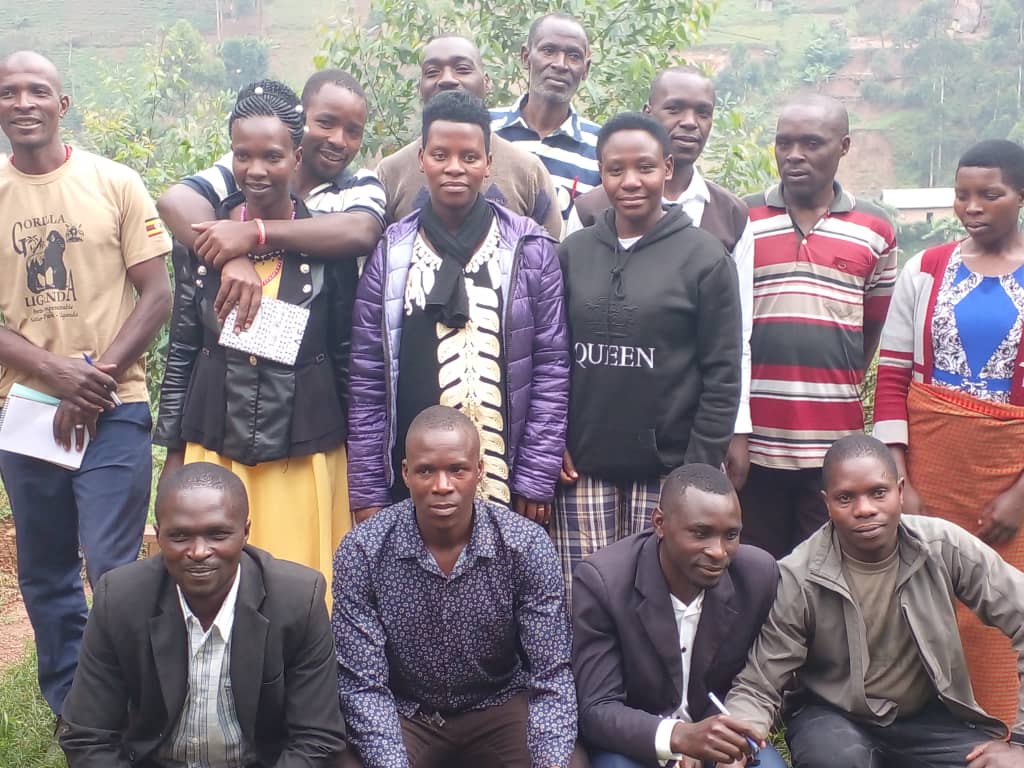
According to Rodious Kyasimire, a Field Officer with Agriterra in the Kigezi region, this involves a holistic approach. “We have stepped up efforts to make farmer groups in Kigezi bankable, linking them to quality inputs, finance, and reliable markets,” Kyasimire stated.
“Over 90 farmer groups in the region are now receiving intensive training in governance, record keeping, and modern agronomic practices. This comprehensive capacity building is the bedrock for boosting productivity and ultimately, the incomes of our farmers.”
The impact of this ground-level support is vividly clear at the Nyabyumba Farmers Savings and Credit Cooperative Organization (SACCO) that has become a beacon of success. From humble beginnings in 2004 with just 16 members, the SACCO has experienced explosive growth, now boasting over 3,800 members and a loan portfolio exceeding UGX 2 billion.
Ambrose Akankwasa, the Chairman of Nyabyumba Farmers SACCO, attributes this remarkable growth directly to the intervention.
“IFDC has done tremendous work for the community of Nyabyumba and the Circle at large,” Akankwasa remarked.
“They have brought a project that is building resilience and inclusive growth for highland farming through rural transformation. With the support of IFDC and Agriterra, we were able to redefine and develop a modern credit lending policy that is now helping us to drastically reduce our loan default rate.”
One of the most significant breakthroughs has been in unlocking access to affordable capital. Before the partnership, the SACCO relied solely on its internal savings, which severely limited its lending capacity. The BRIGHT Project changed this by acting as a crucial link to formal financial institutions.
“Before IFDC, we had never secured an external loan. We were relying on our internal capitalization and the growth was slow,” Akankwasa explained. “IFDC and Agriterra linked us with external finance loan service providers. We received 300 million shillings to give specifically to smallholder farmers, especially those in high-value crops, and also women and youth. That was a game-changer for our liquidity.”
This external financing allowed Nyabyumba to lower its interest rates from 3% to 2% per month, a move that has increased member loyalty and reduced the financial burden on farmers. “Now members are very loyal to their circle,” Akankwasa noted.
“They come here at a low interest rate, happily go and invest in agriculture, and then they also pay with ease. This has helped them increase their production capacity. A member who was maybe harvesting 10 bags of Irish potatoes is now able to harvest 40 bags,” he added.

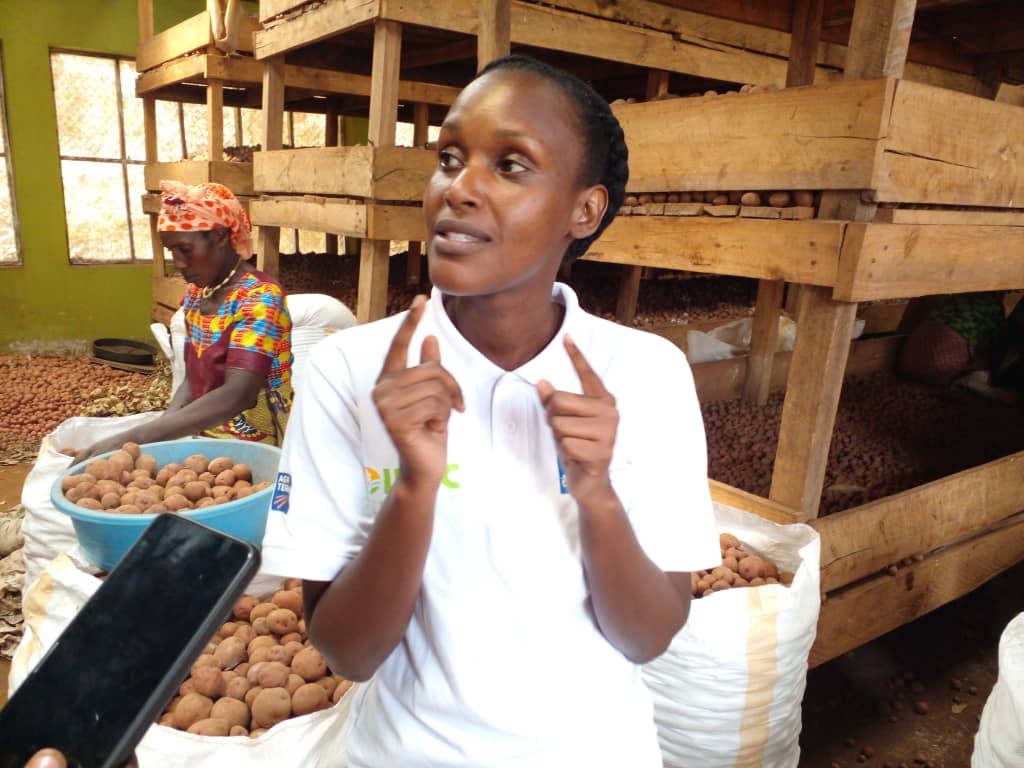
The support extends far beyond finance. Kyasimire of Agriterra highlighted critical infrastructure improvements. “Cooperatives in Kigezi are now benefiting from affordable storage facilities and access to certified seed potatoes, thanks to partnerships under the BRIGHT Project”.
“This initiative is helping smallholder farmers maintain quality produce while cutting post-harvest losses, ensuring they get the best possible price for their harvests,”she remarked.
Perhaps the most daunting challenge for Kigezi farmers has historically been accessing profitable and reliable markets. The partnership has systematically dismantled this barrier by brokering formal agreements with major off-takers.
“With the support of the Bright Project and IFDC, we got an opportunity to be linked to off-takers. We have signed a quite number of MOUs,” said Akankwasa. These include major companies like Summy Foods Ltd. and M-Creamer Solutions in Kampala, and even cross-border buyers such as Msanze, in Rwanda. The SACCO has already begun supplying these partners with Irish potatoes, creating a predictable and profitable outlet for members’ produce.
This market access is being further bolstered by a massive infrastructure upgrade. The IFDC BRIGHT Project has recently revealed that 85 percent of the critical Rubanda–Kigezi road rehabilitation is complete. This 1.6 billion shilling project, co-funded with the Rubanda District Local Government, is expected to dramatically lower transport costs and improve market access for potatoes, sorghum, and other produce.
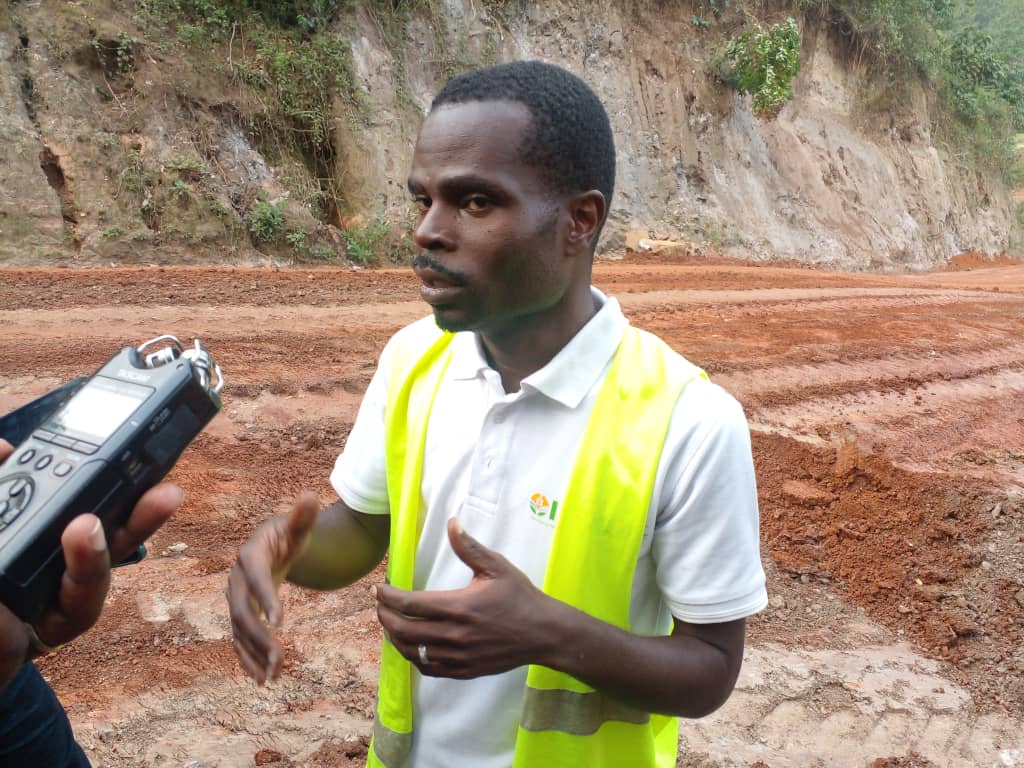
Moses Mubiru, the Partnerships and Grants Officer with IFDC, confirmed that the road project will directly raise farmer incomes once finalized. A smoother, more reliable road means less damage to perishable goods and lower costs, putting more money directly into the pockets of farmers.
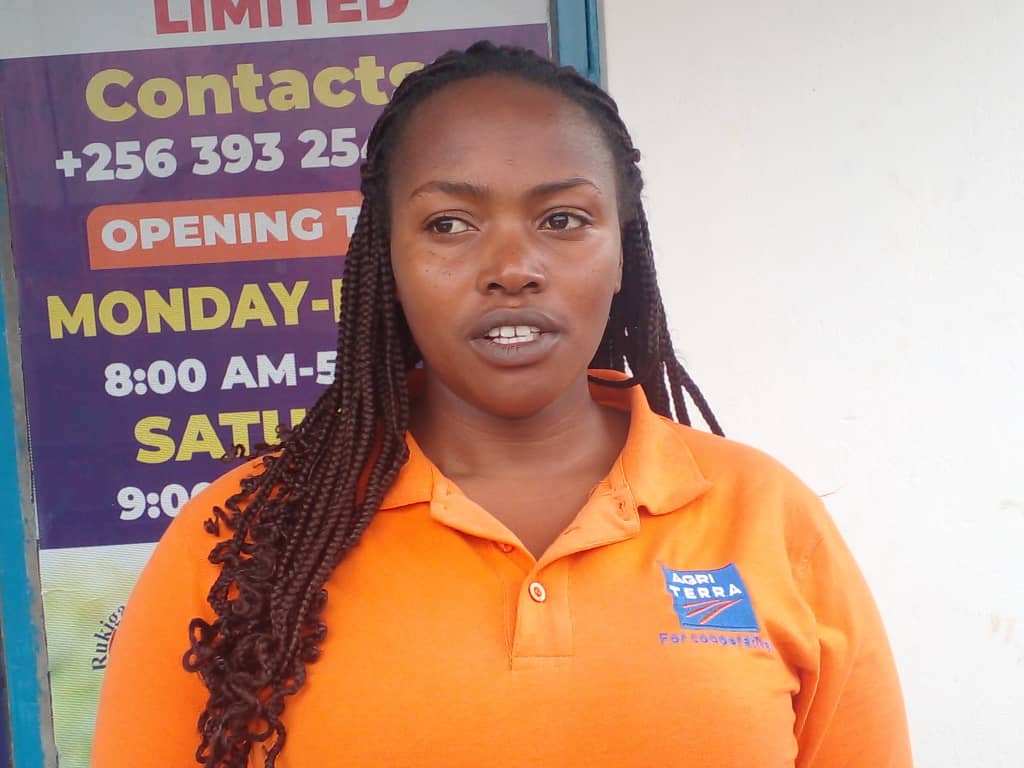
The success of these interventions is also being mirrored in other cooperatives across the region. Bushande Darious, Manager of Rukiga SACCO in Rubanda District, emphasized how the training has revolutionized their operations.
“The capacity building in governance and financial management has been invaluable,” Darious said. “We are now better equipped to assess risk, manage our portfolios, and serve our members more effectively. Agriterra’s model of making us bankable isn’t just about getting a loan; it’s about building a sustainable, professional financial institution that farmers can trust and rely on for generations. This partnership has given us the tools to truly serve our community.”
The tangible results are undeniable. Nyabyumba Farmers SACCO has seen its portfolio-at-risk—a key indicator of loan defaults—plummet from a critical 70% to less than 20% in just two years. Farmers are not only producing more but are also earning more from their harvests, leading to improved household incomes, better food security, and the ability to invest in education and healthcare.
The story unfolding in the Kigezi highlands is a powerful testament to what can be achieved when international expertise, local partnership, and farmer-led initiative are strategically aligned. By building from the ground up—strengthening governance, facilitating finance, improving infrastructure, and securing markets—the partnership between IFDC, Agriterra, and the determined farmers of Kigezi is cultivating a future of sustainable prosperity and resilience.