



Residents living around the Budongo Forest catchment area in western Uganda are beginning to experience renewed economic and social prospects following the elimination of river blindness, a disease that for decades undermined productivity and livelihoods in the region.
Authorities confirmed that Onchocerciasis, commonly known as river blindness, has been eliminated in parts of Bunyoro, particularly in Masindi District, Buliisa District, and Hoima District, areas surrounding the Budongo Forest Reserve. The development marks a major public health and economic milestone for communities that historically bore the brunt of the disease.
River blindness is caused by the parasitic worm Onchocerca volvulus, transmitted through bites from infected Simulium blackflies that breed near fast-flowing rivers. The infection causes severe itching, skin disease and, in advanced cases, permanent blindness.
For decades, villages along rivers such as Kasokwa, Siiba and Waaki experienced significant social and economic disruption. Many residents were unable to work, attend school, or participate in community life due to the disease and the stigma associated with it.
“People constantly scratched themselves and avoided social gatherings. Children were missing school, and communities isolated those affected,” recalled Dr. John Turyagaruka, a former district health officer for Masindi. The first complaints emerged in 1989, prompting health authorities to alert the Ministry of Health Uganda, which later confirmed the outbreak.
Mass drug administration began in 1991, supported by international health partners including The Carter Center and guidance from the World Health Organization. After more than two decades of treatment campaigns, the disease was declared eliminated in the area in 2017.
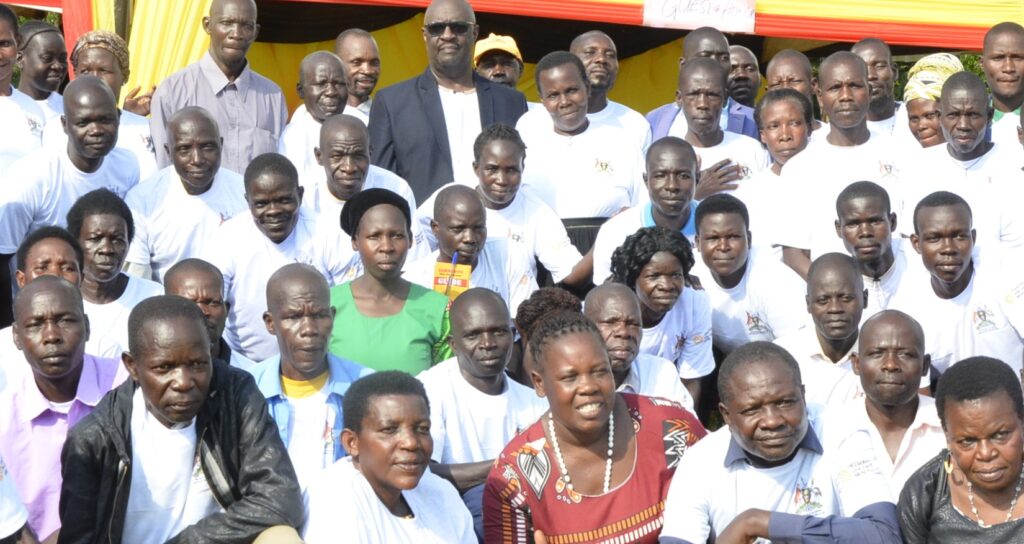
Health officials estimate that roughly 150,000 people in the Budongo catchment area were affected at the peak of the outbreak.
Local authorities say the economic impact of eliminating the disease is already visible. Samuel Kaija, chief administrative officer of Masindi District, noted improvements in school enrollment, household incomes and agricultural productivity since the disease was eliminated.
“When the disease was widespread, some areas near the rivers were almost uninhabitable,” he said. “Now communities are returning, children are studying, and people are more productive.”
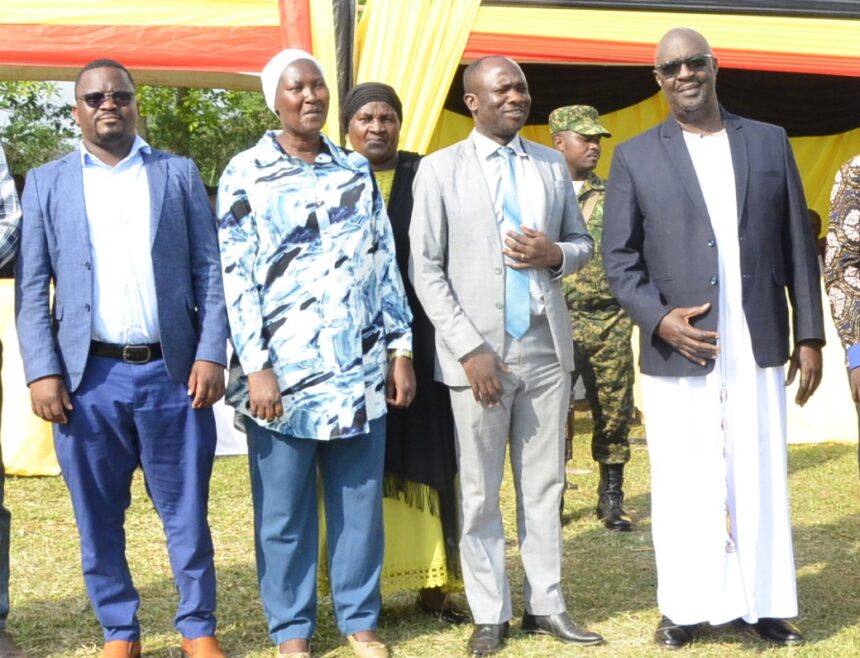
The achievements were commemorated during this year’s World Neglected Tropical Diseases Day celebrations held at Nyantonzi Health Centre III under the theme “Unite, Act and Eliminate.”
Dr. Edrinah Muheki, country representative for The Carter Center, warned that continued surveillance remains essential to prevent a resurgence of the disease.
Regional leaders say the success provides a model for tackling other neglected tropical diseases that still affect rural communities. Andrew Byakutaga, prime minister of the Bunyoro-Kitara Kingdom, said eliminating river blindness allows families to plan for the future and participate fully in economic activities.
Health experts now say the focus must shift toward sustaining surveillance while expanding interventions against other neglected diseases that continue to affect vulnerable populations across rural Uganda.