



By Ainganiza Stephen – Kabarole
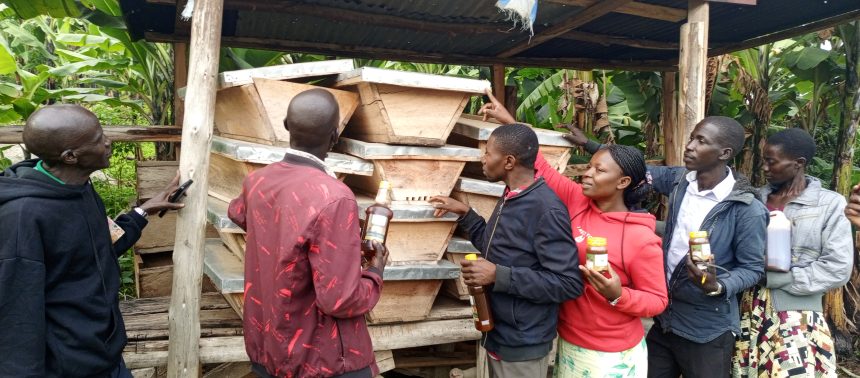
In the scenic mountainous landscapes of Kabarole District, an inspiring youth-led beekeeping initiative is transforming lives and livelihoods. Spearheaded by the Kabarole Youth, the project empowers more than 512 beekeepers and produces an estimated 40 tons of honey annually. Beyond honey production, it represents a movement toward sustainable income generation and community resilience.
The initiative is the brainchild of 35-year-old journalist Kikora Masereka Yonah, a media practitioner at Voice of Tooro 101 FM and founder of the Bulhalho Foundation.
Established in 2017 in Kyabwire Zone, Nyakitokoli Parish, Karangura Sub-county, the foundation initially started with 45 youths—many of whom were former Rwenzururu Royal Guards who had surrendered to the government.
“We trained them in beekeeping, hairdressing, carpentry, and bricklaying to provide sustainable employment paths. Since then, over 1,349 youths have graduated,” Kikora explains.
According to Kikora, beekeeping offers a viable source of income for the unemployed due to its low capital requirement and minimal labor demands. Notably, the sector is becoming more inclusive, with 27% of participants now being women and 35% youth. The honey market continues to expand both locally and internationally, creating new economic opportunities for rural communities.
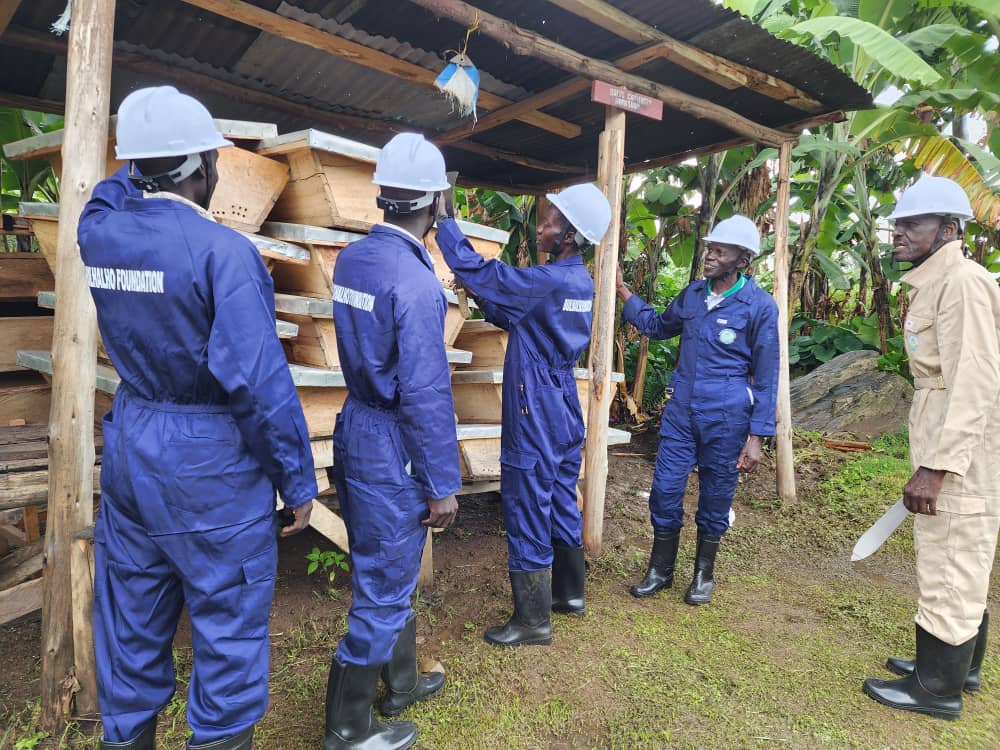
With operational branches in Karago Town Council, Fort Portal Tourism City, Ntoroko, and Bundibugyo, the foundation has formed 19 beekeeping groups across the region. Collectively, these groups generate about UGX 480 million annually.
The success is further supported by partnerships with the German Embassy and Bees Abroad, which provide training and resources to promote sustainable apiculture practices.
Beyond economic empowerment, beekeeping has also contributed to reducing gender-based violence and unemployment while promoting environmental conservation through tree planting for bee forage. “It’s a family-inclusive activity that supports households and the environment,” Kikora adds.
The initiative’s impact is evident in the stories of its beneficiaries. For instance, 24-year-old Nyama Ronald from Kibaga B earns over UGX 400,000 per month through honey production and value addition, while 31-year-old Natukunda Evas from Kamabale Parish attributes her financial stability to beekeeping.
Despite these achievements, challenges persist, including land fragmentation and misconceptions about the practice. Trainer Eribankya Nicolas underscores the need for proper training and awareness, noting a surge of trainees from various districts such as Arua, Gulu, Lira, and Kamwenge.
One such trainee, Charles Opobo, chairperson of the Lira Community Beekeepers, says the training has enabled their group to support 110 members. “We started to address youth unemployment, and beekeeping has provided a practical solution,” he says.
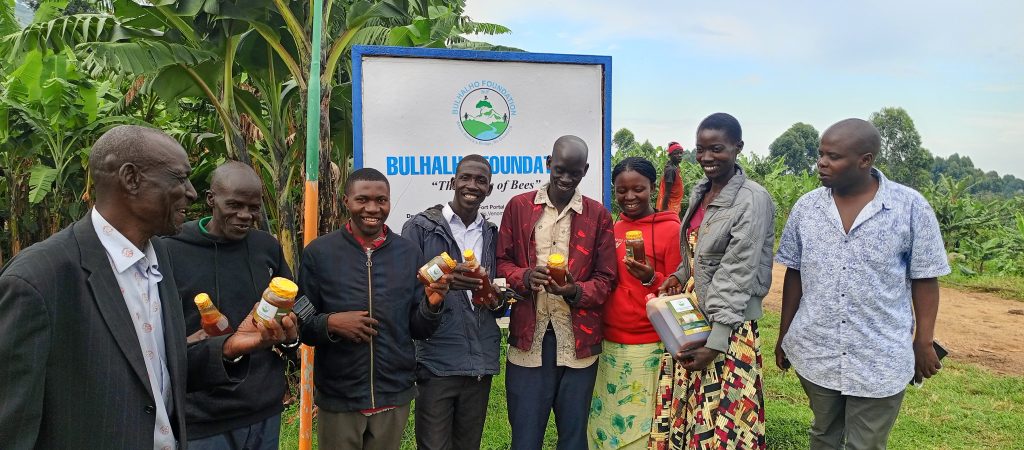
Similarly, his colleague, Ogwal Samuel, notes that the skills acquired have transformed his livelihood. Beyond beekeeping, their group also manages tree nurseries distributing indigenous species to promote environmental sustainability.
As the Kabarole Youth continue to expand their impact, beekeeping is proving to be more than an agricultural venture—it is a catalyst for social transformation, economic growth, and environmental stewardship in western Uganda.