



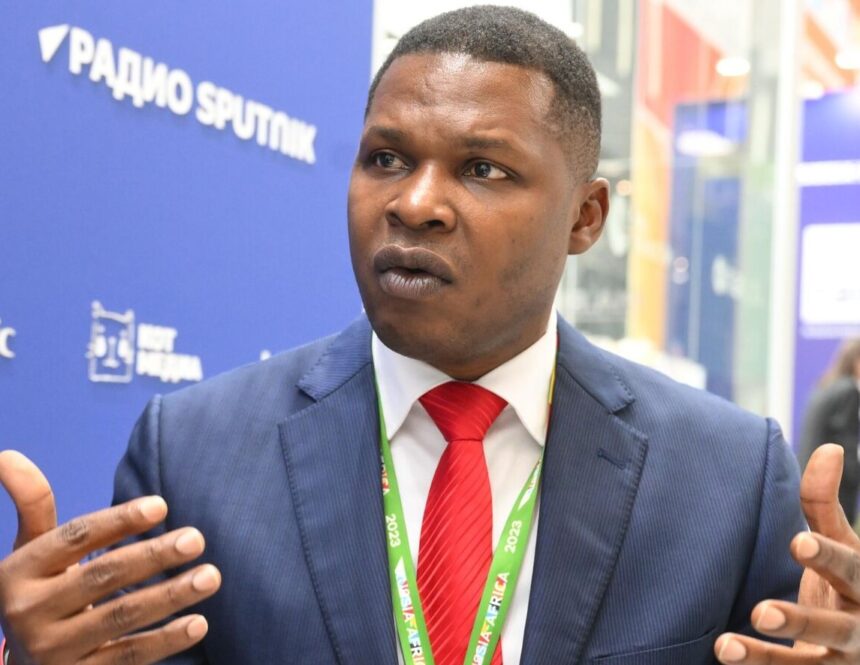
The African Energy Chamber (AEC) has urged oil and gas stakeholders to boycott the upcoming Africa Energies Summit in London, citing concerns over the exclusion of Black African professionals from the event’s leadership.
The summit, organized by Frontier Energy Network and scheduled for May 12–14, bills itself as “Africa’s Premier Global Upstream Conference,” but its lack of African representation in key positions has drawn sharp criticism.
AEC Executive Chairman NJ Ayuk condemned the summit’s leadership under Daniel Davidson, stating that it reflects a broader trend of marginalizing African talent in an industry built on the continent’s resources.
“We will not accept being ‘Blacked-out’ from the oil and gas industry. We want an industry that is welcoming, inclusive, and supportive. Companies like Frontier Energy take the opposite approach by refusing to hire Black Africans and even banning them from entering certain spaces,” Ayuk said.
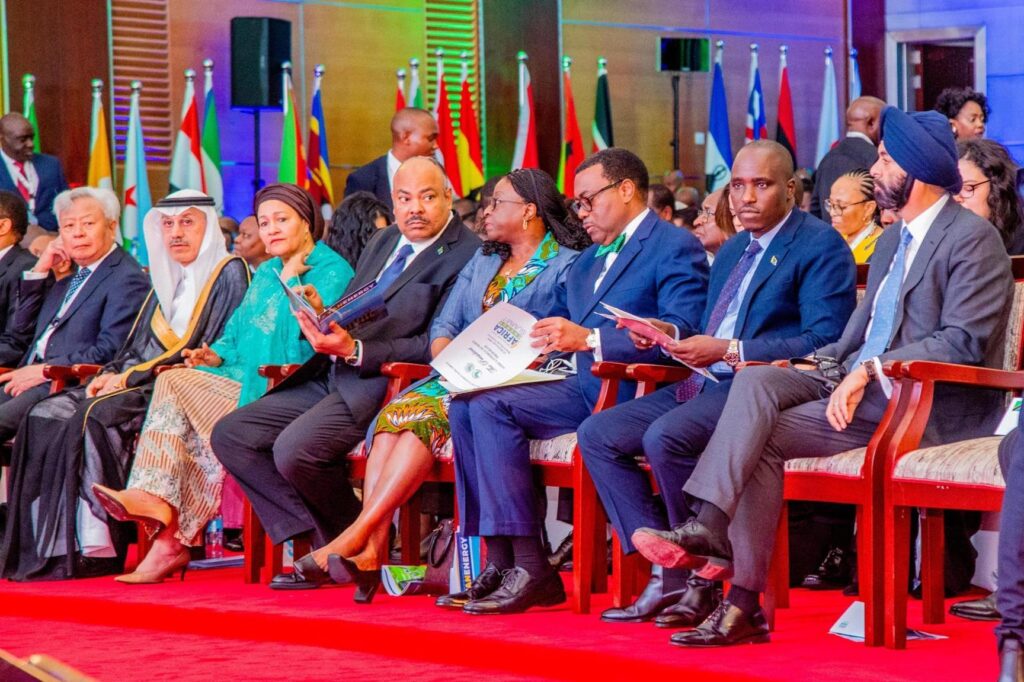
The AEC argues that African inclusion must go beyond conference stages and promotional messaging. It should be demonstrated through hiring practices, leadership development, supplier engagement, and opportunities across the energy value chain. Without meaningful participation, any Africa-focused branding risks being seen as purely profit-driven.
Highlighting examples of African-centered leadership, Ayuk pointed to Africa Fortesa Corporation, led by Rogers Beall, which operates the Gadiaga onshore gas field in Senegal. The company has prioritized employing African professionals and has maintained strong local engagement even during challenges such as the COVID-19 pandemic.
“When you see what Fortesa has achieved with majority African employees, it is clear that African inclusion and operational success are not mutually exclusive,” Ayuk said.
The chamber stressed that the stakes extend beyond recruitment. In a sector facing growing scrutiny from anti-fossil fuel activists, any perception of exclusion or neglect of African communities weakens the industry’s credibility.
Ayuk warned that discriminatory practices feed narratives used by critics, including international climate campaigners, that the oil and gas sector fails to value African talent or contribute to local development.
The AEC’s call comes as African students and professionals increasingly enter the oil and gas workforce with strong qualifications, expecting opportunities to contribute meaningfully.
“Africa’s oil and gas future must be built not only in Africa, but with Africans at its center,” Ayuk said.
The chamber concluded that without reforms to ensure local representation, the Africa Energies Summit risks being boycotted by a continent determined to claim its rightful place in global energy discussions.