



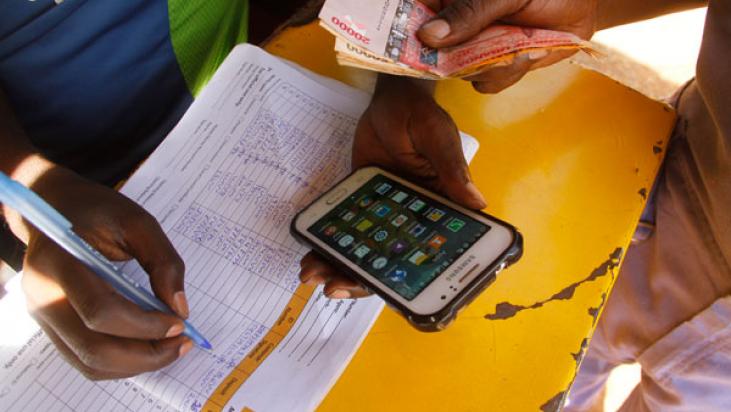
Few government policies have sparked as much economic debate in Uganda as the mobile money tax.
Originally introduced in 2018 as a sweeping levy on digital transactions, the tax was later revised to a 0.5 percent excise duty applied primarily to withdrawals.
But years after its introduction, the policy continues to divide policymakers, telecom companies and financial inclusion advocates.
At the heart of the debate is a simple question: should the government tax the very system that has become Uganda’s most widely used financial service?
Mobile money has transformed how Ugandans move money, pay bills and run businesses. Yet critics say even a small withdrawal tax discourages digital payments and pushes users back to cash.
Telecommunications companies operating the platforms have long warned that the levy risks slowing the growth of the digital economy.
Executives from major telecom operators, including Airtel Uganda and MTN Uganda, have previously told parliamentary committees that the tax reduced transaction volumes significantly after its introduction.
Industry representatives say the sector experienced a sharp drop in transactions during the early months of the policy, raising fears that users were abandoning digital payments altogether.
Financial policy analysts argue that the broader economic implications extend beyond telecom revenues.
Mobile money systems function as Uganda’s informal banking network, particularly in rural areas where traditional banking services remain limited.
Critics therefore argue that taxing mobile money effectively imposes a levy on financial access itself.
Government officials defend the tax as a necessary revenue stream in an economy where the informal sector remains largely untaxed.
Yet economists warn that the policy highlights a fundamental tension in Uganda’s fiscal strategy — balancing the need to expand domestic revenue while promoting financial inclusion and digital innovation.
As Uganda pushes toward a cashless economy, the future of the mobile money tax remains one of the most closely watched policy debates in the country’s financial sector.