



An innovative approach by Virika Hospital in Fort Portal is setting a new benchmark for patient privacy in HIV care, demonstrating how simple infrastructure changes can significantly improve healthcare experiences and encourage greater uptake of treatment services.
Following the integration of HIV services into the hospital’s general healthcare system, hospital administrators observed that some clients felt uncomfortable collecting their antiretroviral medicines at the pharmacy dispensing window.
Many feared that being seen receiving HIV medication could expose their health status, leading to stigma and discrimination.
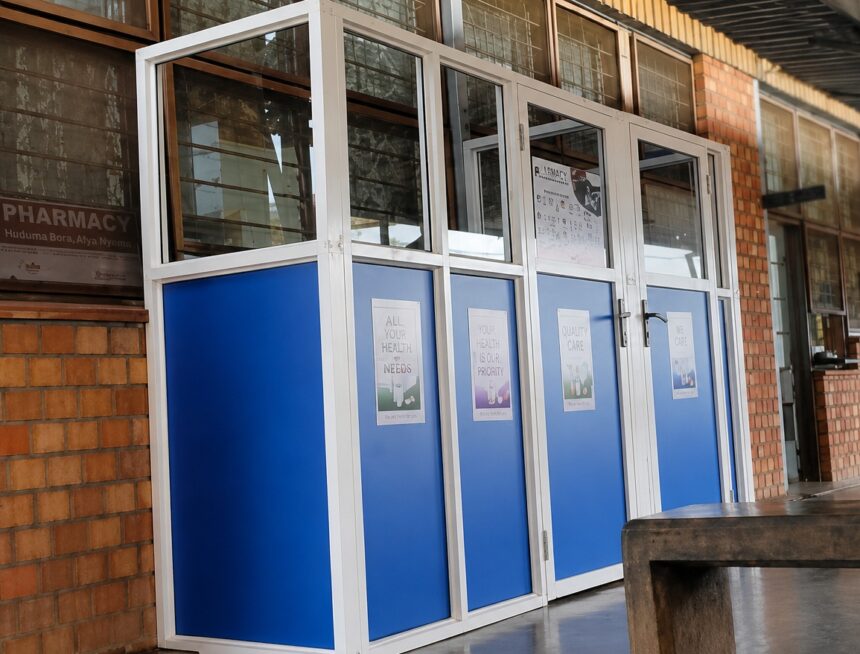
To address the challenge, the hospital introduced ATM-style privacy booths at its pharmacy dispensing area, offering patients a discreet and confidential way to receive their medication.
The enclosed structure consists of three individual service booths, allowing one client at a time to enter, collect their medicines, ask questions, and organise their prescriptions before leaving.
The next client is only invited into the booth after the previous patient has exited, ensuring complete privacy throughout the dispensing process.
Patients have likened the experience to using an Automated Teller Machine (ATM), where individuals conduct transactions in a private space without fear of being observed.
The innovation has already yielded positive results, with clients reporting increased comfort, dignity and confidence while accessing HIV treatment.
By removing the anxiety associated with collecting medication in an open setting, the hospital is helping strengthen patient trust and improve adherence to life-saving treatment.
Healthcare experts have long identified stigma as one of the biggest barriers to HIV testing, treatment and long-term care.
Even as Uganda continues integrating HIV services into mainstream healthcare to improve efficiency and accessibility, protecting patient confidentiality remains essential to ensuring that people living with HIV remain engaged in care.
As Uganda continues to strengthen its HIV response, the ATM-style privacy booths offer a practical and scalable model that other health facilities could adopt to safeguard confidentiality, reduce stigma and create more welcoming environments for people seeking HIV services.