



The Government of Uganda has announced a strategic shift to prioritize funding for critical areas in the health sector in response to the recent halt of international aid.
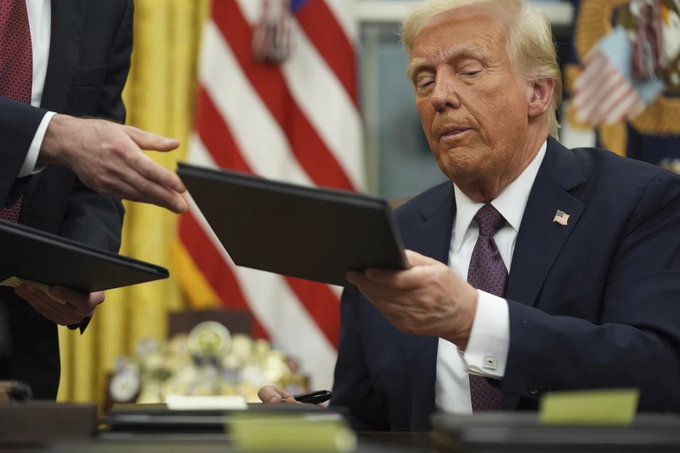
The move comes after an Executive Order by U.S. President Donald Trump suspended all foreign aid for 90 days, leaving a significant gap in funding for essential health programs.
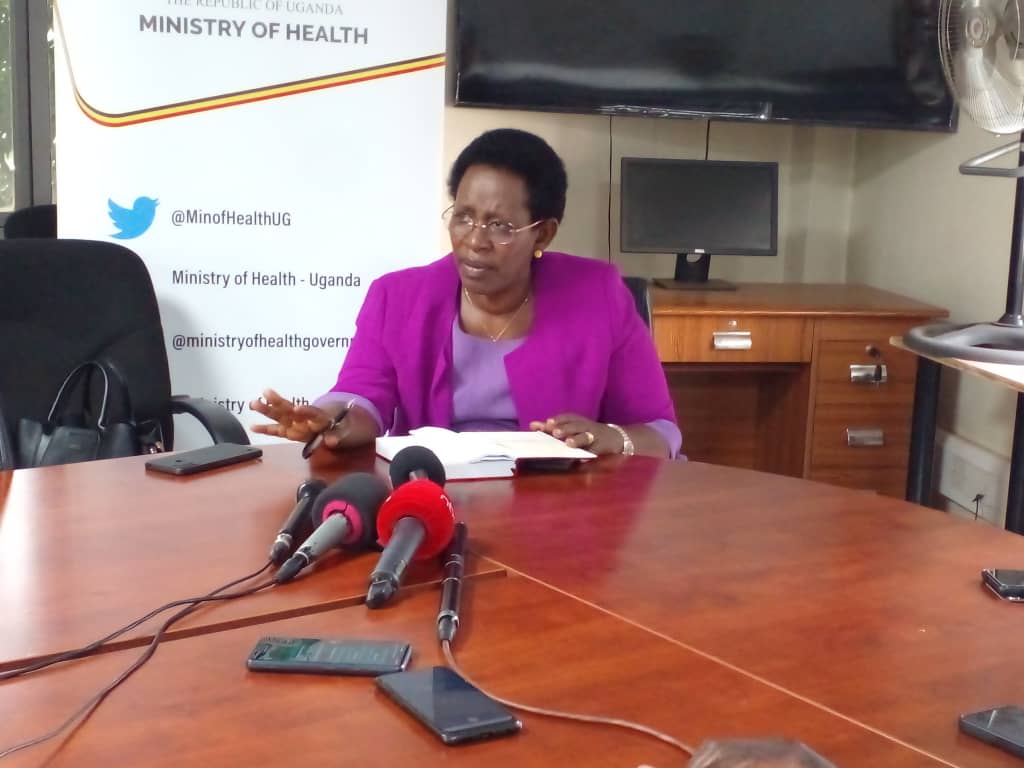
Dr. Diana Atwiine, the Permanent Secretary of the Ministry of Health, revealed the government’s position following a high-level meeting with funders and partners involved in combating HIV/AIDS and other infectious diseases.
“This temporary suspension of aid presents a significant challenge, particularly for programs heavily reliant on external support. However, the government is committed to ensuring that critical areas in the health sector continue to receive funding,” Dr. Atwiine stated.
The United States has been one of Uganda’s largest donors in the health sector, providing substantial support to HIV/AIDS prevention and treatment programs, malaria control, and maternal health initiatives.
The Executive Order’s impact has sparked concern among stakeholders, with fears that vulnerable populations could face disruptions in accessing life-saving services.
“The government designs a budget for health and so the partners come and supplement it,and not only the US government,we still have Global Fund, and GAVI and other initiatives which have not stopped. The freeze gives us an opportunity to study the critical activities that we cannot postpone and then we shall engage the Ministry of Finance.”
Dr. Atwiine also emphasized the importance of collaboration and resource optimization to navigate the funding shortfall.
“We are engaging all stakeholders to ensure that available resources are directed where they are most needed, particularly in areas that affect the majority of our population,” she said.
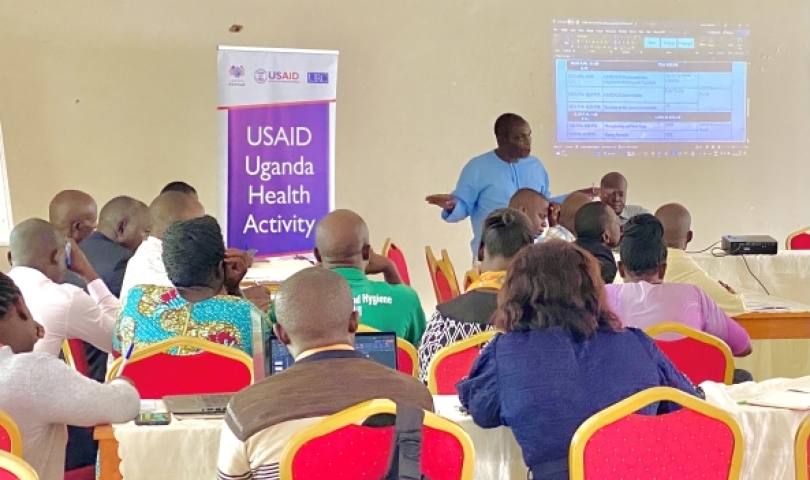
Health sector partners have expressed their willingness to work with the government to mitigate the effects of the aid suspension.
Meanwhile, the Ministry of Health is urging local and international partners to explore alternative funding mechanisms and strengthen the resilience of Uganda’s health system.
The aid freeze has also reignited debates about the sustainability of donor-dependent programs and the need for Uganda to increase domestic funding for health services.
As the government takes steps to address the immediate challenges, experts warn that prolonged disruptions in aid could undermine years of progress in fighting diseases and improving public health outcomes.