



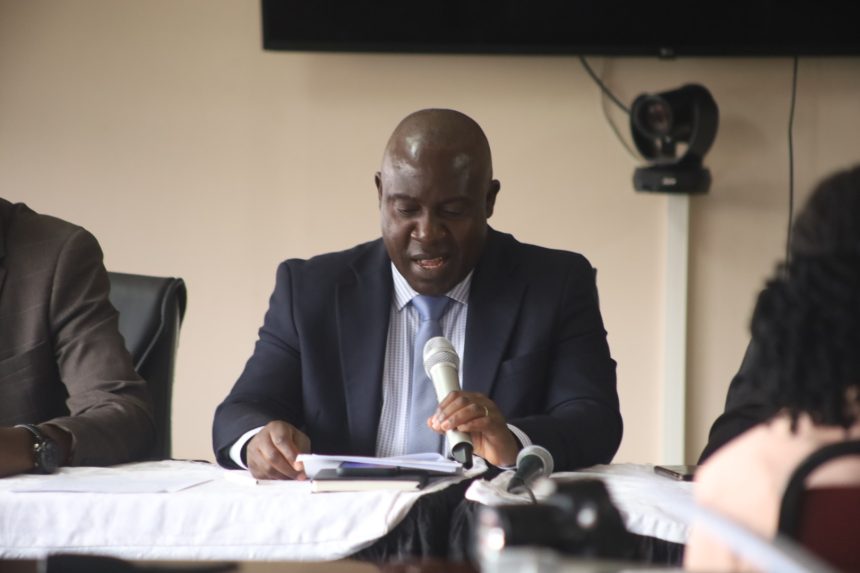
Civil society organizations are raising urgent concerns over funding gaps in Uganda’s newly approved 72.3 trillion shilling national budget for 2025/26, warning that these shortfalls could erode years of progress in healthcare delivery.
While the health sector allocation has increased to 5.8 trillion shillings—8% of the total budget, up from 4% last year—it still falls short of the 15% Abuja Declaration target. Advocates warn that the underfunding leaves essential health services vulnerable, especially amid rising health threats and declining donor support.
Speaking at a media engagement organized by AIDS Healthcare Foundation (AHF) – Uganda Cares, civil society groups outlined three critical reforms to improve health financing.
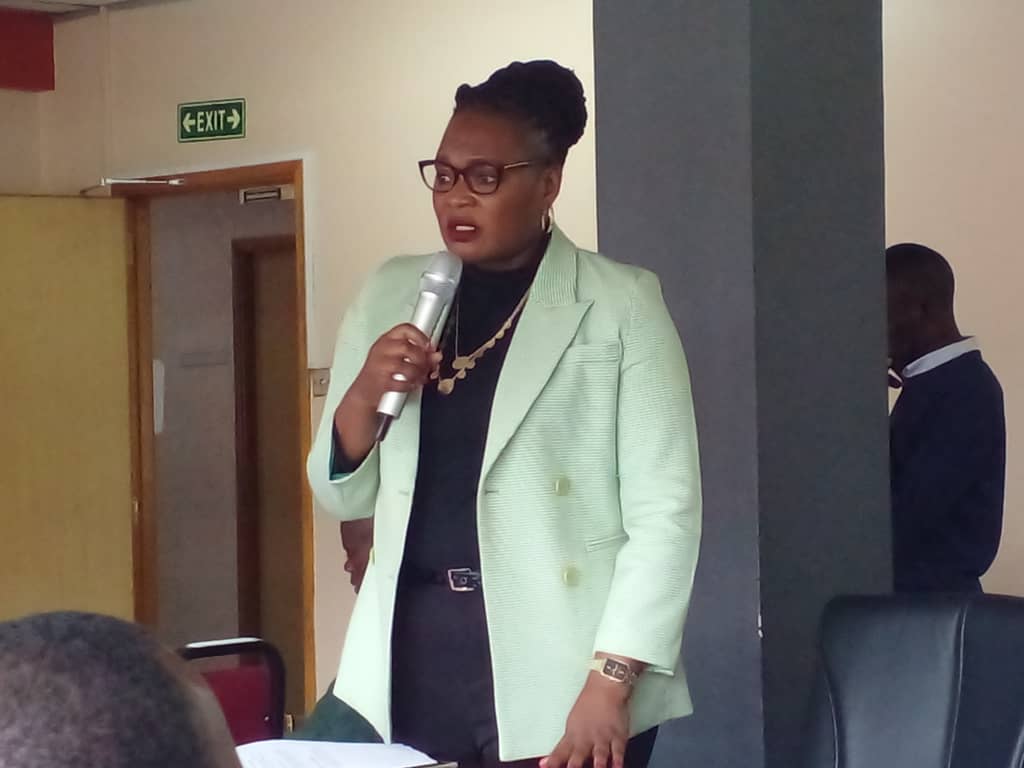
AHF-Uganda cares, moderates the dialogue
First, they urged immediate implementation of the long-delayed National Health Insurance Scheme to reduce reliance on out-of-pocket payments, which account for over 28% of health spending and often plunge families into poverty.
Second, they called for taxes from alcohol, tobacco, and similar products to be earmarked for health commodities and outreach programs, especially for HIV/AIDS and reproductive health.
Third, with 26.8 trillion shillings earmarked for debt repayment, activists warned that Uganda’s rising debt burden is crippling its ability to fund vital social services.
Henry Magala, AHF Uganda’s Country Director, emphasized the urgency: “While we appreciate the budget increments, Uganda must prioritize sustainable domestic financing to protect our health gains and achieve universal health coverage.”
Though domestic financing now covers 78% of health spending—reducing donor dependency—challenges remain. Bwiire Moses, Executive Director of Peer To Peer Uganda (PEERU), noted delays in fund disbursement disrupt healthcare delivery, particularly adolescent health services.
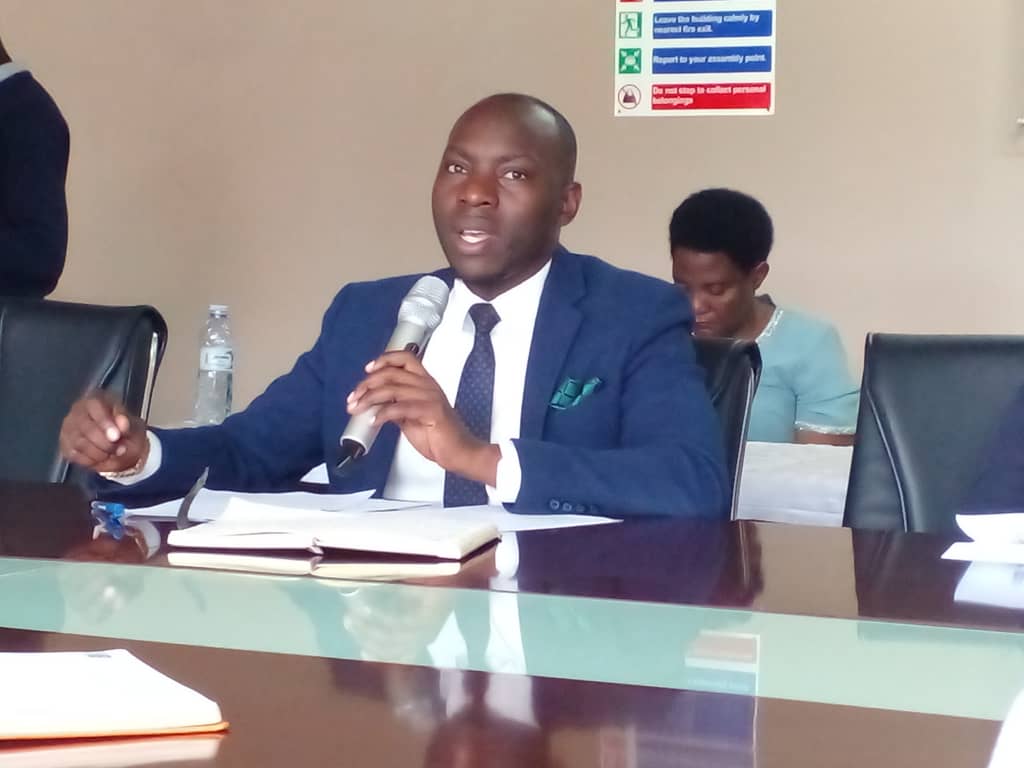
“Resources often arrive late in the financial year,” Bwiire explained. “This disrupts supply chains like National Medical Stores (NMS), which need timely funds to operate.”
He also expressed concern over the reliance on donor funding for health worker salaries, warning of morale and retention issues without a sustainable government plan.
Economist Pascal Muhangi from the Civil Society Budget Advocacy Group (CSBAG) highlighted the impact of underfunding the NMS. He revealed that drugs worth 316 billion shillings expired last financial year—nearly half the current medicine budget—due to poor distribution.
“We’ve seen large quantities of expiring medicines,” Muhangi said. “This indicates NMS may lack the funds to ensure efficient distribution.”
Major funding gaps persist: HIV programs suffered a 243 billion shilling cut following U.S. funding reductions; sexual reproductive health services face a 35.5 billion shortfall; tuberculosis programs require 60.2 billion, and health information systems need 36.9 billion for upgrades.
Raymond Kwesiga, Advocacy Officer at the National Forum of People Living with HIV (NAFOPHANU), criticized the lack of funding for TB and other deadly conditions like cryptococcal meningitis.
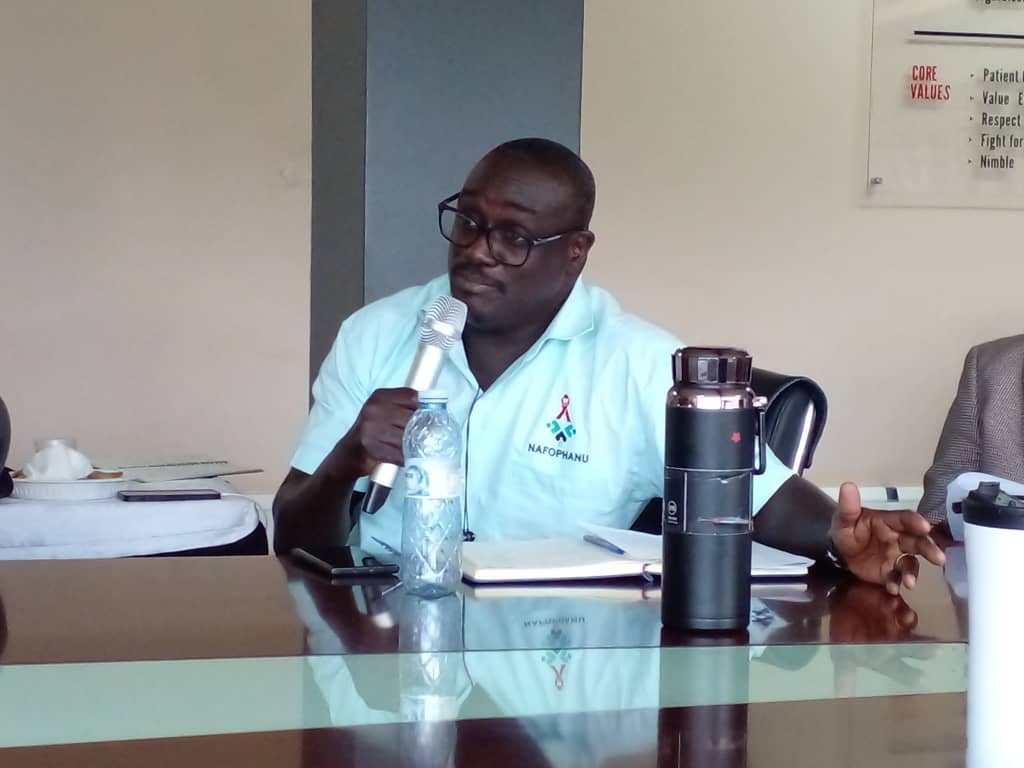
“TB remains a leading killer of people with HIV, yet it’s unfunded,” he warned. “Without government action, civil society groups will be forced to close vital programs.”
As global donor support wanes, stakeholders are proposing alternative financing options—such as oil revenue levies, debt-for-health swaps, and public-private partnerships. But these strategies require strong political will to implement effectively.